Football Jerseys and Nationalism: The Power of the Kit
Few objects in the world of sport carry as much emotional weight as a football jersey. More than just a piece of clothing, the kit worn by national teams during international tournaments has become a potent symbol of collective identity, pride, and sometimes even political expression. For millions, pulling on a national team jersey is an act of allegiance—a way to declare, “I belong.” But how did these colorful shirts become such powerful vehicles of nationalism? What roles do football jerseys play in shaping and expressing national identity? In this article, we’ll explore the intricate relationship between football jerseys and nationalism, examining how the kit wields influence far beyond the pitch.
The Birth of National Team Jerseys and Early Symbols
The history of football jerseys is entwined with the rise of international competition. The first official international football match, played in 1872 between England and Scotland, saw both teams simply wear their club kits. It wasn't until the early 20th century that national teams began to adopt standardized jerseys—each carefully chosen to represent their country’s colors, heritage, and ideals.
For example, Italy’s famous “Azzurri” blue jersey was adopted in 1911, inspired by the royal House of Savoy, even though blue is not a color on the Italian flag. Brazil switched to their now-iconic yellow and green kit in 1954 after a national newspaper competition following the heartbreak of the 1950 World Cup loss in white shirts. These decisions were not arbitrary; they were deliberate attempts to forge a visual symbol of the nation, one that would unite players and fans alike.
.png)
As international football grew, so did the emphasis on distinctive jerseys. They became badges of honor, representing not just the team, but the very essence of the nation itself.
Football Kits as National Emblems and Political Statements
Football jerseys are far more than functional sportswear—they are national emblems, sometimes carrying overt or subtle political messages. The crest on the chest, the colors, and even the design patterns often reference national history, culture, and values.
One of the most striking examples is the Croatian national team’s checkerboard shirt, first introduced in 1990. The red-and-white pattern echoes Croatia’s national coat of arms and, by extension, centuries of national identity. During the country’s struggle for independence in the 1990s, the jersey became a symbol of unity and resistance, worn by both players on the field and demonstrators in the streets.
In contrast, some kits have sparked controversy. The French team’s adoption of the “tricolore” blue, white, and red jersey has at times been a flashpoint in debates about immigration and integration, especially as the team’s roster has reflected the country’s multicultural population. In 2018, when France won the World Cup, the jersey became a symbol of a diverse and modern France.
Jerseys have also been used as subtle forms of protest. The Iranian women’s team, for instance, has faced restrictions on kit design due to national laws requiring head coverings, turning the jersey into a site of negotiation between tradition and modernity.
The Economic Impact: Sales, Exports, and Soft Power
The power of the football kit isn’t just symbolic—it’s also economic. National team jerseys are big business. According to Statista, the global sports apparel market was valued at $193 billion in 2021, with football jerseys making up a significant share, especially during World Cup years.
Countries like Germany, England, and Brazil routinely sell millions of jerseys before and during major tournaments. For example, Germany sold over 3 million national team jerseys during the 2014 World Cup, while Brazil’s sales in 2018 topped 1.7 million units. These sales transcend borders, turning national kits into global commodities and tools of “soft power”—the ability of a country to influence others through cultural means rather than economic or military force.
Jersey sales also reflect diaspora identity. When fans of Nigerian descent bought the 2018 “Naija” jersey in record numbers (with 3 million pre-orders, according to Nike), it showed how a kit can connect people to their ancestral homeland, even if they reside thousands of miles away.
Below is a comparative table highlighting jersey sales and their impact during recent major tournaments:
| Country | Tournament Year | Estimated Jerseys Sold | Economic Impact (USD) |
|---|---|---|---|
| Germany | 2014 World Cup | 3,000,000+ | $250 million |
| Brazil | 2018 World Cup | 1,700,000+ | $140 million |
| Nigeria | 2018 World Cup | 3,000,000 (pre-orders) | $225 million |
| England | 2022 World Cup | 2,000,000+ | $170 million |
Unifying a Nation: The Emotional Pull of the Kit
The imagery of a packed stadium, thousands clad in the same national colors, is deeply moving. Football jerseys have the unique power to unite diverse populations under a single banner, at least temporarily. During tournaments such as the FIFA World Cup or the UEFA European Championship, entire countries come to a halt as people of different classes, regions, and backgrounds don the same jersey.
This sense of unity is not just anecdotal. A 2018 survey by YouGov found that 62% of English respondents felt “proud” to see people wearing the England national team jersey during the World Cup. In countries with regional divisions or complex histories—such as Spain, with its Catalan and Basque identities—the national team kit can serve as a rare, if fleeting, bridge across divides.
The jersey’s unifying power is also visible in moments of crisis. After the 2011 earthquake and tsunami in Japan, the national team’s “Samurai Blue” jersey became a symbol of hope, with players and fans alike raising funds for disaster relief while wearing the kit.
Controversy, Change, and the Evolution of National Kits
Despite its unifying intent, the national team jersey can also be a site of debate. Kit changes, especially those that stray from tradition, often spark public outcry. When Spain ditched its iconic red-and-yellow stripes for a blue fade in 2018, fans questioned whether the new look truly reflected Spanish identity.
Sponsors and manufacturers also play a role in shaping the narrative. In the 1990s, the commercialization of football led to the proliferation of logos on jerseys, sometimes clashing with the desire for purity and tradition. This tension is ongoing: some purists argue that prominent brand logos dilute the national message, while others see them as necessary for funding the sport.
There are also debates about representation and inclusivity. As women’s football grows, the design and marketing of women’s national team jerseys are increasingly scrutinized. In 2019, the U.S. Women’s National Team’s white kit became iconic during their World Cup triumph, sparking discussions about gender equality and the visibility of women in sport.
Football Jerseys as Global Icons
National team jerseys have transcended sport, becoming global icons in fashion, art, and music. International celebrities such as Drake, Rihanna, and David Beckham have been photographed wearing vintage or current national kits, further cementing their place in popular culture.
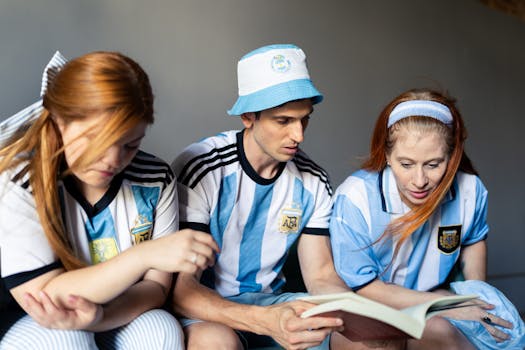
The distinctiveness of certain jerseys—Argentina’s sky-blue-and-white stripes, the Netherlands’ orange, Cameroon’s green with stylized lion—means they are instantly recognizable worldwide. Designers and artists often draw inspiration from football kits, using them as canvases for creativity and social commentary.
Collectors and museums have also recognized the cultural value of national team jerseys. The National Football Museum in Manchester, England, houses dozens of historic kits, treating them as artifacts of national and sporting history.
Conclusion: More Than a Shirt
The football jersey is much more than a piece of athletic apparel. It is a living symbol of national identity, a tool for political expression, a powerful economic force, and a bridge across social divides. Whether worn in celebration, protest, or remembrance, the kit tells a story—one that resonates on the pitch and far beyond.
As football continues to evolve and globalize, the national jersey remains steadfast in its power to inspire, unite, and sometimes challenge. For many, to wear the shirt is to wear the hopes, dreams, and history of a nation.