The intersection of sports and commerce has always been complex, and nowhere is this more visible than in the world of football, particularly in the design of team jerseys. Corporate sponsorship has become an integral part of football economics, providing clubs with essential revenue streams. However, this commercial necessity also comes with aesthetic and cultural implications for jersey designs, which can affect the relationship between clubs and their fans.
The Influence of Sponsorship on Jersey Design
Corporate sponsors aim for maximum visibility, which often dictates the size and placement of logos on jerseys. This visibility is crucial for brands that invest heavily in football clubs, seeking a return through global exposure. Consequently, football jerseys have evolved from mere athletic attire into billboards for corporate sponsors. This evolution raises questions about the balance between commercial benefits and aesthetic appeal.
.png)
Approaches to Integrating Sponsor Logos
Football clubs and apparel manufacturers employ various strategies to incorporate corporate logos into jersey designs. Some clubs manage to integrate these logos subtly, ensuring they do not overpower the club's traditional colors and emblems. Others, however, might prioritize sponsor requirements, sometimes at the cost of altering iconic jersey designs. This can lead to a mixed reception among fans, who often hold deep emotional connections to their team's traditional kits.
Benefits and Drawbacks of Sponsored Jerseys
The primary benefit of incorporating sponsor logos into jerseys is financial. These sponsorships can significantly bolster a club's finances, allowing for investments in talent and infrastructure that would be otherwise unaffordable. On the flip side, the commercialization of jersey designs can lead to fan discontent, particularly when sponsors' logos disrupt traditional designs or color schemes considered sacred by supporters.
Case Studies: Real Madrid and Manchester United
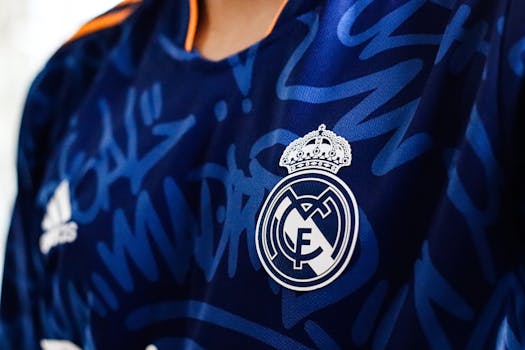
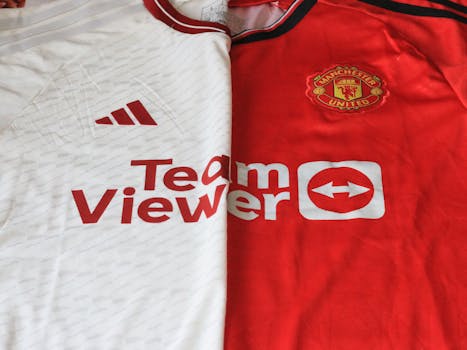
Consider the example of Real Madrid's jerseys featuring the Fly Emirates logo, which is prominently displayed across the chest. Similarly, Manchester United's jerseys have showcased the Chevrolet logo in recent years. Both instances demonstrate how large and sometimes incongruous logos can dominate a jersey's design. Fan reactions to these designs vary, with some appreciating the financial realities and others feeling a loss of club identity.
Moving Forward: Innovations in Sponsorship and Design
Looking ahead, football clubs could explore innovative solutions to balance commercial and aesthetic needs. One promising approach could involve digital technologies, such as augmented reality or digital overlays, allowing for dynamic sponsor logos that can be altered without changing the physical jersey. Such technologies could maintain the visibility of sponsors during broadcasts while keeping the physical jerseys untainted during live matches.
Conclusion
The relationship between corporate sponsorship and football jersey design is a delicate balancing act. While the commercial benefits of sponsorship are clear, preserving a club's identity and respecting its heritage in jersey designs is crucial for maintaining fan loyalty and club integrity. As technology evolves, there could be novel ways to satisfy both commercial interests and fan preferences, ensuring the sustainable growth of the sport in its modern commercial environment.