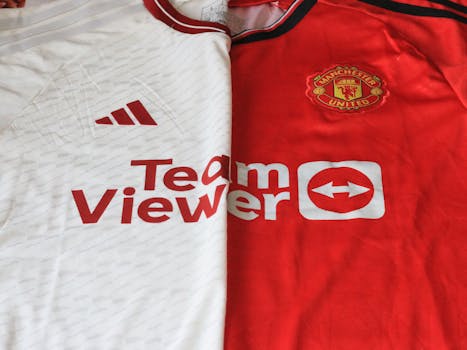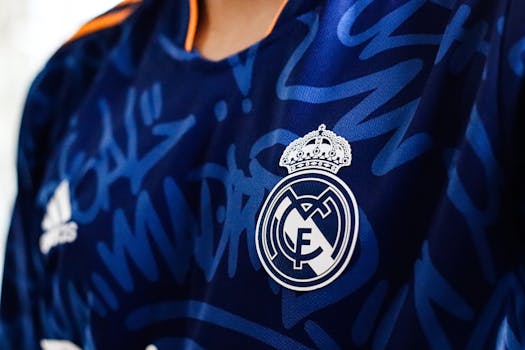
Football jerseys represent more than just sportswear; they are vital marketing tools and symbols of deep-rooted fan loyalty and corporate partnership. The strategic placement of a sponsor’s logo on these jerseys has drawn billions of dollars into the football industry, illustrating the immense power of this symbiotic relationship between sports teams and their sponsors.
Evolution of Football Jerseys
Historically, football jerseys were simple, designed for differentiation between teams. However, as football’s popularity exploded globally, these jerseys transformed into prime advertising real estate. The evolution from basic team colors and logos to incorporating sponsors’ branding has turned jerseys into powerful marketing platforms.
.png)
The Economics of Jersey Sponsorship
Top football clubs often secure sponsorship deals that run into tens of millions annually. For example, Manchester United’s previous agreement with Chevrolet, and similar high-value deals between Barcelona and Rakuten, and Real Madrid and Emirates, underscore the lucrative nature of jersey sponsorships. These deals are not just about logo placement; they represent strategic partnerships that leverage the global audience of football to boost brand visibility and engagement.
Why Companies Invest in Jersey Sponsorship
The rationale for these investments is clear: visibility and engagement. Football matches attract viewership in the millions, offering sponsors a captive audience not just during the game but also through media coverage and fan purchases of replica jerseys. The global nature of football means a sponsor’s logo can achieve visibility far beyond local or even national borders, extending to every corner of the world where football is watched.
Psychological Impact and Brand Association
The connection fans have with their team’s jersey is deeply emotional. When a sponsor’s logo is featured on a jersey, it becomes part of what fans cherish and identify with. This emotional association can significantly boost a sponsor’s brand loyalty and favorability. Essentially, fans who wear their team’s jersey are endorsing the sponsor’s brand, which can lead to increased customer affinity and loyalty to the sponsor's brand.
Design and Aesthetics
The challenge lies in integrating the sponsor’s logo into the jersey in a way that is noticeable yet harmonious with the team’s colors and heritage. The design must ensure that the logo is visible but not intrusive, maintaining the jersey’s aesthetic appeal and the team’s identity. Achieving this balance is crucial to satisfying all parties involved—the team, the sponsor, and most importantly, the fans.
Financial and Strategic Benefits for Teams
The influx of money from jersey sponsorships is critical for football clubs. It aids in covering costs associated with player signings, infrastructure, and day-to-day operations. Moreover, these funds can help clubs adhere to financial fair play regulations, maintaining competitive balance in the sport.
Extended Benefits for Sponsors
Beyond logo visibility, sponsors often gain additional perks such as hospitality rights, which include tickets and exclusive experiences at games, and merchandising rights, which allow them to sell co-branded products. These benefits enhance the value of their investment and deepen the business relationship with the football clubs.
Conclusion
The relationship between football jerseys and sponsorship is a compelling example of strategic sports marketing and brand integration. As football continues to be a beloved sport worldwide, the importance of jersey sponsorship in marketing strategies remains significant. For sponsors, it’s a chance to embed their brand into the fabric of popular culture; for teams, it’s an essential source of revenue and brand expansion. This dynamic, as it evolves, will likely become even more sophisticated, underscoring the critical role of sports marketing in shaping brand and fan experiences in football.