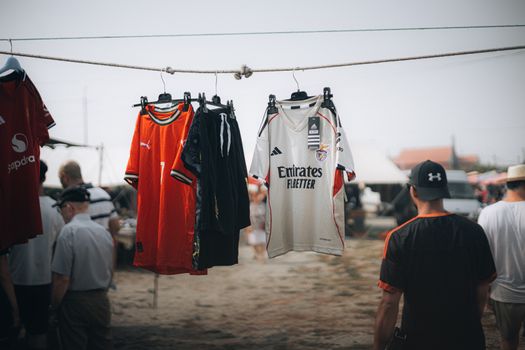
The global football jersey market, once the exclusive domain of authentic club and national team merchandise, has been dramatically transformed by the proliferation of fake football jerseys. Counterfeit kits—often indistinguishable to the untrained eye—now flood local markets, online stores, and even major sporting events. This rise of fake football jerseys is not just a matter of consumer choice; it’s a complex issue involving economic, ethical, and even safety concerns. In this article, we’ll explore what’s fueling this phenomenon, its wide-ranging impact, and why both fans and the football industry should be concerned.
The Scale of the Fake Football Jersey Market
Counterfeit football jerseys have grown from a niche market into a global industry. According to the Organisation for Economic Co-operation and Development (OECD), counterfeit sports merchandise—including football jerseys—represents over 3.3% of global trade, amounting to more than $500 billion annually. Of this, football jerseys make up a significant share, particularly during major tournaments like the FIFA World Cup or UEFA European Championship.
The rise of e-commerce platforms such as AliExpress, DHgate, and Taobao has made it easier for counterfeiters to reach a global audience. In 2022, customs authorities in the European Union seized over 2.5 million counterfeit sports goods, with football apparel among the top confiscated items. In the UK alone, an estimated 1 in 5 football shirts sold in 2023 was a fake, according to a study by the Intellectual Property Office.
.png)
What Drives the Demand for Fake Jerseys?
Several factors fuel the demand for counterfeit football shirts. Price is the most obvious: authentic jerseys from top clubs and national teams often retail for $90 to $150, while fakes can be found for as little as $15 to $40. For many fans, especially younger or lower-income supporters, the savings are hard to ignore.
But price isn’t the only driver. Social media and influencer culture have increased the pressure to own the latest kits, pushing some fans toward more affordable alternatives. The availability of retro or hard-to-find designs—sometimes not even produced by clubs anymore—also tempts collectors and casual fans alike.
Online shopping has made it easier than ever to access counterfeit products. With professional-looking websites and convincing product photos, many buyers may not even realize they’re purchasing a fake. According to a 2021 survey, 37% of fans who bought a counterfeit jersey online believed it was authentic.
The Impact on Clubs, Brands, and Players
The financial repercussions of fake football jerseys are significant and far-reaching. Clubs and brands lose billions in revenue annually to counterfeiting. For example, Adidas and Nike, who supply kits to the majority of top football clubs, report losses exceeding $1 billion each year due to counterfeit goods.
The loss of revenue directly affects clubs’ ability to invest in grassroots initiatives, stadium improvements, and even player acquisitions. Licensing deals between football clubs and kit manufacturers are often worth tens or hundreds of millions. When fake jerseys eat into these sales, clubs may renegotiate less lucrative contracts, impacting their financial health.
Players also feel the effects. Many top stars have personal endorsement deals tied to merchandise sales. When fake jerseys flood the market, players can lose out on royalties and bonuses linked to authentic kit sales.
Here’s a comparison of the impact of authentic versus fake football jersey sales:
| Aspect | Authentic Jerseys | Fake Jerseys |
|---|---|---|
| Retail Price Range | $90 - $150 | $15 - $40 |
| Revenue to Clubs/Brands | High (direct support) | None (lost revenue) |
| Player Royalties | Yes | No |
| Quality & Safety | Guaranteed | Variable/Unknown |
| Economic Impact | Supports jobs & development | Harms legal industry |
Quality, Safety, and Ethical Concerns
While fake football jerseys may look impressive at first glance, their quality often falls short. Authentic kits are made with advanced materials designed for performance, comfort, and durability. Counterfeit versions typically use cheaper fabrics, inferior stitching, and low-grade dyes. This can lead to issues like fading, shrinking, or even allergic reactions.
Safety is another overlooked concern. Authentic jerseys must comply with strict manufacturing standards, including tests for toxic substances. Counterfeit shirts, on the other hand, are not subject to such regulations. A study by the European Consumer Organisation found that 18% of fake sports apparel contained hazardous chemicals above legal limits.
Ethically, the fake jersey industry is rife with problems. Reports from the Anti-Counterfeiting Group indicate that counterfeit goods are often produced in sweatshops, where workers face poor conditions, low wages, and even child labor. By purchasing a fake jersey, consumers may be inadvertently supporting exploitative labor practices.
The Role of Law Enforcement and Technology
Governments, clubs, and brands have ramped up efforts to combat the spread of fake football jerseys. Customs agencies use advanced scanning and tracking systems to flag suspicious shipments. In 2023, Interpol coordinated a global crackdown, seizing over 2 million fake sports items in just three months.
Technology plays a growing role in the fight against counterfeiting. Many clubs and manufacturers have introduced smart tags, QR codes, and holographic labels as proof of authenticity. Some are experimenting with blockchain technology, creating digital certificates that can’t be forged.
Despite these efforts, the counterfeit trade remains resilient. The sheer volume of online sales makes enforcement difficult. In a single day, thousands of new listings for fake shirts can appear across dozens of online marketplaces.
The Broader Social and Economic Impact
The consequences of the fake football jersey market extend beyond lost revenue and quality concerns. Counterfeiting undermines the intellectual property rights that support innovation and creativity. When clubs and designers can’t protect their creations, there’s less incentive to invest in new designs and technologies.
On a societal level, the fake goods trade is linked to organized crime. Europol estimates that proceeds from counterfeiting fund other illicit activities, including drug trafficking and money laundering. The International Chamber of Commerce reports that for every $1 million in fake goods sold, 2.5 jobs are lost in the legitimate economy.
There’s also a cultural dimension. Football jerseys are more than just sportswear—they’re symbols of identity, club heritage, and fan unity. The rise of fakes can dilute the meaning of these symbols, undermining the sense of belonging that authentic kits foster.
Addressing the Issue: What Can Fans and Clubs Do?
Solving the fake football jersey crisis requires a multi-pronged approach. Clubs and brands must continue investing in anti-counterfeiting technology and work closely with law enforcement. Consumer education is crucial: fans need to understand the true cost of buying fakes—not just in terms of quality, but in their impact on the sport they love.
Fans should buy from official club stores, licensed retailers, or trusted online platforms. Clubs can offer more affordable official merchandise, including budget-friendly "stadium" versions of kits, to make authentic products more accessible.
Raising awareness about the ethical issues behind counterfeit goods can also make a difference. When fans understand the hidden costs—exploitation, lost jobs, compromised safety—they may think twice before opting for a cheap knockoff.
The Lasting Effects of the Fake Football Jersey Phenomenon
The rise of fake football jerseys is more than a passing trend—it’s a challenge that strikes at the heart of the sport’s culture and economy. While counterfeit kits may seem like a harmless way to support your team, their hidden costs ripple through clubs, players, and communities worldwide.
By making informed choices and supporting authentic merchandise, fans can help preserve the integrity of football’s most iconic symbols. In the end, every jersey tells a story—and for the beautiful game to thrive, that story should be genuine.