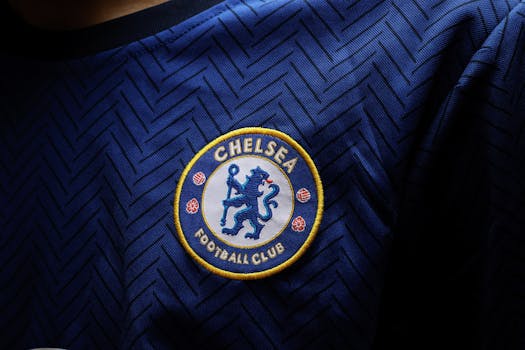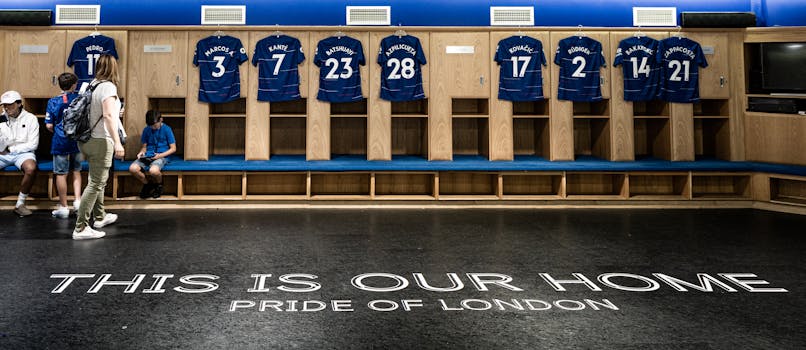
Football jerseys are much more than mere athletic attire; they embody the spirit and identity of both the teams and their supporters. This deep connection between fans, players, and their jerseys is evident in the nuanced differences and design choices between home and away kits. Let's delve deeper into how these jerseys reflect team allegiance and adapt to various needs, enhancing both player performance and fan loyalty.
The Origin of Home and Away Jerseys
The primary purpose of having distinct home and away football jerseys is practical: to avoid color clashes during matches that could lead to confusion on the pitch. Over time, this practicality has evolved into a rich tradition of design and symbolism. Home jerseys typically showcase a team’s primary colors, which are often steeped in the club’s history and regional ties. Away jerseys, meanwhile, offer a canvas for creativity, allowing teams to experiment with alternate colors and designs to captivate a broader fan base.
.png)
Reflecting Heritage and Innovation
When designing a football jersey, the creators meticulously incorporate elements of a club’s legacy. This could include homage to historic milestones, previous jersey designs, or local cultural elements, which all contribute to the jersey's identity. For instance, the iconic red and blue stripes of FC Barcelona not only represent the club’s colors but also reflect the Catalan flag, tying the team’s identity to its regional heritage.
Simultaneously, technological advancements have revolutionized jersey designs. Modern jerseys utilize advanced fabrics that are lightweight and capable of moisture management, ensuring players perform at their best by staying cooler and dryer. Aesthetically, these jerseys have also seen innovations such as sublimated graphics and eco-friendly dyes, making them as stylish as they are functional.
Strategic Branding and Marketing
Jerseys are a significant revenue source for football clubs, with their release often accompanied by extensive marketing campaigns to boost global sales. The frequent introduction of new kits, including third and special edition jerseys, keeps the merchandise offerings fresh and encourages continual fan engagement and purchases.
Cultural Impact and Psychological Influence
Beyond the field, jerseys are worn as symbols of loyalty and fashion statements, transcending the sport itself. This cultural impact is a testament to the design’s importance, which must balance performance features with style to appeal to wide-ranging audiences.
Moreover, the choice of jersey color can also play a psychological role during matches. Some teams choose colors believed to influence player performance or intimidate opponents. The psychological impact of colors in sports is a fascinating aspect of how jerseys can influence perceptions and emotions, both on and off the pitch.
Commitment to Sustainability
The production of football jerseys is also seeing a shift towards sustainability. More clubs and manufacturers are embracing eco-friendly practices, such as using recycled materials and reducing the carbon footprint of their production processes. This not only helps in conserving the environment but also aligns with the growing consumer demand for sustainable products.
Conclusion
Football jerseys, whether home or away, are more than just team uniforms. They are a fusion of tradition, innovation, and strategic marketing, each design telling its own unique story of identity, pride, and cultural significance. As football continues to captivate global audiences, the jerseys not only serve as a key element of the sport’s aesthetic but also as a vital link between the club and its community of supporters worldwide. The evolution of these jerseys will undoubtedly continue to intrigue and inspire, reflecting the dynamic nature of the beautiful game.