Introduction
Football jerseys are far more than mere athletic attire. They encapsulate the essence of a team's spirit, heritage, and the unyielding loyalty of its followers. The choice of colors for home and away jerseys, in particular, plays a pivotal role not only in team identity but also in influencing psychological and emotional dynamics on and off the pitch. This article explores the psychological impact of these colors, offering insights into how they affect both players' performances and fans' experiences.
Understanding Home Jersey Colors
.png)
Home jerseys are typically imbued with the team's primary colors, which often reflect historical significance and are immediately recognizable by supporters. These colors are not chosen at random; they are deeply embedded in the team's identity and are a source of pride and tradition. The psychological impact of wearing such colors in a home game setting is profound. Players might feel more connected, supported, and powerful, leading to enhanced confidence and performance.
For instance, the fiery red of Liverpool's home jersey is not just visually striking; it symbolizes passion and intensity, possibly elevating players' aggression and combativeness on the field. This can create a psychological advantage, making the home team appear more formidable to the opposition.
The Strategy Behind Away Jersey Colors
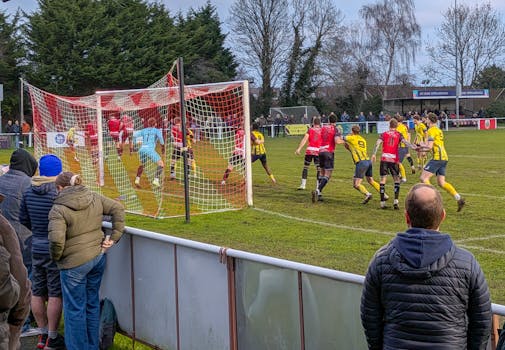
Contrasting with home colors, away jerseys often adopt secondary or complementary colors from the team palette. The choice of away colors is strategic, designed to distinguish the team from their opponents on foreign grounds while also considering psychological resilience and visibility.
Lighter or neutral colors, which are common choices for away jerseys, can help in reducing heat absorption during matches and may also have a calming effect on players. This can be crucial when facing the hostility of an away-game crowd, helping players maintain composure and focus amidst external pressures.
Psychological Impact on Performance
The influence of jersey colors on performance isn't merely anecdotal; it has been backed by research. Colors can evoke different psychological responses; for example, red is often associated with dominance and aggression, which might explain why teams like Manchester United might perform better when wearing their home kit. On the other hand, calming colors like blue, often seen in away kits, can help in enhancing concentration and tactical execution under pressure.
Fan Engagement and Perception
The psychological effect of jersey colors extends beyond players to the fans themselves. Distinct and vibrant jersey colors not only improve visibility on the field but also enhance fan engagement. Wearing a team's jersey can foster a profound sense of unity and identity among fans, creating a collective spirit that can be palpable during matches.
However, altering a team’s traditional colors can lead to dissonance and dissatisfaction among supporters, as was evident with Cardiff City’s color change controversy. This underscores the emotional and psychological attachment fans have with their team's colors, which, in many ways, symbolizes their loyalty and support.
Conclusion
The psychology of football jersey colors is a nuanced area that encapsulates various aspects of sports sociology, including identity, emotion, and psychological warfare. While the primary purpose of these jerseys is to identify different teams, the choice of colors plays a strategic role in influencing the mental states of both players and fans. As the beautiful game continues to evolve, the significance of jersey colors remains a compelling topic, rich with cultural, emotional, and psychological layers.