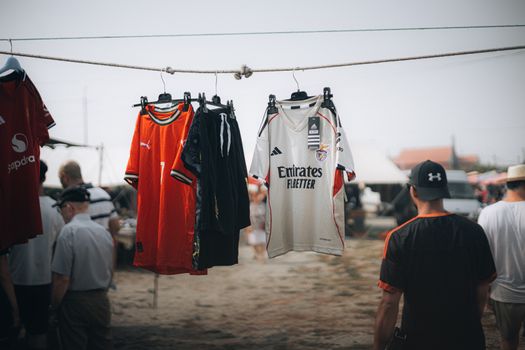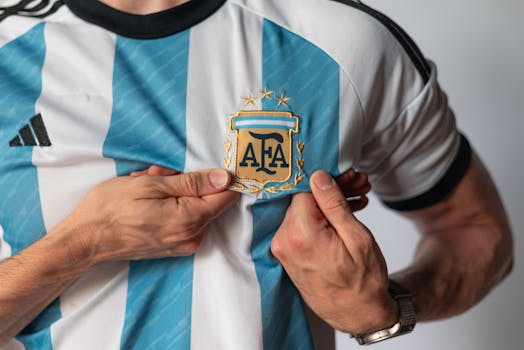
Football jerseys are more than just athletic apparel or collector’s items—they are powerful symbols of belonging, pride, and shared identity. Across continents and generations, fans don their favorite team's colors to signal allegiance, foster camaraderie, and become part of a collective story. But what is it about a football jersey that makes it such a potent marker of identity and affiliation? In this article, we’ll dive deep into the psychological, cultural, and social impact of football jerseys on fans, illustrating how these garments transcend fabric and thread to shape individual and communal identities around the world.
The Psychological Power of Wearing a Football Jersey
At its core, wearing a football jersey is an act of identification. Psychologists have long studied how symbols—like team colors and logos—help people define themselves and their place within a group. According to a 2017 study published in the Journal of Sport Management, over 70% of surveyed fans reported feeling a stronger bond with their team when wearing official apparel, especially jerseys. The act of putting on a jersey often triggers a sense of belonging, pride, and even responsibility to represent the team.
This phenomenon is rooted in the concept of "social identity theory," which posits that people derive part of their self-concept from perceived membership in social groups. A jersey, emblazoned with a team’s crest and colors, acts as a tangible link to this group. It helps fans move from being mere spectators to active participants, fostering emotional investment and loyalty. The ritual of wearing a jersey before a match can elevate anticipation and excitement, amplifying the emotional experience of fandom.
.png)
Football Jerseys as Symbols of Community and Unity
One of the most remarkable impacts of football jerseys is their ability to unite diverse groups of people. On match days, stadiums and city streets transform into seas of coordinated colors, with strangers greeting each other as friends thanks to a shared symbol. In fact, research from UEFA in 2022 revealed that 84% of fans believe wearing their team’s jersey connects them to a wider community, even when they are far from home.
This sense of unity is particularly pronounced during major tournaments or derby matches, when entire regions rally behind their teams. Jerseys become badges of honor and conversation starters, bridging gaps between generations, backgrounds, and even nationalities. Stories abound of fans wearing their team’s jersey while traveling abroad and being welcomed by fellow supporters—a testament to the global language of football.
The Role of Jerseys in Expressing Personal and Collective Identity
Personal expression is a key element of why fans cherish their football jerseys. Some fans carefully select the jersey of a favorite player, while others opt for classic retro designs that evoke nostalgia. The choice of name and number, the decision to wear a home or away kit, and even the era of the jersey all send subtle messages about a fan’s history with the team and their unique connection to it.
Moreover, football jerseys serve as markers of collective identity. For instance, Liverpool FC’s iconic red jersey is synonymous with the club’s ethos and history, while the black and yellow of Borussia Dortmund instantly conjure images of the passionate “Yellow Wall.” These visual cues help fans locate each other in crowds, both in stadiums and in everyday life, reinforcing a sense of belonging.
Jerseys and the Ritual of Match Day: Building Traditions
Beyond day-to-day identity, football jerseys play a central role in the rituals that define match day experiences. For many supporters, wearing a jersey is as essential as singing the anthem or joining in pre-match chants. According to a 2021 survey by the Football Supporters’ Association, 68% of fans reported having specific routines involving their jerseys, such as wearing “lucky” kits or donning them in a particular order. These rituals can create a sense of control and connection, making the outcome of the match feel more personal.
Families often pass down jerseys from one generation to the next, embedding them with emotional value and stories. A child wearing their parent’s vintage jersey inherits not just a piece of clothing but a legacy of shared experiences and memories. This tradition helps reinforce loyalty and sustain support for the team across generations.
Comparing the Impact of Jerseys Across Fan Groups
While the impact of football jerseys is universal, the nature and intensity of that impact can vary based on demographics, location, and level of involvement. The table below compares how different fan groups engage with jerseys and what they symbolize in each context.
| Fan Group | Jersey Significance | Key Behaviors | Notable Statistics |
|---|---|---|---|
| Local Supporters | Symbol of community pride and belonging | Wear jerseys to games, public events, local gatherings | 89% report jersey as key to match day identity (FSA, 2021) |
| International Fans | Connection to homeland, culture, or favorite team abroad | Wear jerseys during international broadcasts, travel | 76% say jerseys reduce “fan isolation” (UEFA, 2022) |
| Children/Youth | Emulation of idols, forming early team loyalty | Choose favorite player’s jersey, wear to school or play | Over 60% of youth fans own at least one jersey (FIFA, 2020) |
| Collectors | Historical significance, investment, nostalgia | Gather rare, vintage, or signed jerseys | Global jersey market value exceeds $1.5 billion (Statista, 2023) |
Jerseys as Tools for Social Change and Inclusion
In recent years, football jerseys have become platforms for messages beyond sport—raising awareness of social issues, promoting inclusivity, and supporting charitable causes. Clubs increasingly release special edition jerseys to mark campaigns such as Pride Month, anti-racism initiatives, or environmental awareness. For example, in 2021, Manchester United’s “No Room for Racism” jersey campaign spiked sales by 23% while donating proceeds to community programs.
These initiatives help reshape what it means to be a fan, making affiliation with a team about more than just results on the pitch. Wearing such a jersey signals not only support for the team but also for shared values, amplifying the potential of football as a force for positive change. For marginalized fans, inclusive jersey designs and messaging can make the difference between feeling welcome and feeling excluded.
The Commercial and Emotional Value of Football Jerseys
The economic footprint of football jerseys is immense, reflecting their emotional significance. According to Statista, over 15 million football jerseys were sold worldwide in 2023, with leading clubs such as Real Madrid, Bayern Munich, and Manchester United selling between 1 and 2 million jerseys each year. The global replica jersey market is projected to reach $2.2 billion by 2025.
But beyond commercial value lies emotional attachment. Many fans describe their jerseys as cherished possessions, imbued with memories of dramatic victories, heartbreaks, and unforgettable moments. Surveys show that 62% of fans keep old jerseys as keepsakes, even when they are no longer wearable. This emotional bond highlights how a simple garment can hold the weight of history, identity, and belonging.
Final Thoughts: The Enduring Impact of Football Jerseys on Fan Identity
Football jerseys are far more than functional sportswear or merchandise. They are powerful tools for expressing personal and collective identity, building community, and even advancing social causes. Whether worn in the stands, at home, or on the streets, a football jersey unites fans in a unique and enduring way—serving as a badge of honor, a symbol of tradition, and a canvas for new stories.
As football continues to evolve, so too will the meanings and roles of the jersey. But one thing remains clear: for millions of fans worldwide, the simple act of pulling on a team’s colors is the ultimate expression of loyalty, pride, and belonging.