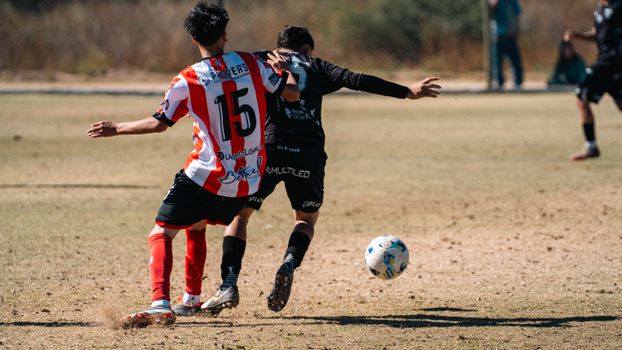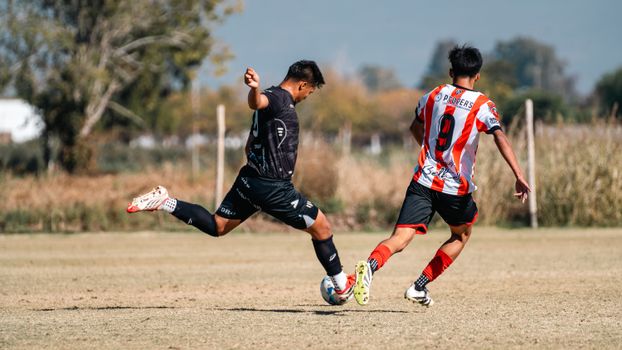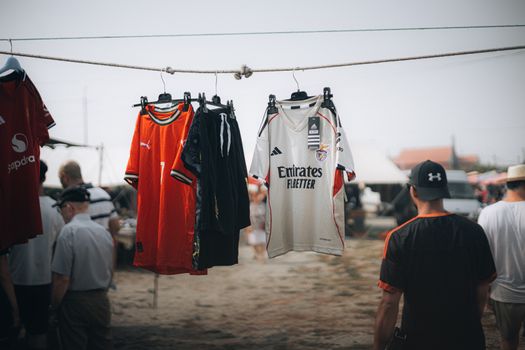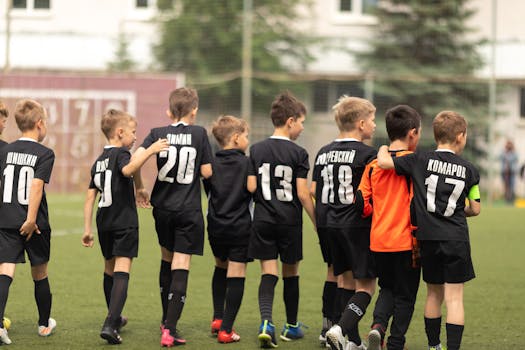
For budding footballers, wearing the right jersey is more than just about looking the part—it's about confidence, comfort, and performance on the pitch. With a dazzling array of kids' football jerseys available, choosing the right one may seem overwhelming for parents and young athletes alike. In this comprehensive guide, we’ll explore what makes the best jerseys for kids, how to select the ideal option for your young footballer, and what to look for beyond just team colors and favorite players. Whether your child is just joining their first team or already dreaming of pro stardom, this article will help you make an informed choice—so your little star shines both on and off the field.
Why Choosing the Right Football Jersey Matters for Kids
The importance of a football jersey goes well beyond aesthetics. For young players, a well-chosen jersey can boost self-esteem, foster team spirit, and have a real impact on game performance. According to a 2022 survey by the Youth Sports Trust, 78% of children reported feeling more confident and motivated when they wore a jersey that fit well and represented their favorite team or player.
But there’s more: modern kids' jerseys are designed with advanced materials that regulate temperature, wick away sweat, and allow for freedom of movement. These technical benefits are crucial for children, whose bodies are still growing and developing. An ill-fitting or uncomfortable jersey can lead to distractions, overheating, or even chafing during practice and matches.
.png)
Parents also have practical concerns—durability, cost, and ease of care are all factors that come into play. Children are often rough on their clothes, and a jersey that's stylish but fragile may not survive a full season.
Key Features to Look for in Kids’ Football Jerseys
When selecting a football jersey for a young player, several features should be non-negotiable. Here are the top factors to consider:
1. $1 Look for jerseys made from moisture-wicking fabrics like polyester blends. These materials help keep young athletes cool and dry, especially during intense games or hot weather. Nike’s Dri-FIT and Adidas’ Climalite are examples of popular technologies used in children’s sports apparel. 2. $1 Children grow quickly, so it’s wise to select a jersey that offers a bit of room without being overly baggy. Most brands provide size charts specific to age and height—always consult these before purchasing. According to a 2023 report by Statista, improper sizing is the number one reason for sportswear returns, accounting for 34% of all returns in youth apparel. 3. $1 Reinforced stitching, quality fabric, and fade-resistant colors ensure the jersey stands up to frequent washes and rough play. Jerseys with double-stitched seams typically last longer. 4. $1 Many kids love having their own name or favorite number on the back of their jersey. Several brands and retailers offer affordable customization, which can add a special touch and increase a child’s sense of belonging to their team. 5. $1 For younger children, avoid jerseys with drawstrings or small detachable parts that could pose a choking hazard. 6. $1 Sustainability is becoming increasingly important. Brands like Hummel and Adidas now offer youth jerseys made from recycled polyester or organic cotton, appealing to eco-conscious families.Popular Types of Kids’ Football Jerseys
Football jerseys for children generally fall into three categories: official replica kits, training tops, and generic teamwear. Here’s a quick breakdown of their differences:
| Type | Main Features | Price Range | Best for |
|---|---|---|---|
| Official Replica Kits | Authentic club or national team designs, player names/numbers, sponsor logos | $50-$100 | Fans, match days, team photo days |
| Training Tops | Lighter, more breathable, plain or minimal branding, focus on performance | $20-$50 | Practices, training sessions |
| Generic Teamwear | Customizable, solid colors, no club branding, often bulk-ordered | $15-$40 | School teams, local leagues, budget-conscious buyers |
For everyday play, training tops or generic teamwear often suffice. For major competitions or when a child wants to show allegiance to a favorite club, official replica kits are a popular (if pricier) option.
How to Ensure the Perfect Fit for Growing Kids
Children's bodies change rapidly, so finding a jersey that fits well—without being too tight or baggy—is a common parental challenge. Here are some expert tips to help you get it right:
- $1 Brands differ in their sizing. For example, an Adidas size M for kids may fit ages 8-10, while Nike's could be for ages 10-12. - $1 Use a fabric tape measure to check your child’s chest, waist, and height. Compare these numbers to the manufacturer’s chart. - $1 If your child is between sizes, opt for the larger one. A slightly roomy jersey allows for layering in cold weather and can be worn longer as your child grows. - $1 Have your child try on the jersey and move around—raise their arms, twist, and run in place. There should be no pulling or restriction. - $1 The sleeves should reach mid-bicep for short sleeves, and the hem should fall just past the waist but not cover the shorts entirely. Jerseys that are too long can cause overheating and get in the way during play.A 2021 market survey found that 62% of parents preferred to buy jerseys one size larger to ensure at least a full season’s use, particularly for children aged 7-12.
Style, Team Loyalty, and Personal Expression
For many kids, the jersey is a badge of identity—it’s not just about the fit or function, but about showing team spirit and personal style. Here’s how to balance these priorities:
- $1 Wearing a Lionel Messi or Alex Morgan jersey can be incredibly motivating for young fans. In fact, sales data from the 2022 FIFA World Cup showed a 45% spike in youth jerseys bearing star-player names. - $1 For kids playing on local teams, you may need to adhere to specific color schemes. Generic teamwear in club colors is often more affordable and can be customized with the child’s name or number. - $1 Custom name and number printing has become more accessible. According to Sports Direct, personalized jersey orders for kids increased by 38% from 2021 to 2023. - $1 Some children love to wear club jerseys casually with jeans or shorts, blending sportswear with everyday fashion. Consider durability and washability if the jersey will see daily use.Encouraging kids to be involved in the selection process—whether picking a favorite color, team, or name—can make them more invested in their sport.
Care and Maintenance: Making Jerseys Last Longer
A quality kids’ football jersey is an investment, so proper care helps extend its life:
- $1 Always check the care label. Most jerseys should be washed in cold water and air-dried to preserve color and prevent shrinking. Avoid fabric softeners, which can damage moisture-wicking properties. - $1 Grass and mud stains are inevitable. Pre-treat stains with a mild detergent before washing. For tough stains, a paste of baking soda and water can be effective. - $1 Hang jerseys rather than folding to prevent creases and print cracking. Keep away from direct sunlight to avoid fading. - $1 If a seam comes loose, a simple needle-and-thread fix can add months of wear.According to a 2020 survey by the International Textile Manufacturers Federation, proper care and storage can extend the life of a sports jersey by up to 40%.
Final Thoughts: Setting Young Footballers Up for Success
Choosing the best jersey for your young footballer is about much more than fashionable colors or famous names. The right combination of comfort, fit, durability, and style ensures your child feels confident and ready to play their best game. With today’s advanced materials, customization options, and a growing focus on sustainability, there’s never been a better time to find a jersey that matches your child’s needs and passions. Involve your young athlete in the decision, prioritize practical features, and you’ll set them—and their jersey—up for a winning season.