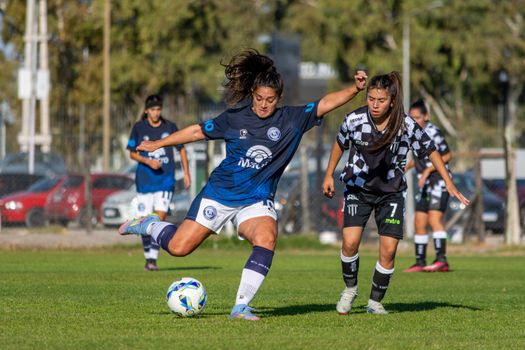
Women’s soccer has taken the global stage by storm over the past decade. Record-breaking television audiences, sold-out stadiums, and superstar athletes have become the new normal. But alongside this explosive growth, another transformation is quietly taking place: the evolution of women’s soccer jerseys. No longer just functional uniforms, jerseys in women’s soccer are now at the intersection of design, identity, and global popularity. From bold designs that challenge tradition to unprecedented sales figures, let’s explore how these jerseys are changing—and what that means for fans, brands, and the future of the sport.
The Rise of Women’s Soccer and Its Influence on Jersey Design
The surge in popularity of women’s soccer is undeniable. The 2023 FIFA Women’s World Cup, for example, drew a total attendance of over 1.98 million spectators, with the final alone watched by more than 75 million people worldwide. As the sport has grown, so too has the demand for women’s soccer apparel—particularly jerseys.
Historically, women’s soccer teams often wore adapted versions of men’s kits, with minor adjustments for fit. This approach overlooked the unique needs and preferences of female athletes and fans. In recent years, however, there has been a conscious shift. Major brands now invest in designing jerseys specifically for women, taking into account not just anatomical differences, but also cultural, social, and aesthetic factors.
.png)
Nike, Adidas, and Puma have all released women’s-specific kits for national teams and top clubs. These jerseys feature tailored fits, lighter fabrics, and design elements that reflect the identity and heritage of women’s teams. The USWNT’s 2019 World Cup kit, for example, incorporated details celebrating the team’s history and achievements, while England’s 2023 kit featured new silhouettes and a color palette inspired by female empowerment.
Breaking Stereotypes: Bold Designs and Cultural Statements
Women’s soccer jerseys are not just about comfort and performance—they’re increasingly platforms for self-expression and cultural statements. In the past, female athletes often had to settle for subdued, “safe” color choices or designs that mimicked men’s kits. This is rapidly changing.
The 2023 Women’s World Cup saw teams like Nigeria debuting vibrant, patterned kits that paid homage to traditional Nigerian textiles. Australia’s Matildas wore a swirling, abstract kit reflecting the country’s landscape and diversity. These bold designs have resonated with fans, sending a message that women’s soccer is not an afterthought but a movement with its own voice.
Design choices now also reflect broader cultural conversations. The Norwegian team’s kit featured a subtle rainbow detail, signaling support for LGBTQ+ rights. England’s away kit for Euro 2022 used a “crimson red” inspired by historic suffragette banners. Through these design choices, women’s soccer jerseys have become canvases for social progress, inclusion, and pride.
Jersey Sales: Shattering Records and Shifting Trends
The transformation in design is mirrored by a dramatic rise in jersey sales. According to Nike, jersey sales for the 2019 Women’s World Cup increased by 200% compared to the 2015 tournament. The USWNT home jersey became the top-selling soccer jersey—men’s or women’s—on Nike.com the day after the 2019 final.
This growth is not limited to US teams. England’s Lionesses saw a 550% increase in jersey sales in the weeks following their Euro 2022 victory. In Australia, during the 2023 World Cup, the Matildas’ home kit sold out nationally within days.
What’s driving this surge? It’s a combination of factors: increased visibility of women’s matches, star athletes like Alex Morgan and Sam Kerr, and kits designed specifically for female fans. Retailers and brands have responded by offering a wider range of women’s sizes and fits, as well as youth and unisex options, making jerseys more accessible to a diverse audience.
Here’s a comparative overview of recent women’s soccer jersey sales:
| Team | Tournament Year | Sales Increase (%) | Notable Fact |
|---|---|---|---|
| USWNT | 2019 | +200% | Top-selling jersey on Nike.com post-final |
| England Lionesses | 2022 | +550% | Record sales post-Euro 2022 win |
| Australia Matildas | 2023 | Sold Out | First-ever national sellout of women’s kit |
Technology and Sustainability in Modern Jersey Production
Beyond aesthetics, innovation is also changing how women’s soccer jerseys are made. Today’s kits incorporate advanced materials for breathability, moisture-wicking, and durability. Nike’s Dri-FIT ADV and Adidas’ HEAT.RDY technologies, for instance, are now standard in elite women’s kits. These fabrics help regulate temperature and provide unmatched comfort during high-intensity play.
Sustainability has become a central focus as well. The 2023 Women’s World Cup saw all Nike kits made from at least 75% recycled polyester, with Adidas and Puma following suit. This shift reflects mounting consumer demand for eco-friendly products. According to Statista, 47% of sports fans say they are more likely to buy apparel from brands committed to sustainability.
Sponsorship placement and printing techniques have also evolved, ensuring that logos and numbers do not compromise fit or comfort for female athletes. In short, every detail—from the thread to the badge—is being reimagined with athletes and fans in mind.
From the Pitch to the Streets: Fashion and Fan Identity
Perhaps the most striking sign of change is the way women’s soccer jerseys are now embraced beyond the pitch. Once seen purely as sportswear, these jerseys are increasingly worn as street fashion, symbols of identity, and even political statements.
Celebrity fans and athletes regularly showcase women’s soccer kits on social media, further boosting their desirability. The Lionesses’ kits were spotted at music festivals and in city centers across the UK in 2022. In the US, Megan Rapinoe’s jersey became a best-seller not just among soccer fans but among activists and young women alike.
This crossover into mainstream culture is also reflected in collaborations between teams, designers, and artists. In 2024, Paris Saint-Germain Féminine partnered with a Paris-based fashion house to release a limited-edition jersey line that sold out in less than 24 hours.
The appeal is clear: these jerseys offer a way for fans to express their support for women’s sports, their personal style, and their values—all in one garment.
Challenges and Opportunities Ahead for Women’s Soccer Jerseys
Despite the remarkable progress, challenges remain. One key issue is availability: during major tournaments, popular women’s jerseys often sell out or are not stocked in sufficient sizes, pointing to a gap in supply and demand forecasting. Some fans still report difficulty finding authentic women’s cuts or youth sizes for girls.
There’s also a continuing need for greater representation in design and marketing. Historically, global brands have focused their advertising budgets and creative energy on men’s teams. While this is changing, making women’s soccer jerseys as accessible and visible as men’s remains a work in progress.
However, the opportunities are immense. As more clubs and federations invest in women’s soccer, expect to see even more innovative designs, collaborations, and technologies. The rapid growth in jersey sales shows untapped markets and fanbases—especially among young women and girls who now see role models on the world’s biggest stages.
Final Thoughts: The Future of Women’s Soccer Jerseys
The evolution of women’s soccer jerseys is more than a fashion story—it’s a reflection of the sport’s growing influence and the rising recognition of female athletes and fans. From striking designs that celebrate cultural heritage and social progress, to cutting-edge materials and eco-friendly production, these jerseys symbolize a new era.
The numbers speak for themselves: record-breaking sales, global sellouts, and a surge in visibility both on and off the field. Yet, this is just the beginning. As women’s soccer continues to inspire millions, the humble jersey has become a powerful icon—of athleticism, identity, and change.