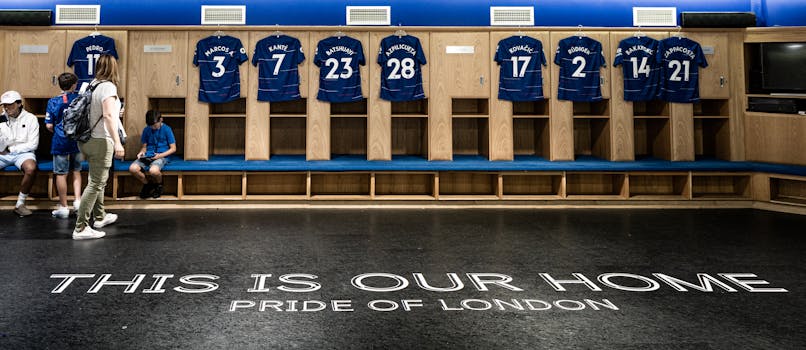
The intersection of fashion and football jerseys represents a fascinating evolution in how we perceive and wear sports apparel. Initially functional, these jerseys have transformed into symbols of fashion, culture, and identity, appealing to a diverse audience that extends far beyond the traditional sports fan base.
From Function to Fashion
Originally, the primary purpose of football jerseys was to identify players during a game. However, over the decades, the design of these jerseys has evolved significantly. Modern football jerseys incorporate advanced materials that enhance athletic performance by managing moisture and regulating temperature. Simultaneously, the aesthetics of these jerseys have become a key focus, with designs that mirror contemporary fashion trends, incorporating vibrant colors, bold patterns, and intricate detailing.
.png)
High Fashion Meets the Pitch
The collaboration between major sports brands and esteemed fashion designers has been pivotal in elevating the style quotient of football jerseys. For instance, Adidas' collaborations with Stella McCartney and Nike's work with Off-White have produced pieces that are a blend of style, performance, and exclusivity, making them coveted items among both sports enthusiasts and fashion aficionados. These partnerships have led to limited-edition collections that often sell out quickly, highlighting the strong crossover appeal between sports and fashion.
A Lifestyle Statement
Football jerseys are increasingly seen as a lifestyle choice, worn in casual settings, at social events, and even in professional environments. This trend is supported by clubs and manufacturers who now market these jerseys as versatile lifestyle apparel, suitable for various occasions beyond the sports arena. This approach has not only expanded the market for football jerseys but also altered how they are perceived socially.
Broadening the Market
The stylish appeal of football jerseys attracts even those with little interest in football, drawn instead to the jerseys’ design and cultural relevance. This broadening of the market underscores the shifting dynamics in how sports apparel is marketed and consumed, with a significant emphasis on aesthetics and fashion-forward design.
Sustainability in Sportswear
Reflecting a broader trend across the fashion industry, sustainability has become a crucial aspect of football jersey production. Manufacturers are increasingly using recycled materials and adopting more sustainable manufacturing processes. This shift not only caters to the environmentally conscious consumer but also aligns with global efforts to reduce the environmental footprint of the fashion and sports apparel industries.
The Resale and Collectors Market
The fashion influence on football jerseys has also invigorated the resale and collectors market. Limited edition jerseys, especially those associated with significant matches or unique collaborations, are highly prized. Collectors and fans are willing to pay premium prices for these items, which can offer unique designs, historical significance, or both.
Conclusion
As fashion continues to intersect with the world of football jerseys, this relationship promotes a richer, more diversified cultural engagement with sports apparel. The ongoing innovations in design, sustainability, and marketing strategies are likely to further blur the lines between sportswear and fashion, enhancing the appeal and significance of football jerseys in the global fashion landscape. This dynamic interplay not only broadens the reach of football jerseys but also enriches their cultural and aesthetic value, making them iconic pieces of contemporary fashion.