The evolution of football jerseys from functional sportswear to coveted luxury fashion items is a fascinating example of how cultural and stylistic boundaries can blur, creating new trends that resonate across different sectors. This transformation is not only about aesthetics but also about the shifting perceptions of value and prestige associated with sports apparel.
The journey began with the primary function of football jerseys which was to provide athletes with comfort and durability necessary for high-performance sports. Traditionally, these jerseys were fabricated from materials tailored to endure intense physical activities and were optimized for breathability and flexibility. Fans typically donned these jerseys to express allegiance to their favorite teams, not necessarily to make a fashion statement.
The major turning point came when the fashion world recognized the potential of integrating the cultural appeal of sports into high fashion. This realization led to innovative crossovers where fashion designers and luxury brands began collaborating with sports teams and athletes. By infusing high-end fashion elements into sports jerseys, these collaborations transformed the jerseys into stylish and desirable fashion pieces.
.png)
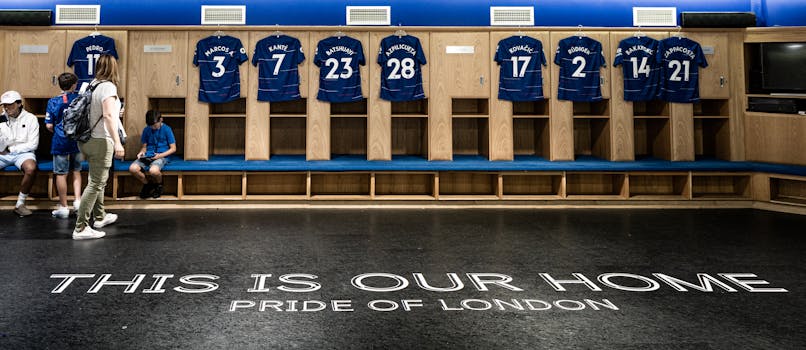
For instance, the partnership between Dolce & Gabbana and Chelsea Football Club in 2006 marked a significant milestone in this evolution. This collaboration went beyond traditional sportswear, introducing luxurious materials and sophisticated designs that appealed to fashion-forward audiences. The trend continued to grow with other luxury brands such as Balenciaga, Louis Vuitton, and Gucci, each adding their signature touches that often included premium fabrics and iconic logos.
The influence of celebrities and fashion influencers has been pivotal in elevating football jerseys to the status of fashion icons. As these jerseys became regular fixtures in the wardrobes of influential figures, they gained fashion legitimacy. Worn not just in sports arenas but also in casual and even formal settings, football jerseys adopted a new identity as versatile fashion pieces.
In response to their growing popularity, the design of football jerseys has evolved significantly. Modern versions may retain essential elements like team logos and colors but often feature a more tailored fit and luxurious embellishments that would not typically be associated with sportswear. This fusion of style and sport has also led to a shift in marketing strategies; football jerseys are now featured in high-end boutiques and luxury online stores, often as part of limited edition collections which add to their exclusivity and appeal.
The rise of social media has further amplified the visibility and desirability of football jerseys as fashion items. Platforms like Instagram and TikTok serve as global stages where fashion trends are set and spread, with football jerseys often styled in innovative ways that blur the lines between athletic and streetwear.
While this shift has been celebrated by many as a creative and cultural expansion, it has also faced criticism from purists who argue that it dilutes the authenticity and traditional spirit of sports apparel. Despite these criticisms, the integration of football jerseys into the luxury fashion segment underscores the broader cultural impact of football and its unique position at the intersection of sports and fashion.
As this trend continues to develop, it will be intriguing to observe how the interplay between traditional sports utility and luxury fashion aesthetics will evolve. The ongoing dialogue between these two worlds promises further innovations and perhaps new ways of conceptualizing what sportswear can be, signaling a future where the influence of football jerseys extends even further into the global fashion landscape.