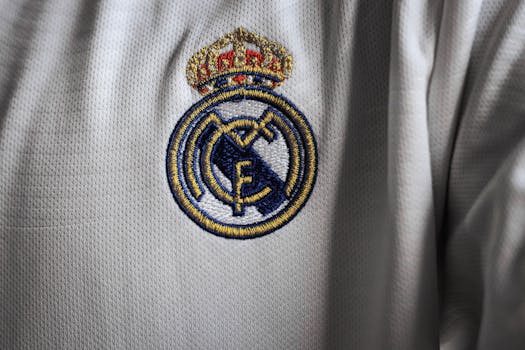
Football jerseys have undergone a remarkable transformation from basic sportswear to a pivotal element of global streetwear culture. Initially designed to identify players on the pitch, these jerseys now serve as both a symbol of fandom and a fashion statement, mirroring the evolution of sports apparel into a broader cultural phenomenon.
Historical Evolution
The journey of football jerseys began in the late 19th century when simple, functional shirts were used primarily for team identification. These early jerseys were typically made from heavy cotton, featuring long sleeves and collars, and were not designed with fashion or comfort in mind. As football gained popularity, the need for more distinct and practical jerseys grew, leading to the introduction of lighter materials and more vibrant colors.
.png)
Technological and Commercial Shifts
By the 1970s and 1980s, synthetic fabrics became commonplace, enhancing the comfort and functionality of jerseys by making them lighter and more breathable. This era also ushered in the age of commercial sponsorships, transforming jerseys into a medium for brand promotion. Logos and brand names began to appear on shirts, linking sports with corporate interests and increasing the commercial value of the jerseys.
Merging with Fashion
The 1990s were pivotal in redefining the football jersey as a fashionable item off the pitch. Collaborations between well-known sports brands and high-end fashion designers brought a new aesthetic appeal to jerseys. For instance, Adidas's partnership with designer Yohji Yamamoto signified a significant moment where sportswear met runway fashion, making it fashionable to wear football jerseys in casual settings.
Rise in Streetwear
As streetwear culture blossomed, characterized by its urban, laid-back style, football jerseys seamlessly integrated into this trend. Streetwear often incorporates functional clothing with unique designs, and football jerseys, with their colorful palettes and logos, fit perfectly within this style. The adoption of jerseys by celebrities and fashion influencers further boosted their status as a trendy option for everyday wear.
Collectible Fashion Items
Today, the allure of football jerseys extends beyond mere team loyalty. Limited edition releases and vintage designs have become coveted items among collectors and fashion enthusiasts. The rarity and historical significance of certain jerseys add to their appeal and value, making them prized possessions in the fashion world.
Modern Design and Broader Appeal
Recognizing their broader appeal, football clubs and sportswear brands now cater to both sports fans and fashion-conscious consumers. Contemporary designs often incorporate elements from current fashion trends, and some are created in collaboration with renowned fashion designers or brands, enhancing their appeal to a wider audience who may not necessarily follow football but are drawn to the design and cultural impact of the jerseys.
Conclusion
The transformation of football jerseys from functional sportswear to a fashion staple is a testament to their versatility and enduring appeal. As they continue to straddle the worlds of sport, fashion, and culture, football jerseys embody more than just team allegiance; they represent a dynamic fusion of identity, style, and global cultural trends. Whether on the back of a supporter in the stands or styled by a fashion-forward individual on the streets, football jerseys remain a potent symbol of both personal and collective expression.