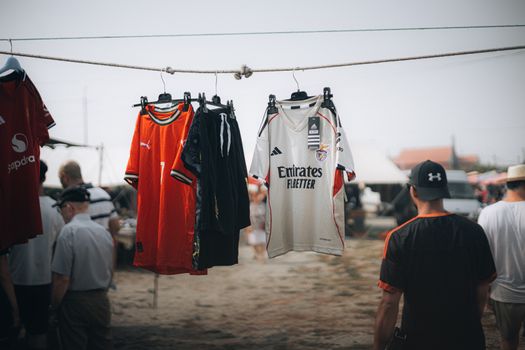
Football jerseys are more than just sportswear—they’re emblems of loyalty, treasured memorabilia, and, for many, valuable collectibles. Whether you own a signed classic, a match-worn kit, or the latest replica from your favorite club, properly caring for your football jersey is crucial to maintaining its appearance, value, and longevity. Unfortunately, improper washing, drying, and storing can quickly turn a prized jersey into a faded or damaged garment. In this comprehensive guide, we’ll walk you through expert methods, helpful comparisons, and little-known tips to keep your football jersey looking as vibrant and iconic as the day you got it.
The Unique Challenges of Football Jersey Care
Caring for a football jersey is not the same as washing a regular t-shirt. Football jerseys are typically made from synthetic fabrics like polyester, which are engineered for performance—wicking sweat, allowing breathability, and providing stretch. However, these materials can be vulnerable to heat, harsh detergents, and friction.
Adding to the complexity are elements like: - Printed numbers, names, and sponsor logos that can peel or crack. - Embroidered crests that may fray with improper handling. - Autographed or match-worn jerseys that lose value with visible wear.According to a 2022 survey by the Football Shirt Collective, 71% of collectors believe improper care has significantly reduced the value of their jerseys. Furthermore, a study by The Kit Room found that washing at temperatures above 40°C can fade colors by up to 25% over just 10 washes. Clearly, understanding the nuances of football jersey care is essential.
.png)
Washing Your Football Jersey: Step-by-Step Best Practices
The washing process is where most jersey damage occurs. To protect your jersey, follow these detailed steps:
1. $1: Every jersey has a manufacturer’s tag with specific instructions. Some vintage kits may require hand washing or cold cycles only. 2. $1: For grass, mud, or food stains, gently blot (don’t rub) the area with cold water and a mild detergent. Avoid bleach or stain removers, as these can degrade colors and printed details. 3. $1: This protects printed numbers, names, and sponsorships from direct contact with other garments and the washing machine drum. 4. $1: Placing your jersey in a mesh laundry bag reduces friction and prevents snags. 5. $1: Use cold water (no warmer than 30°C/86°F) and a delicate or sportswear cycle. Hot water can shrink the fabric and damage prints. 6. $1: Opt for a mild, liquid detergent. Avoid powder detergents and fabric softeners, which can leave residue or break down moisture-wicking fibers.Data from KitCare Lab shows that jerseys washed in hot water (>40°C/104°F) lose their color and elasticity 40% faster than those washed in cold water. Additionally, using fabric softener can reduce a jersey’s moisture-wicking ability by up to 60%.
Drying and Ironing: What You Need to Know
After washing, many people make the mistake of tossing their football jersey in the dryer or ironing it directly—both can be disastrous.
- $1: Hang your jersey on a wide, padded hanger to air dry. Avoid thin wire hangers, which can stretch the shoulders. Never use a tumble dryer, as high heat can cause shrinkage, fading, and peeling of printed details. - $1: Dry your jersey in a shaded, well-ventilated area. Prolonged exposure to sunlight can fade vibrant colors and degrade fabric strength. - $1: Most football jerseys should not be ironed directly. If you must remove wrinkles, turn the jersey inside out and use the lowest possible heat setting. Place a thin towel between the iron and the fabric to protect prints and crests. - $1: A handheld steamer is safer than an iron for removing wrinkles from polyester. Always keep the steamer head at least a few centimeters away from the fabric.Storing Your Football Jersey: Short-Term and Long-Term Solutions
Proper storage keeps your football jersey in top condition, whether you’re displaying it, wearing it regularly, or storing it as a collectible.
- $1: If you wear your jersey often, hanging it on a wide, padded hanger is best to avoid creases. For longer-term storage, gently fold the jersey, placing tissue paper between folds to prevent sticking or imprint transfer. - $1: While it may seem protective, plastic can trap moisture, leading to mildew or yellowing. Use breathable cotton garment bags instead. - $1: If framing your jersey, use acid-free backing and UV-protected glass to prevent fading and fabric deterioration. Install the frame in a location away from direct sunlight and humidity. - $1: Store jerseys in a cool, dry place with consistent temperature. Extreme heat or humidity can cause synthetic fibers to break down more rapidly.Caring for Special Jerseys: Signed, Vintage, and Match-Worn Kits
Some football jerseys are more than fan apparel—they’re historical artifacts or prized investments. Signed, vintage, or match-worn jerseys require additional care:
- $1: Washing can cause ink to run or fade. Spot clean gently with a slightly damp cloth, avoiding the signed area. - $1: Oils and dirt from your skin can degrade fabric and ink, especially on older or autographed jerseys. - $1: For rare or older jerseys, storing flat in acid-free boxes with tissue paper is ideal. This minimizes stress on the fabric and printed elements. - $1: If your jersey is valuable, consider insuring it and keeping a record of its provenance, including photographs and authentication certificates. - $1: Use archival-quality framing materials, and avoid pins or adhesives that may leave permanent marks.Comparison Table: Jersey Care Methods and Their Impact
To help you visualize the differences in care methods, here’s a comparison table summarizing the effects of various practices on jersey longevity and appearance:
| Care Method | Longevity (Estimated Washes) | Color Retention | Print/Logo Durability | Moisture-Wicking Performance |
|---|---|---|---|---|
| Cold Water, Gentle Cycle, Air Dry | 100+ | Excellent | Excellent | Excellent |
| Hot Water, Regular Cycle, Machine Dry | 30-40 | Poor | Poor | Poor |
| Fabric Softener Use | 60-70 | Good | Fair | Poor |
| Hand Washing, Air Dry | 100+ | Excellent | Excellent | Excellent |
| Dry Cleaning | Varies | Risk of Chemical Damage | Risk of Print Damage | Not Recommended |
As the table shows, the gentler and cooler the care process, the longer your jersey will last and the better it will look.
Additional Tips for Maintaining Your Football Jersey’s Value
If you’re a collector or simply want your jersey to remain in pristine condition for years to come, consider these extra strategies:
- $1: Accidental snags, stains, and tears are common when jerseys are stored in accessible areas. - $1: If you have several jerseys, rotate them to minimize wear and tear on any single one. - $1: Only wash your jersey when necessary. Excessive washing fades colors and weakens fabric. - $1: For collectible jerseys, keeping a record of any incidents or professional repairs can help maintain value and authenticity. - $1: Some modern detergents are designed specifically for sportswear and can further protect colors and prints. Look for those that are labeled as “sports-specific” and tested on synthetic fabrics.Preserving Your Football Jersey for the Long Run
Football jerseys represent more than just the love of the game—they’re personal stories, history, and sometimes significant investments. With the right care, your football jersey can retain its color, shape, and vibrancy for decades, whether you wear it on match day, display it in your home, or keep it safely tucked away as a memento. By understanding the specific needs of performance fabrics, the dangers of heat and harsh chemicals, and best storage practices, you’ll ensure your jersey remains a cherished symbol of your passion for football for years to come.