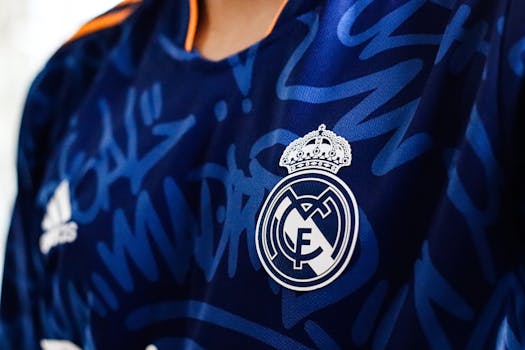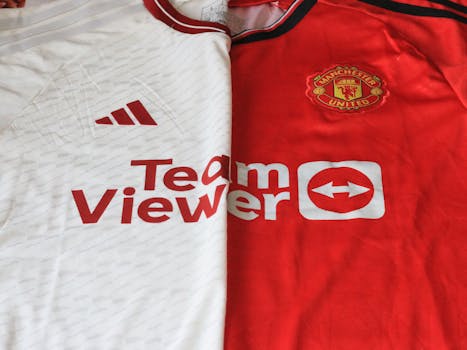
Football jerseys are more than just pieces of fabric worn during matches; they are a quintessential part of sports culture and a powerful marketing tool. For sports marketers, leveraging the appeal of jerseys can drive fan engagement, boost merchandise sales, and enhance overall brand visibility. This article delves into the pivotal role of football jerseys in sports marketing, explores various strategies for leveraging them effectively, and evaluates the pros and cons of these strategies with practical examples.
The Role of Football Jerseys in Sports Marketing
At their core, football jerseys represent loyalty and passion. They are iconic symbols that fans wear to show their support for their favorite teams. For marketers, these jerseys are essential for tapping into the emotional connection fans have with their teams, which can be leveraged to enhance brand recognition and drive sales. The visibility of jerseys, adorned by fans at stadiums, in pubs, and on the streets, acts as mobile billboards, spreading brand awareness effortlessly and extensively.
.png)
Strategies for Leveraging Football Jerseys in Marketing
Sports marketers employ various innovative strategies to maximize the impact of football jerseys. Here are some of the most effective:
- Customization and Personalization: Offering fans the option to customize jerseys with their names, numbers, or other personalized details not only caters to individual preferences but also strengthens their emotional connection to the team. This strategy can significantly enhance the perceived value of the merchandise.
- Limited Edition Releases: Releasing special edition jerseys during significant events or anniversaries creates a sense of urgency and exclusivity, compelling fans to purchase quickly before they sell out. This tactic can lead to spikes in sales and can be a great way to commemorate important milestones.
- Collaborations with Designers or Brands: Partnering with renowned designers or brands to create special edition jerseys can attract a broader audience. These collaborations often bring a fresh perspective to the traditional designs, appealing to both sports fans and fashion enthusiasts.
Advantages and Disadvantages of Different Strategies
Each strategy comes with its own set of benefits and challenges:
- Customization and Personalization
- Advantages: Enhances customer satisfaction and loyalty by catering to personal tastes.
- Disadvantages: Higher costs and logistical challenges in managing inventory and production.
- Limited Edition Releases
- Advantages: Generates immediate sales boosts and increases collectability of jerseys.
- Disadvantages: Can frustrate fans who are unable to obtain these limited items, potentially leading to dissatisfaction.
- Collaborations
- Advantages: Broadens the appeal of jerseys beyond traditional sports fans and can rejuvenate the brand.
- Disadvantages: There is a risk of brand dilution if the collaboration does not align well with the team's image or core values.
Practical Examples
A notable example is the collaboration between FC Barcelona and renowned artist, KAWS. This partnership introduced a jersey that featured unique designs, merging sports with contemporary art, and successfully expanded its appeal to art lovers and collectors, thus tapping into new markets.
Conclusion
Football jerseys are indispensable tools in the arsenal of sports marketers. By strategically utilizing customization, limited editions, and collaborations, marketers can not only boost sales but also enhance fan engagement and brand visibility. As the dynamics of sports marketing evolve, the ability to innovate and cater to changing fan preferences will be crucial. Football jerseys, therefore, remain at the heart of sports marketing strategies, symbolizing much more than team allegiance—they are a key to deeper brand connections and expanded market reach.