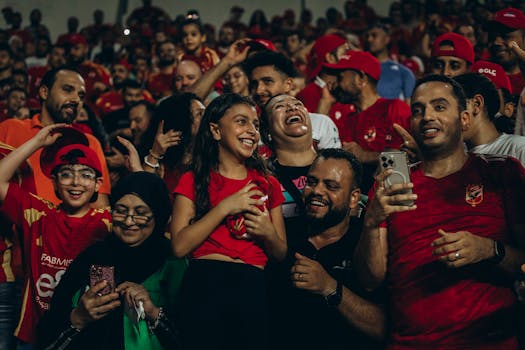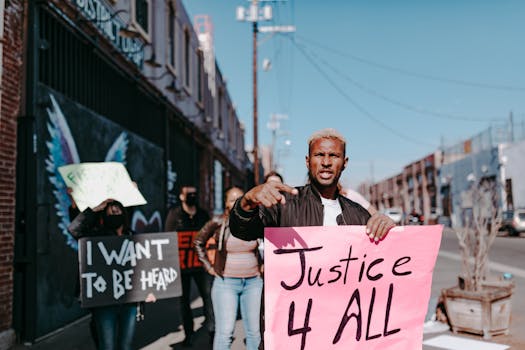
Football jerseys, traditionally designed to identify teams and players, have evolved into a significant platform for political and social statements within the sports community. This trend highlights the intersecting paths of sports, politics, and social issues, demonstrating the powerful role of sports apparel in advocacy and protest.
Historically, sports gear has been utilized for political expression, exemplified by the Black Power salute at the 1968 Olympics. Although not involving a football jersey, this event underscored how sports apparel could serve as a potent medium for conveying political messages. In football, the transformation of jerseys into tools for political statements is evident in various instances where teams and players have aligned themselves with broader social causes.
For example, FC Barcelona's choice to incorporate the Catalan flag's colors into their jerseys subtly supported Catalonia's independence movement, showcasing how team kits can express regional political sentiments. Similarly, anti-racism campaigns have effectively used football jerseys to spread their message. Teams across Europe have worn jerseys featuring anti-racism slogans, using the sport's extensive reach to promote equality and combat racism both on and off the field.
.png)
Individual players have also personalized their jerseys with messages supporting global causes, from humanitarian crises to health initiatives. These personal endorsements are particularly impactful, leveraging the players' high visibility to draw attention to important issues that may lack widespread recognition.
The strategic use of football jerseys in this manner benefits from the immense visibility of the sport and the deep emotional connections fans hold with their teams. When a team adopts a politically charged jersey, it's not just the players who are endorsing a cause; the message reaches the entire fan base, prompting increased awareness and discussion among a broad audience.
However, the politicization of football jerseys is not universally accepted. Critics argue that sports should remain politically neutral, preserving their role as a unifying entertainment medium free from social or political divisions. They contend that introducing political statements through sports can polarize fans and detract from the game's enjoyment.
Despite such controversies, the trend of using football jerseys for political statements continues to grow, driven by a new generation of sports fans who are more socially and politically engaged. These fans expect their favorite teams and athletes to reflect their values and take stands on significant issues, indicating a shift in expectations towards sports figures and institutions.
In summary, football jerseys have become a dynamic tool for political and social expression, transcending their traditional role to impact public discourse and catalyze social change. While the practice may spark debate regarding the role of politics in sports, it undeniably enriches the sport's cultural significance, turning athletic entertainment into a platform for vital global conversations. As the relationship between sports and society evolves, football jerseys are likely to continue playing a crucial role at the intersection of sports and politics, inspiring both thought and action worldwide.