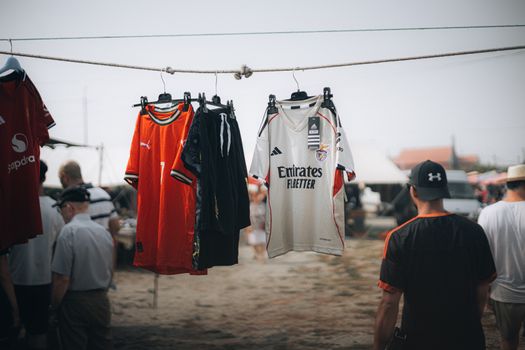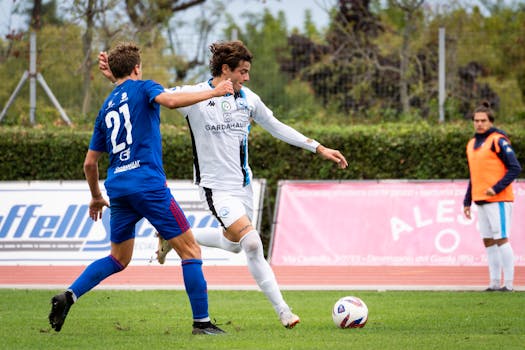
Grassroots football represents the beating heart of the sport—a vibrant community where passion, development, and identity come alive on local pitches every weekend. While much is written about elite players and high-profile clubs, the humble football jersey plays a pivotal, often overlooked role at the grassroots level. Far more than just a piece of clothing, the jersey serves as a symbol of unity, pride, and aspiration for countless amateur teams and young athletes worldwide. Understanding the role of football jerseys in grassroots football sheds light on how these garments shape experiences, foster community, and even influence the future of the game.
Fostering Team Identity and Unity
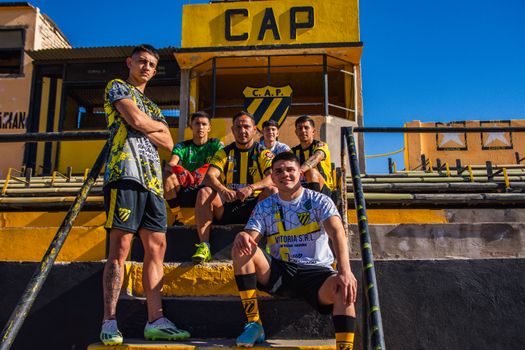
One of the core functions of a football jersey in grassroots football is to create a strong sense of identity. For many local teams, especially youth squads, donning a matching kit transforms a group of individuals into a cohesive unit. The jersey becomes a badge of belonging, making every player feel part of something bigger than themselves.
Studies in sports psychology have shown that wearing a team uniform can significantly enhance group cohesion and performance. According to research published by the Journal of Applied Sport Psychology in 2019, teams with distinctive kits reported a 22% higher sense of group identity compared to those without. This sense of unity is especially vital at the grassroots level, where players often come from diverse backgrounds and may be playing together for the first time.
.png)
Grassroots clubs frequently design their own jerseys, choosing colors and emblems that reflect local pride, school spirit, or even homage to professional clubs they admire. This creative process itself builds camaraderie. Whether it’s a village side in England or a youth club in Nigeria, the jersey is a focal point for team stories, local heritage, and personal memories.
Accessibility and the Challenge of Cost
While elite clubs invest millions in high-tech kits, grassroots football operates on a very different scale. The cost of jerseys can be a significant barrier for many community teams. According to a 2022 survey by the Football Foundation, 37% of grassroots clubs in the UK identified kit costs as one of their top three financial challenges.
To address this, many organizations and local sponsors step in to support grassroots teams. For example, the FA’s “Kit Scheme” in England has distributed over 50,000 free kits to youth teams since its inception in 2017. Similarly, programs like “Pass It On” collect and redistribute gently used jerseys, ensuring that no aspiring player is left out due to financial constraints.
The table below highlights a comparison of jersey costs and support initiatives across different regions:
| Region | Average Jersey Cost (USD) | Key Support Initiatives | Percentage of Teams Receiving Aid |
|---|---|---|---|
| UK | $35 | FA Kit Scheme, local business sponsorship | 42% |
| USA | $50 | US Youth Soccer grants, community fundraisers | 38% |
| Nigeria | $18 | NGO donations, local benefactor support | 47% |
| India | $12 | State sports council subsidies, used kit drives | 53% |
These efforts are vital. Without them, the cost of a jersey could exclude young players from participating, undermining the inclusive spirit that defines grassroots football.
Symbolism and Aspirational Value
For young players, a football jersey is more than functional sportswear—it carries deep symbolic weight. Pulling on a team shirt can spark dreams of emulating football idols and making it big one day. The jersey becomes a canvas for personal and collective ambition.
Grassroots clubs often use their kits as motivational tools. For instance, it’s common for coaches to award the jersey to standout performers or as a rite of passage for new team members. According to a 2021 FIFA Grassroots Development Report, 61% of surveyed coaches believed that presenting a jersey to a child marked a significant milestone in their engagement with the sport.
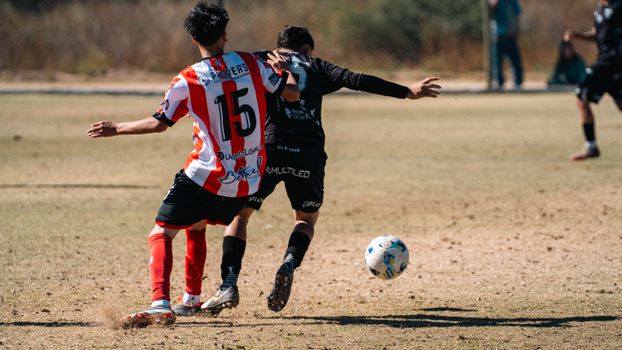
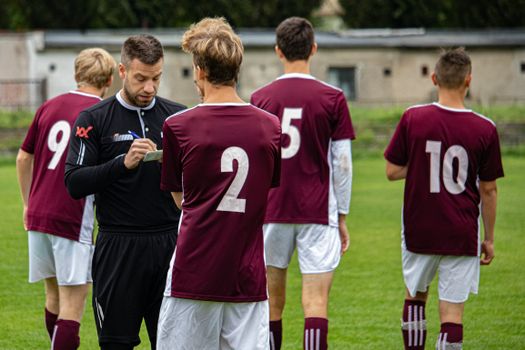
Moreover, grassroots jerseys often carry the names and numbers of local heroes or inspirational figures, reinforcing positive role models and encouraging sportsmanship. For many children, the first time they wear a numbered shirt is a proud moment—one that often sparks a lifelong passion for football.
Promoting Inclusion and Diversity
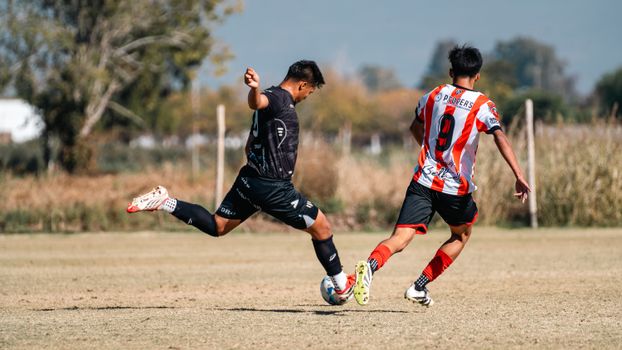
Grassroots football is one of the most inclusive forms of the game, welcoming players regardless of background, ability, or gender. Football jerseys play a subtle but important role in promoting this inclusivity.
When every player wears the same jersey, visible differences—whether cultural, socioeconomic, or physical—fade into the background. The uniform becomes a great equalizer. According to UEFA’s “Respect” campaign, 78% of grassroots coaches believe that team kits foster a sense of equality among players.
In many communities, special attention is given to ensuring that jerseys are available in a range of sizes and styles, including options for girls, players with disabilities, and those of different faiths who may have specific clothing needs. Some clubs now offer hijab-friendly kits or alternative fits to ensure everyone can participate comfortably.
Grassroots football also leads the way in using jerseys to celebrate diversity. Rainbow laces, anti-racism badges, and custom patches are increasingly featured on local kits, sending powerful messages about inclusion and respect both on and off the pitch.
Jerseys as Fundraising and Community-Building Tools
The impact of grassroots football jerseys extends beyond the field. For many local clubs, selling replica kits or hosting “kit launch” days is an essential part of fundraising. These activities help cover club expenses and foster a sense of community ownership.
A 2023 survey by the European Club Association found that 29% of grassroots clubs rely on kit-related sales and sponsorships for a significant portion of their annual budget. Replica jerseys—often sold to family, friends, and local supporters—allow fans to show their allegiance and pride, while also providing crucial financial support.
Moreover, the process of designing and distributing kits brings clubs and communities together. Local businesses frequently sponsor team jerseys, their logos sharing space with team crests as a symbol of partnership. This not only helps clubs afford better equipment but also strengthens ties between local enterprises and grassroots sports.
Grassroots teams often organize jersey presentation events or “kit days,” inviting families and fans for a celebration that cements bonds and creates lasting memories. These events have become important fixtures in the local sporting calendar, further highlighting the jersey’s role as a community touchstone.
Inspiring the Next Generation: The Legacy of Grassroots Jerseys
The influence of grassroots football jerseys often lasts far beyond a single season. For many players, their first kit becomes a treasured keepsake, evoking memories of cherished victories, friendships, and formative experiences.
Grassroots football serves as the starting point for many professional careers. Icons such as Lionel Messi, Megan Rapinoe, and Sadio Mané all began their journeys wearing local club shirts. These kits, often passed down or displayed with pride, become symbols of where the dream started.
In some countries, grassroots jerseys have even become collector’s items, with historic local kits featured in museum exhibitions or charity auctions. They tell the stories of communities, celebrate unsung heroes, and remind us all that football’s greatest magic often happens far from the glare of the world’s biggest stadiums.
Final Thoughts: Why Football Jerseys Matter in Grassroots Football
Football jerseys in grassroots football are far more than simple gear—they are powerful symbols of identity, inclusion, and aspiration. From fostering team unity and breaking down barriers to serving as fundraising tools and cherished mementos, these kits play a foundational role in the world’s most beloved sport at its most fundamental level.
As the game continues to grow, ensuring that every player—regardless of background—has access to a jersey remains a crucial challenge and an even greater opportunity. By supporting grassroots football and recognizing the pivotal role of the jersey, we nurture not just future stars, but also stronger, more connected communities and an enduring love for the beautiful game.