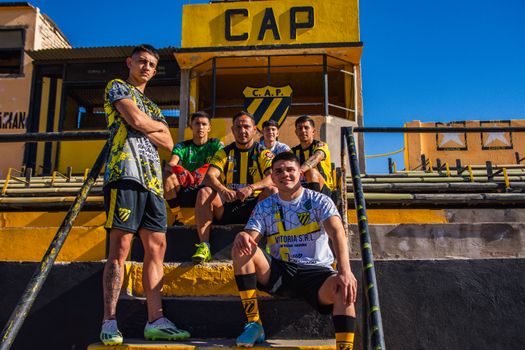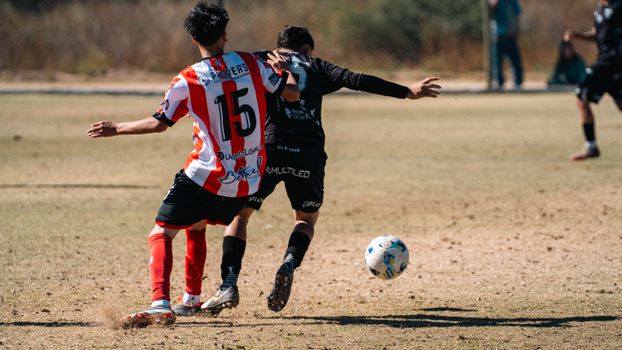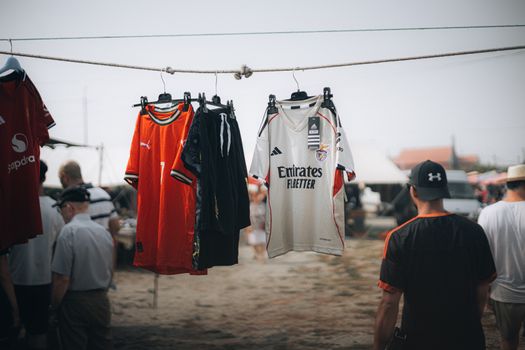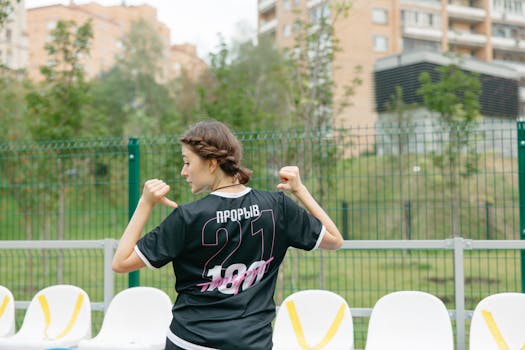
Soccer jerseys, once confined to the boundaries of stadiums and training grounds, have become a powerful statement on city streets, in music videos, and even on high-fashion runways. This transformation from purely athletic apparel to a global fashion trend is a fascinating journey shaped by cultural shifts, celebrity influence, and innovative design. As of 2024, the global sportswear market is valued at over $353 billion, with soccer jerseys accounting for a significant share, not just among fans but among style-conscious consumers everywhere. How did these vibrant, logo-laden shirts make the leap from pitch to mainstream fashion? Let’s explore the rise of soccer jerseys as a fashion trend off the field.
The Origins: From Team Identity to Subculture Symbol
Soccer jerseys began as utilitarian garments, designed to distinguish teams and foster unity on the field. Their earliest forms in the late 19th and early 20th centuries were simple, often featuring basic stripes or solid colors. However, by the 1970s and 1980s, soccer jerseys started to carry more than just team symbolism—they became emblems of local pride and, in some places, rebellion.
In cities like London and Buenos Aires, jerseys were adopted by subcultures such as casuals and ultras, who wore them as badges of identity. For example, the English “casual” movement of the 1980s saw working-class youth pairing soccer jerseys with designer jeans and sneakers, not only to support their teams but to showcase a unique, streetwise style. This blend of sporting allegiance and fashion consciousness planted the seed for jerseys to be seen as more than just athletic wear.
.png)
Cultural Crossovers: Music, Media, and Global Icons
The true leap of soccer jerseys into fashion came through cultural crossovers, particularly via music and media. In the 1990s, hip-hop and Britpop stars began wearing soccer jerseys in music videos, concerts, and photo shoots. Artists like Drake, Stormzy, and Liam Gallagher have all been spotted in club and national team shirts, giving jerseys a cool, urban edge.
One powerful example is the 1998 Nigeria World Cup jersey, which became a cult classic not just for its bold green design but because it was seen worn by musicians and influencers. In the United States, the 1994 World Cup jersey, with its striking denim look, was embraced by youth subcultures and reinterpreted in streetwear collections decades later.
Television and film also played roles: popular shows and movies featuring characters in soccer jerseys helped normalize them as everyday attire. This exposure reinforced jerseys as stylish, comfortable, and expressive, appealing to a broad audience beyond traditional sports fans.
Design Evolution: Collaboration and Customization
Modern soccer jerseys are the result of collaborations between major sports brands, renowned designers, and even artists. Gone are the days of plain cotton shirts—today’s jerseys boast advanced fabrics, intricate patterns, and eye-catching color palettes.
Brands like Adidas, Nike, and Puma have partnered with luxury fashion houses and pop-culture icons to create limited-edition jerseys. For instance, Paris Saint-Germain’s collaboration with Jordan Brand produced a line of jerseys that sold out within hours and became must-have fashion pieces. In 2023, Adidas’ “Humanrace” line, designed with Pharrell Williams, reimagined classic soccer shirts with bold, artistic flair.
Customization is another driver of the trend. Consumers can now personalize jerseys with names, numbers, and patches, making each purchase unique. According to a 2022 report by Statista, over 35% of soccer jersey buyers in Europe opted for customized options, reflecting the desire for individuality in fashion.
Soccer Jersey Popularity Versus Other Sports Apparel
Soccer jerseys have outpaced many other sports shirts in terms of streetwear popularity, due to their global reach, versatile styling, and cultural resonance. To understand the phenomenon, let’s compare soccer jerseys with basketball and baseball jerseys—the two other major influences in sports-inspired fashion.
| Apparel Type | Global Market Size (2023, USD) | Main Fashion Markets | Key Style Features | Average Annual Growth (%) |
|---|---|---|---|---|
| Soccer Jerseys | $8.7 billion | Europe, South America, Africa, Asia | Slim fit, bold graphics, sponsor logos | 5.4% |
| Basketball Jerseys | $4.2 billion | North America, China | Sleeveless, loose fit, team branding | 3.1% |
| Baseball Jerseys | $2.5 billion | North America, Japan | Button-up, pinstripes, team insignia | 2.6% |
Soccer jerseys stand out with their adaptability: they can be layered over T-shirts, paired with jeans or shorts, or even styled with high-end accessories. Their association with global tournaments and iconic players gives them an edge in cultural relevance, making them a go-to choice for both fans and non-fans seeking a fashionable, recognizable look.
The Influence of Streetwear and Social Media
Streetwear culture, which values authenticity, exclusivity, and comfort, has embraced soccer jerseys wholeheartedly. Brands like Supreme and Off-White have integrated soccer-inspired silhouettes into their collections, sometimes borrowing design cues (like stripes or sponsor graphics) directly from famous kits.
Social media has accelerated the trend. On platforms like Instagram and TikTok, influencers and celebrities showcase creative ways to style soccer jerseys, often mixing vintage finds with luxury pieces. The hashtag #soccerjerseyfashion has over 1.2 million posts as of early 2024, featuring everything from throwback Italian Serie A shirts to current Premier League kits styled with bucket hats, cargo pants, or oversized blazers.
In addition, viral moments—such as a jersey worn by a high-profile artist during a live performance—can drive massive spikes in demand. After Drake wore a Juventus jersey in his “God’s Plan” music video, searches for Juventus shirts increased by 145% within a week, according to Google Trends.
Gender Neutrality and Breaking Fashion Barriers
Soccer jerseys are inherently unisex, making them accessible and appealing to all genders. Unlike many traditional sports shirts, which are tailored for a specific body type, most soccer jerseys offer a relaxed fit and flexible sizing. This inclusivity has broadened their appeal, especially among Gen Z and Millennials, who prioritize gender-neutral and sustainable fashion.
Fashion brands have responded by creating lines specifically marketed as “for everyone.” According to a 2023 survey by YouGov, 47% of soccer jersey purchasers in the 18-34 age bracket identified gender neutrality as a key reason for their choice. Campaigns featuring diverse models and non-binary influencers have further cemented the jersey’s role as a tool for self-expression and boundary-breaking style.
Why Soccer Jerseys Are Here to Stay in Fashion
The rise of soccer jerseys as a fashion trend off the field is no passing fad. Their unique blend of comfort, cultural meaning, and eye-catching design ensures they remain relevant in a rapidly changing fashion landscape. As more brands experiment with sustainable materials and tech-driven customization, the appeal of jerseys is likely to grow even stronger.
In 2022, the resale market for vintage soccer jerseys grew by 29% compared to the previous year, according to StockX, highlighting the enduring demand for iconic kits from the past. Collectors and casual wearers alike are drawn by the nostalgia, stories, and artistry that each jersey represents.
From subcultures to global runways, soccer jerseys have proven their versatility and staying power. Whether you’re a die-hard football supporter or just looking for a bold, stylish piece to complete your wardrobe, the soccer jersey is now a symbol of both sporting passion and cutting-edge fashion.