Few items in sports evoke as much passion and nostalgia as a football jersey. Across continents, these shirts are more than just pieces of fabric; they’re symbols of loyalty, culture, and history. But what makes certain football jerseys rise above the rest to become legends in their own right? From the iconic designs worn by superstars to the shirts that witnessed unforgettable moments, some jerseys have achieved a status that transcends the sport itself. In this article, we explore the most popular football jerseys of all time and the reasons behind their enduring appeal.
The Magic Behind Iconic Football Jerseys
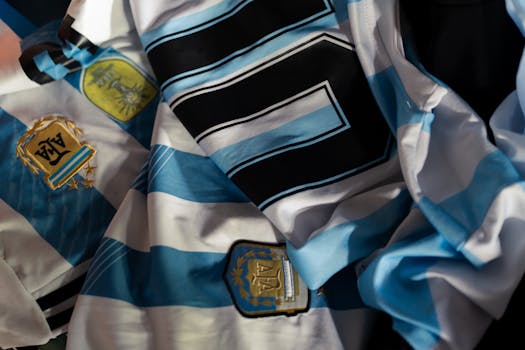
What drives a football jersey to become a global phenomenon? It’s a combination of factors: historic wins, legendary players, bold designs, and sometimes even controversy. When Diego Maradona scored his “Hand of God” goal in the 1986 World Cup wearing the Argentina sky blue and white stripes, he cemented that jersey as a symbol of football legend. Similarly, Brazil’s canary yellow shirt has become synonymous with flair and footballing beauty, worn during five World Cup triumphs.
But there’s more at play. Football jerseys act as canvases for national pride, cultural identity, and even political statements. Some designs are so unique that they spark trends in both sportswear and mainstream fashion. For fans, owning a memorable jersey is akin to possessing a piece of history—a tangible link to the moments that shaped the game.
.png)
Top 10 Most Popular Football Jerseys Ever Sold
Let’s take a look at the numbers. Sales figures and global recognition play a major role in determining which jerseys are the most popular. According to multiple sources, including UEFA, kit manufacturers, and football historians, the following shirts have made the greatest impact:
| Rank | Jersey | Year/Period | Key Player(s) | Estimated Sales/Impact |
|---|---|---|---|---|
| 1 | Brazil Home (Yellow) | 1970-present | Pelé, Ronaldo, Neymar | Over 30 million sold globally |
| 2 | Argentina Home (Sky Blue & White Stripes) | 1986-present | Maradona, Messi | Over 20 million sold |
| 3 | Manchester United Home (Red) | 1992-present | Beckham, Ronaldo | 2022 sales: 3.2 million |
| 4 | Real Madrid Home (White) | 2000-present | Ronaldo, Zidane | 2022 sales: 3.1 million |
| 5 | Barcelona Home (Blue & Garnet Stripes) | 2008-present | Messi, Ronaldinho | 2022 sales: 3 million |
| 6 | France Home (Blue) | 1998-present | Zidane, Mbappé | Museum piece; 2022 sales: 1.7 million |
| 7 | England Home (White) | 1966-present | Bobby Charlton, Beckham | Iconic status, strong sales during tournaments |
| 8 | Germany Home (White with Black) | 1974-present | Beckenbauer, Müller | Major World Cup sales spikes |
| 9 | Juventus Home (Black & White Stripes) | 1980s-present | Del Piero, Ronaldo | Over 1.4 million in 2022 |
| 10 | AC Milan Home (Red & Black Stripes) | 1980s-present | Maldini, Kaka | Consistently strong Italian sales |
These figures reveal more than just commercial success—they highlight the jerseys that have become woven into the fabric of football culture.
Legendary Players: The Faces Behind the Shirts
A football shirt’s popularity is often inseparable from the legends who wore it. When people think of Brazil’s yellow, they picture Pelé dancing past defenders in 1970, or Ronaldo’s dazzling runs in 2002. The Argentina jersey is forever linked to Maradona’s 1986 exploits and Messi’s contemporary brilliance.
Cristiano Ronaldo has had a unique impact, driving massive shirt sales at Manchester United, Real Madrid, and Juventus. According to Adidas and Nike, Ronaldo’s arrival at Juventus in 2018 led to over 500,000 shirts sold in just 24 hours—an all-time record for a single player transfer.
Lionel Messi’s transfer to Paris Saint-Germain in 2021 had a similar effect: PSG sold more than 830,000 Messi shirts in his first season, with the club’s official store website crashing due to demand. This shows how the right player at the right club can elevate a jersey’s popularity overnight.
Historic Moments That Made Jerseys Unforgettable
Some shirts are immortalized not by commercial sales, but by the memories they evoke. England’s red away kit from the 1966 World Cup Final is one such example—worn when they won their only World Cup, it’s iconic despite being less commercially available. Similarly, the Netherlands’ 1974 orange jersey, though never worn by a World Cup-winning team, became a cult classic thanks to Johan Cruyff and the “Total Football” era.
Another unforgettable moment came with the France 1998 blue home shirt, worn when Zinedine Zidane led Les Bleus to their first World Cup victory on home soil. Sales of that shirt soared in France and worldwide, and it remains a collector’s item today.
Historic kits aren’t always linked to triumphs. The 1990 Cameroon kit gained global fame thanks to Roger Milla’s corner flag dances, making the green shirt with red and yellow accents a symbol of African football’s breakthrough on the world stage.
Design Trends: Why Some Football Jerseys Stand Out
Jersey design is a powerful factor in popularity. While some shirts stick to tradition, others break the mold and become instant classics. Brazil’s yellow, Argentina’s stripes, and Juventus’s black-and-white are enduring because they’re instantly recognizable—even to non-football fans.
On the other hand, teams like Nigeria have made waves with bold reinventions. Nigeria’s 2018 World Cup shirt, with its vibrant zig-zag pattern, sold out within minutes of release, with over 3 million pre-orders worldwide. This was a testament to how modern design can capture the world’s imagination.
Some of the most beloved jerseys include:
- The Netherlands 1988 home shirt: Classic orange with subtle geometric patterns, worn during their only major tournament win at the European Championships. - Germany’s 1990 home shirt: White with a bold, abstract pattern in black, red, and yellow, symbolizing reunification and victory. - Barcelona’s 2010-11 home kit: Worn during their peak under Pep Guardiola, with a simple but elegant design and the UNICEF logo, it became a symbol of beautiful football and social responsibility.Retro releases and “throwback” kits also keep certain designs in the spotlight. Clubs and brands frequently reissue classic shirts, drawing on nostalgia to fuel fresh waves of popularity.
Club vs. National Team Jerseys: Different Roads to Icon Status
While national team jerseys often gain fame through World Cups and continental tournaments, club shirts ride on both domestic and international success. Manchester United’s red, Real Madrid’s white, and Barcelona’s blue and garnet stripes are among the best-selling club jerseys year after year.
According to a 2022 report by Euromericas Sport Marketing, these three clubs each sold over 3 million shirts annually, with Manchester United leading global sales for much of the last decade. Club jerseys also benefit from longer exposure—players wear them across dozens of matches every season, compared to the handful of games played in national team colors.
National team shirts, on the other hand, see sales spikes during major tournaments. For example, the England home shirt saw a 300% increase in sales during the 2018 World Cup, according to retailer Sports Direct. When a team has a deep tournament run, sales can reach into the millions, as seen with France in 2018 and Argentina in 2022.
The Enduring Appeal of the World’s Most Popular Football Jerseys
Football jerseys are more than mere merchandise. They’re vessels for memories, symbols of identity, and sometimes even works of art. The most popular football jerseys of all time have achieved their status through a mixture of historic victories, legendary players, bold design, and cultural resonance.
Whether you’re a die-hard collector or someone who enjoys the occasional match, the right jersey can transport you back to a moment of triumph, unity, or beauty. As the game evolves, new classics will no doubt emerge, but the legends of the past remind us why football is truly the world’s game.