Every four years, the world’s attention turns to the FIFA World Cup, and while the beautiful game itself is the main attraction, there’s another spectacle that never fails to spark conversation: the jerseys of the national teams. Soccer jerseys are more than just athletic apparel—they’re cultural symbols, works of design, and badges of pride that tell a story about each country. But what exactly sets the jerseys of different national teams apart at the World Cup? From design traditions and technological innovations to symbolism and fan influence, let’s dive deep into how these iconic kits distinguish themselves on football’s biggest stage.
National Identity Woven Into Fabric: The Power of Colors and Symbols
One of the most defining features of a World Cup jersey is its ability to capture the spirit and heritage of a nation. Each team’s kit is carefully crafted to reflect national identity, often through a combination of colors, badges, and motifs.
Take Brazil, for example—instantly recognizable in their “Canarinho” yellow shirts with green trim. The yellow jersey debuted in 1954, following Brazil’s heartbreaking defeat in 1950 while wearing white. The new color scheme was chosen via a national contest to better represent the Brazilian flag, and has since become a symbol of footballing brilliance and joy.
.png)
Italy’s “Azzurri” blue harks back to the royal House of Savoy, predating the Italian Republic. Despite blue not appearing on the national flag, it’s become synonymous with Italian sports. Similarly, the Netherlands’ orange kits honor the Dutch royal family, the House of Orange-Nassau.
Meanwhile, the French team’s tricolor—blue, white, and red—mirrors the national flag, while England’s classic white with red accents nods to the St George’s Cross. African teams often incorporate traditional patterns or national emblems, like Nigeria’s 2018 “Naija” kit, which featured a bold feathered pattern inspired by local art and quickly sold out worldwide.
These design choices go beyond aesthetics—they communicate history, pride, and unity, making each jersey a canvas of national storytelling.
Technological Advances: Performance Meets Style
While national identity remains at the forefront, technological innovation has transformed World Cup jerseys into high-performance gear. In recent tournaments, teams have benefitted from cutting-edge fabric technologies and construction methods designed to enhance player comfort and performance.
For instance, Adidas introduced “Climachill” and “Heat.RDY” technologies, which use microfibers and aluminum dots to wick moisture and keep players cool under pressure. Nike’s “Dri-FIT ADV” fabric features engineered mesh zones for targeted breathability, and Puma’s “ULTRAWEAVE” boasts a four-way stretch for unrestricted movement.
At the 2018 World Cup, Germany’s jersey was noted for its lightweight, seamless design, weighing just 140 grams—about 25% less than jerseys from the 2014 tournament. Meanwhile, Spain’s kit incorporated recycled polyester, reflecting the growing trend toward sustainability.
The differences in fit, ventilation, and material have a tangible impact on player performance. For example, during the 2022 World Cup, several teams reported lower average core body temperatures thanks to improved cooling fabrics, reducing fatigue in the latter stages of matches.
Design Trends: Tradition vs. Innovation
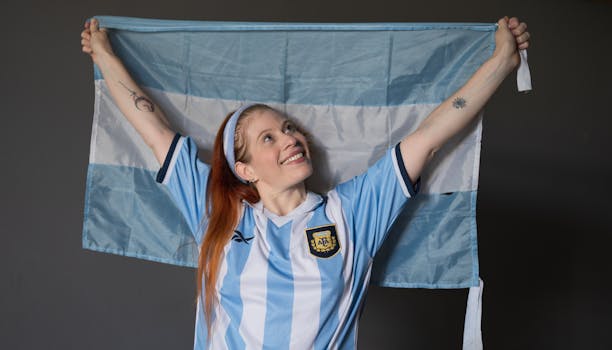
World Cup jerseys often walk a fine line between honoring tradition and embracing modern design trends. Some nations, such as Germany and Argentina, favor classic looks—Germany’s horizontal stripes or Argentina’s sky blue and white vertical stripes are enduring icons.
Other teams are bolder in their approach. Nigeria’s aforementioned 2018 kit, with its zig-zag pattern and vibrant green, broke sales records and was lauded for its daring design. Japan’s 2022 home jersey featured origami-inspired patterns, blending cultural heritage with contemporary flair.
Retro revivals are also popular. For World Cup 2022, England’s away kit drew inspiration from the 1990s, while Mexico’s away kit paid homage to Aztec mythology with intricate feathered serpent graphics.
Sponsorship and manufacturer branding also play a role, with Adidas, Nike, and Puma designing over 85% of World Cup kits in 2022. These brands often introduce limited-edition releases or player-specific versions, further fueling fan excitement.
Symbolism and Storytelling: More Than Meets the Eye
Beneath the surface, many World Cup jerseys are rich in symbolism. Designers frequently embed subtle references to national achievements, local culture, or historical milestones.
For example, Croatia’s checkered design is derived from its national coat of arms, instantly marking the team as unique on the world stage. In 2022, Senegal’s jersey incorporated a “Lions” motif, referencing the team’s nickname, Les Lions de la Teranga.
Spain’s 2022 away kit featured wave patterns symbolizing the Mediterranean Sea, while Belgium’s “Red Devils” incorporated flames on their sleeves. Even the number of stars above a crest tells a story: each represents a World Cup win, as seen on Brazil’s five-star badge or Germany’s four.
These narrative details turn jerseys into conversation starters and cherished collectibles—especially when a particular kit accompanies a historic tournament win.
Fan Influence and Global Impact
World Cup jerseys aren’t just for players—they’re vital components of fan culture and international fashion. The global market for football jerseys reached an estimated $5.7 billion in 2022, with World Cup years often seeing spikes in sales of over 20% compared to non-tournament years.
Fan input is increasingly shaping design choices. Social media campaigns, feedback on prototypes, and public design contests are now standard practice for leading brands. For Nigeria’s 2018 kit, Nike reported over 3 million pre-orders before the tournament even began—in stark contrast to the average 100,000 per team for most other jerseys.
Jerseys also play a role in social and political messaging. For example, Denmark’s 2022 kit featured a deliberately muted design to protest human rights concerns in the host nation, while Germany’s “One Love” armbands symbolized support for inclusivity.
The impact of these jerseys extends far beyond the pitch, influencing streetwear trends and fostering national pride even among those who don’t follow football closely.
Comparative Overview: World Cup Jerseys at a Glance
To illustrate the diversity and defining features of World Cup jerseys, here’s a comparative table highlighting key attributes among select notable teams from recent World Cups:
| Team | Primary Colors | Iconic Symbol/Pattern | Kit Manufacturer (2022) | Special Feature |
|---|---|---|---|---|
| Brazil | Yellow, Green | Flag-inspired design | Nike | “Canarinho” tradition since 1954 |
| Germany | White, Black | Horizontal stripes | Adidas | Lightweight, seamless tech (140g) |
| Nigeria | Green, White | Zig-zag pattern (2018) | Nike | Record-breaking 3M pre-orders |
| France | Blue, White, Red | Tricolor motif | Nike | Subtle Gallic rooster crest |
| Croatia | Red, White | Checkered pattern | Nike | Based on national coat of arms |
| Japan | Blue, White | Origami-inspired design (2022) | Adidas | Lightweight, cultural symbolism |
This table underscores how each nation’s jersey can be instantly recognizable, yet uniquely tailored through a mix of history, identity, technology, and creativity.
What Sets World Cup Jerseys Apart: Final Takeaways
The jerseys of different national teams at the World Cup are much more than uniforms. They’re emblems of national pride, technological achievements, and cultural storytelling. Whether it’s Brazil’s vibrant yellow, Germany’s precision-engineered fabrics, or Nigeria’s viral patterns, every kit brings something distinctive to the global stage.
The evolution of design, the embrace of innovation, and the integration of symbolism ensure that no two jerseys are ever quite the same. For fans and players alike, these kits are touchstones—reminders of past glories, present ambitions, and the unifying power of sport. The next time you see a World Cup match, take a moment to appreciate not just the skill on display, but also the stories woven into the shirts worn by the world’s best teams.