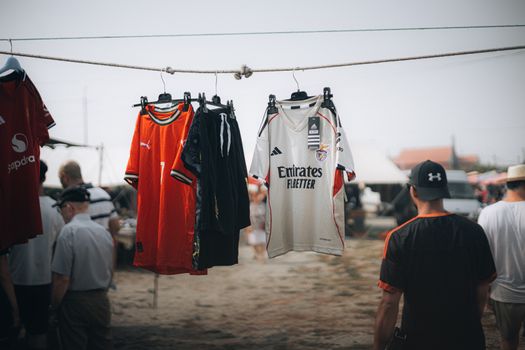
Soccer jerseys have always been more than just uniforms on the field. They are a visual language through which clubs, nations, and fans express pride, identity, and style. In recent years, the world of soccer jersey design has experienced a remarkable transformation, driven by evolving cultural trends and shifting societal values. From sustainability movements to the resurgence of retro aesthetics, the jerseys players wear today tell stories far beyond the pitch. Let’s explore how contemporary culture is shaping what we see on soccer fields worldwide and why these trends matter to fans, brands, and the sport itself.
Cultural Movements and Social Messages on the Pitch
One of the most striking shifts in modern soccer jersey design is the integration of cultural movements and social messages. No longer are jerseys just about team colors or sponsor logos; they have become canvases for broader societal conversations.
For example, in 2020, several major European clubs, including Liverpool and Borussia Dortmund, added the Black Lives Matter slogan or related symbols to their kits, highlighting the sport’s commitment to social justice. Similarly, rainbow armbands and limited-edition Pride jerseys have become increasingly common, showing support for LGBTQ+ inclusion in soccer. These designs are often timed with international awareness days or campaigns, helping clubs engage with global audiences and reflect the values of their diverse fanbases.
.png)
The influence extends to national teams as well. During the 2022 FIFA World Cup, the German national team’s jersey featured subtle references to diversity and inclusion, such as a rainbow-colored captain’s armband, sparking both support and controversy. These examples illustrate how cultural trends are pushing soccer jersey designers to think beyond tradition and embrace symbols that resonate with contemporary audiences.
Retro Revival: Nostalgia Meets Modern Fashion
Nostalgia is a powerful force in fashion, and soccer jerseys are no exception. Over the past decade, there has been a significant resurgence of retro-inspired designs, as clubs and manufacturers tap into the emotional connection fans have with iconic kits of the past.
Classic patterns from the 1980s and 1990s—think bold geometric shapes, vivid colors, and oversized logos—have made a comeback. Adidas, for example, reissued its 1990 West Germany jersey in 2018, which quickly became a best-seller thanks to its historical significance and distinctive look. Similarly, Nike’s 2022 Nigeria kit drew global acclaim for its modern twist on traditional Nigerian patterns, blending heritage with contemporary style.
This retro revival is not just about aesthetics; it’s a strategic response to the growing appetite among younger fans for unique, statement-making apparel. According to a 2023 report by Statista, the global vintage sportswear market was valued at over $4.7 billion, with soccer jerseys being a major contributor. By blending past and present, clubs can appeal to older fans’ memories while capturing the imagination of new generations.
Globalization and the Fusion of Local Identities
Soccer is the world’s most popular sport, and its global reach is reflected in jersey design. In recent years, there has been a noticeable trend toward celebrating local identities while appealing to international audiences. This fusion of global and local is often referred to as “glocalization.”
Take the example of the 2023 Paris Saint-Germain (PSG) home kit, which incorporated elements of Parisian architecture and the French tricolor, but was released as part of a campaign featuring international stars and streetwear influencers. Meanwhile, the Mexican national team’s 2022 World Cup jersey featured Aztec-inspired patterns, paying homage to indigenous history and culture, while leveraging the worldwide popularity of Mexican footballers.
Manufacturers are increasingly collaborating with local artists and designers to create limited-edition kits that resonate with specific communities. This trend not only strengthens club identity but also broadens the appeal of jerseys as lifestyle and fashion items. In Japan, for example, J.League teams have released “city edition” kits featuring motifs from local festivals, landmarks, or traditional crafts—turning each jersey into a wearable piece of cultural storytelling.
Sustainability: Eco-Friendly Innovations in Soccer Jerseys
Environmental consciousness has become a defining trend in the apparel industry, and soccer jersey design is no exception. Fans and clubs alike are demanding more sustainable products, prompting manufacturers to adopt innovative materials and processes.
Leading the way, Adidas pledged to make all its products from recycled polyester by 2024. In 2022, more than 70% of Adidas soccer jerseys were already made with Primegreen, a high-performance recycled material. Nike’s “Move to Zero” initiative introduced jerseys made from 100% recycled polyester, with each kit reportedly saving an average of 18 plastic bottles from landfill.
This shift is not just about materials. Water-saving dye processes, reduced packaging, and carbon-neutral shipping are becoming industry standards. According to FIFA, sustainability was a key criterion for official World Cup merchandise in 2022, with many national teams’ kits incorporating recycled content and eco-friendly production methods.
The trend toward sustainability is also changing how fans perceive value. A 2023 survey by Nielsen found that 61% of soccer fans were willing to pay more for jerseys manufactured with sustainable practices, highlighting the growing importance of environmental values in consumer decision-making.
Technology and Customization: Personal Expression in Jersey Design
Technological innovation is opening new doors for soccer jersey design, making it easier than ever for clubs and fans to personalize and experiment. Digital printing, 3D modeling, and advanced fabrics have transformed the possibilities for both performance and style.
Clubs now routinely offer “fan edition” kits, allowing supporters to choose custom names, numbers, and even unique design elements. Some brands, like Puma, have experimented with augmented reality (AR) features embedded in jersey graphics—fans can scan the shirt with a smartphone to unlock exclusive digital content or interactive experiences.
Technology is also shaping performance. Lightweight, moisture-wicking, and breathable fabrics are now standard, with data-driven design optimizing fit and comfort for athletes. These advancements are often showcased in marketing campaigns, blending technical prowess with aesthetics to appeal to both players and fans.
The demand for customization reflects wider cultural trends toward personal expression and individuality. In 2022, Football Shirt Culture reported that nearly 30% of jersey sales at major retailers involved some form of customization, whether through name/number printing or special edition designs.
Comparing Key Cultural Trends in Soccer Jersey Design
To highlight how these cultural trends are influencing the industry, here is a comparison of their impact based on recent data and examples:
| Trend | Key Example | Market Impact (2022-2023) | Influence on Fans |
|---|---|---|---|
| Social Messaging | BLM slogans, Pride kits | Over 10 clubs released social cause-themed kits | Increased engagement on social media; higher sales during awareness campaigns |
| Retro Revival | Adidas 1990 West Germany reissue | Vintage market valued at $4.7B globally | Younger fans driving retro kit sales; nostalgia among older fans |
| Glocalization | PSG Parisian themes, Japan’s city kits | More than 15 top clubs released locally-inspired limited editions | Strengthens club identity; appeals to global fashion trends |
| Sustainability | Adidas Primegreen, Nike Move to Zero | 70%+ of new jerseys feature recycled materials | 61% of fans willing to pay more for sustainable jerseys |
| Customization/Tech | AR-enabled kits, custom fan editions | 30% of online sales involve customization | Fans express individuality, drive innovation |
The Lasting Impact of Cultural Trends on Soccer Jerseys
The influence of cultural trends on soccer jersey design is reshaping not only what players wear on the field but also how fans connect with their teams and the sport as a whole. Today’s jerseys reflect a broader set of values—social awareness, environmental responsibility, local pride, and personal expression—making them powerful symbols both in and outside stadiums.
This evolution shows no sign of slowing down. As technology continues to advance, and as clubs and brands become more attuned to the cultural pulse, we can expect soccer jerseys to remain at the cutting edge of fashion, activism, and innovation. Whether you’re a lifelong supporter or a new fan, these trends ensure that every soccer jersey tells a unique story—one woven from the threads of culture, history, and hope for the future.