Understanding the Detailed Craftsmanship of Football Jersey Production
Football jerseys represent much more than athletic apparel. They embody the spirit, dedication, and identity of teams and their fans worldwide. Yet, behind every jersey, there is a complex and often underappreciated process involving meticulous labor and craftsmanship. This article explores the intricate journey of football jersey production, shedding light on the dedicated efforts required to bring these garments from concept to reality.
Design and Material Selection
.png)
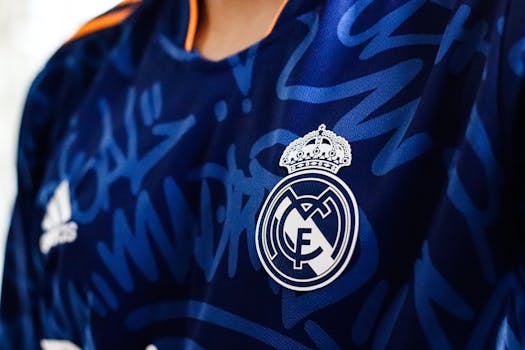
The production process begins with an in-depth design phase. Designers collaborate closely with football teams to ensure that the jerseys resonate with the team's ethos and history. This stage involves selecting appropriate colors, patterns, and integrating technological features aimed at enhancing the athlete's performance. The chosen materials must be lightweight, breathable, and robust enough to endure the intense nature of a football game. Polyester mesh is frequently selected for its moisture-wicking properties, helping players remain dry and comfortable during play.
Manufacturing and Skilled Labor
Manufacturing football jerseys is a labor-intensive task requiring precision and craftsmanship. This phase typically occurs in factories based in regions with lower labor costs. Here, skilled workers cut, sew, and assemble the jerseys, adhering to high standards of quality to ensure the final product can withstand the physical demands of the sport. The stitching, crucial for durability, must be exceptionally robust, a testament to the skill and attention to detail of the garment workers.
Quality Control and Ethical Considerations
Quality control is paramount in the jersey production process. Each piece undergoes a thorough inspection to check for any defects in stitching, color consistency, and fabric quality. This step is vital to uphold the brand's reputation and ensure consumer satisfaction. However, the high expectations and strict deadlines can place immense pressure on factory workers, underscoring the importance of ethical labor practices within the industry.
Logistics and Distribution
Beyond manufacturing, substantial effort goes into the logistics of distributing football jerseys. This includes packaging, storing, and shipping the jerseys efficiently to ensure they reach retailers and fans in pristine condition. The coordination required at this stage is critical and demands acute attention to detail.
Marketing and Promotion
The unseen labor extends into the marketing realm, where teams work diligently to promote the jerseys. Utilizing platforms like social media, advertisements, and partnerships with influencers, marketing professionals strive to connect with and expand the fan base, ultimately driving sales.
Embracing Sustainability
With growing environmental concerns, sustainability has become a key focus in jersey production. More manufacturers are turning to recycled materials and adopting sustainable practices throughout their production lines. This not only helps reduce the environmental footprint but also aligns with the values of eco-conscious consumers.
Conclusion
The creation of football jerseys encompasses a wide array of detailed and unseen labor—from the initial design phase to the final steps of marketing. Each stage is crucial in ensuring that the jerseys not only meet the functional requirements of the athletes but also capture the hearts of fans worldwide. As consumers, recognizing and valuing the extensive labor and ethical practices involved in jersey production is essential. Moreover, supporting brands that prioritize sustainability can contribute to a more responsible fashion industry.