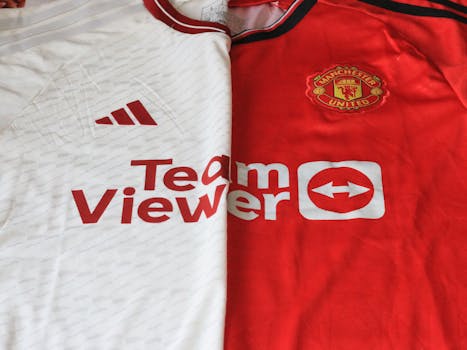
The Psychological Impact of Wearing a Football Jersey: Identity, Belonging, and Behavior
Few items of clothing evoke as much passion, loyalty, and emotion as a football jersey. Whether it’s the iconic stripes of Juventus, the deep reds of Manchester United, or the blue of Chelsea, pulling on a football shirt is more than a fashion statement or a show of support—it’s a powerful psychological experience. But what really happens to our minds when we don the colors of our favorite team? This article delves deep into the psychological impact of wearing a football jersey, exploring how it shapes identity, fosters belonging, influences behavior, and even affects performance and well-being.
The Football Jersey as a Symbol of Identity
Wearing a football jersey often marks the transition from casual observer to invested participant in the sport’s culture. Studies show that affiliation with a sports team becomes a key aspect of self-identity. According to a 2017 survey by Statista, 61% of football fans worldwide own at least one team jersey, and many consider it an essential part of their identity.
When fans or players put on a jersey, they’re not just displaying team colors—they’re expressing a part of who they are. This phenomenon is rooted in the concept of “social identity theory,” developed by Henri Tajfel in the 1970s. The theory posits that people define themselves based on the groups to which they belong, and visible symbols like jerseys reinforce this sense of belonging. For many, a football jersey is a wearable declaration: “This is my tribe.”
.png)
The effects are even more pronounced among younger fans. Research published in the Journal of Sport Behavior found that teenagers who wear their team’s jersey report higher levels of self-esteem and social confidence, often feeling more accepted within their peer groups.
Belonging, Community, and Camaraderie
One of the most profound psychological effects of wearing a football jersey is the immediate sense of connection it creates with others. In stadiums, sports bars, or even on the street, fans wearing the same jersey often exchange nods, smiles, or spontaneous conversations—a phenomenon known as “enclothed cognition.” This term, coined by psychologists Hajo Adam and Adam Galinsky, describes how clothing can influence social interactions and self-perception.
A 2021 survey by the European Football Association revealed that 74% of fans feel a stronger bond with other supporters when wearing their team’s jersey. This shared uniform creates a sense of unity, breaking down social barriers and fostering friendships. In group settings, such as matches or viewing parties, jerseys act as a social glue, making it easy for strangers to strike up conversations and feel part of a collective experience.
Football clubs themselves have long recognized the jersey’s power to unite, often launching special editions or anniversary kits that tap into nostalgia and shared history. These initiatives are not just marketing strategies—they are psychological tools for deepening fan engagement.
Behavioral Changes and Performance Effects
The psychological impact of wearing a football jersey extends beyond social connection and identity—it can also influence the way people behave. In sports psychology, the “enclothed cognition” effect goes further: athletes and fans alike report feeling more confident, motivated, and energized in their team kit.
A landmark 2012 study in the Journal of Experimental Social Psychology found that people wearing a sports jersey associated with winning or high-performance teams performed up to 12% better on endurance and teamwork tasks than those wearing neutral clothing. The simple act of wearing a jersey appears to trigger a mental shift, promoting increased focus and a sense of responsibility.
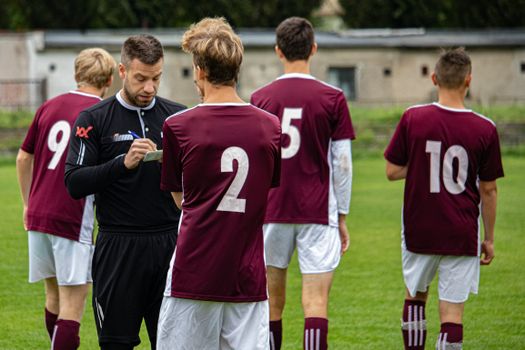
This effect is not limited to professional athletes. Amateur players and even children report feeling more motivated and “in character” when dressed in their team’s kit. Anecdotal evidence from youth coaches suggests that players are more likely to display sportsmanship and cooperative behavior when wearing official jerseys, compared to practice bibs or plain shirts.
Emotional Well-Being and Coping Mechanisms
Football can be an emotional rollercoaster, with jubilant highs and crushing lows. For many fans, their jersey becomes a source of comfort during tough times, serving as a tangible link to community and shared hope. During the COVID-19 pandemic, for example, online retailers reported a 30% surge in football jersey sales as fans sought ways to maintain their connection with the sport despite empty stadiums.
Wearing a jersey during difficult periods can act as a psychological anchor, reminding individuals of happier moments or giving them a sense of continuity and belonging. Some psychologists even compare this to the function of “transitional objects” in childhood—items that provide security and help manage anxiety.
Moreover, research from the University of Sussex found that fans who wear their team’s jersey during matches experience higher levels of emotional engagement but are also better equipped to cope with defeat, as the shared experience of loss is mitigated by the visible presence of fellow supporters.
Comparing Psychological Effects: Fans vs. Players
The psychological impact of wearing a football jersey is experienced differently by fans and players. While both groups benefit from increased belonging and confidence, their motivations and emotional responses often diverge. The following table summarizes key differences:
| Aspect | Fans | Players |
|---|---|---|
| SENSE OF IDENTITY | Strengthens group affiliation and personal identity as a supporter | Emphasizes role as team representative; links to athletic identity |
| EMOTIONAL RESPONSE | Boosts mood, provides comfort, and enhances emotional highs/lows | Increases motivation, focus, and performance pressure |
| SOCIAL CONNECTION | Facilitates bonding with other fans; creates instant camaraderie | Promotes teamwork and unity within the squad |
| BEHAVIORAL CHANGES | Encourages prosocial behavior and fan rituals | Promotes discipline, cooperation, and “game face” mentality |
| IMPACT OF DEFEAT | Shared experience of loss, mitigated by visible unity | Personal accountability, but also collective resilience |
The Dark Side: Rivalries, Exclusion, and Over-Identification
While the psychological benefits of wearing a football jersey are substantial, there can also be negative consequences. Over-identification with a team can lead to intense rivalries, tribalism, and even hostility toward opposing fans. Incidents of violence and verbal abuse at matches are often linked to the strong feelings of identity and “us versus them” mentality that team colors can provoke.
A 2018 study from the University of Oxford found that fans wearing rival jerseys were 48% more likely to be subjected to negative comments or exclusion in certain social settings. Furthermore, extreme identification with a team can sometimes lead to unhealthy emotional dependencies, where a person’s mood and self-worth are overly tied to the team’s performance.
Clubs and governing bodies are increasingly aware of these risks and have launched campaigns to promote respect, inclusion, and sportsmanship, emphasizing that the jersey should symbolize unity rather than division.
Final Reflections: The Enduring Power of the Football Jersey
From the terraces of Europe’s biggest stadiums to local parks and living rooms around the world, the football jersey is far more than a piece of athletic apparel. Its psychological impact is profound—shaping identity, fostering belonging, influencing behavior, and providing comfort in times of need. Whether worn by a lifelong supporter or a first-time player, the jersey has the power to transform individuals and unite communities.
Yet, it’s important to recognize both the light and the shadows that come with this powerful symbol. While the sense of identity and camaraderie it fosters is overwhelmingly positive, awareness of potential downsides—tribalism, exclusion, and over-identification—ensures that the jersey’s power is harnessed for good.
In the end, pulling on a football shirt is an act rich with meaning, emotion, and psychological significance—a tradition that will continue to inspire, unite, and challenge fans and players for generations to come.