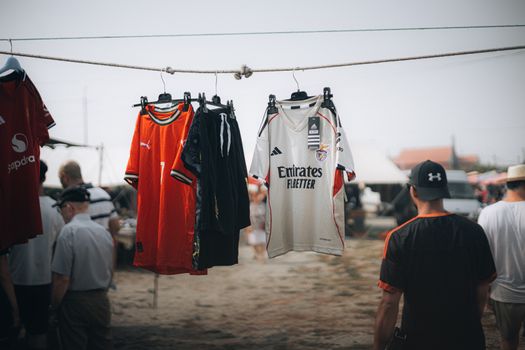
Football jerseys are more than just athletic apparel—they are a vibrant symbol of team identity, history, and culture. Every match, fans and players alike pay close attention to what their team wears, especially the distinction between home and away kits. But what exactly sets home and away football jerseys apart? Why do teams need different kits, and how have these differences evolved over time? In this comprehensive guide, we’ll unpack the key differences between home and away football jerseys, touch on historical roots, modern trends, and the practical rules that govern their design and use.
The Origins of Home and Away Jerseys in Football
The concept of separate home and away jerseys dates back over a century. In the early days of football, teams often wore whatever colors they fancied, which occasionally led to confusion when two similarly colored teams faced off. To solve this, the idea of distinct kits was introduced.
By the 1920s, the English Football League mandated that all teams have a change strip (now known as the away kit). This was vital to prevent color clashes, ensuring clear visibility for players, referees, and spectators. Today, this is a standard practice worldwide, governed by strict league and tournament regulations. For example, FIFA’s Equipment Regulations require that each team have at least two kits with contrasting colors to be used as needed.
.png)
A fun historical fact: Arsenal’s famous red home shirts and white sleeves were designed in the 1930s to set them apart, while their away colors (traditionally yellow and blue) became iconic in their own right. These choices were not just practical but also rooted in club traditions.
Key Differences Between Home and Away Football Jerseys
At its core, the main difference between home and away football jerseys lies in their intended use and design:
Home Jerseys: - Worn primarily during matches when the team is playing at their own stadium. - Typically feature the club’s primary colors and emblematic designs. - Serve as the most recognizable symbol of the team’s identity. Away Jerseys: - Used when playing at an opponent’s stadium, especially if there is a color clash with the home team. - Often incorporate alternative colors or designs to ensure clear contrast. - Allow for creative or experimental designs, sometimes diverging significantly from the home kit.Let’s look at a practical example: Manchester United’s home jersey is almost always red, while their away kits have varied from white to black, blue, or even gold over the years. This flexibility in away kits ensures no two teams look too similar on the field.
Rules and Regulations Governing Football Jerseys
Designing and wearing football jerseys isn’t just a matter of fashion. There are strict rules enforced by governing bodies like FIFA, UEFA, and national leagues. These regulations dictate when and how home and away kits are used.
Key rules include: - Home teams generally have the “first choice” of kit, wearing their primary (home) colors. - Away teams must wear a kit that contrasts with both the home team and the match officials’ uniforms. - If neither the home nor away kit is sufficiently different, teams may use a third (alternate) kit. - Jersey numbers, sponsor logos, and player names must be clearly visible and adhere to size and placement standards.For example, during the 2018 FIFA World Cup, FIFA strictly enforced color contrast rules to prevent confusion for players and television audiences. As a result, teams sometimes wore away or even third kits, even when playing at home grounds.
Design Trends: Tradition vs. Innovation in Jersey Colors
Tradition plays a huge role in home jerseys. Clubs like FC Barcelona (blue and garnet), Juventus (black and white stripes), and Liverpool (all red) have worn essentially the same home colors for decades. Fans associate these colors directly with the club’s identity, and any deviation is often met with protest.
Away jerseys, on the other hand, are a canvas for experimentation. Clubs and manufacturers use them to test new patterns, bold color schemes, and innovative materials. For example: - Real Madrid’s away kits have ranged from deep navy to vivid pink in recent years. - Inter Milan’s 2021-22 away kit featured a snake motif, referencing the club’s nickname "Il Biscione." - In the Premier League, Norwich City’s away kits have included everything from black to purple, despite their traditional home yellow and green.This creative freedom in away jersey design not only helps avoid color clashes but also drives merchandise sales. In 2021, Adidas reported a 15% year-on-year increase in football jersey sales, much of which was attributed to the popularity of unique away kits.
Comparing Home and Away Football Jerseys: A Side-by-Side Look
To better illustrate the differences, here’s a comparison table showing the main distinctions between home and away jerseys:
| Aspect | Home Jersey | Away Jersey |
|---|---|---|
| Primary Use | Home games at team's stadium | Games at opponent's stadium or color clash situations |
| Color Scheme | Club's traditional/main colors | Alternative or contrasting colors |
| Design Consistency | Rarely changes; stays close to club tradition | Changes frequently; allows for creative expression |
| Fan Recognition | Instantly recognizable; strong association with club identity | Less iconic; sometimes polarizing among fans |
| Sales & Marketing | Steady sales from loyal fans | Often drives new sales due to novelty and limited editions |
| Regulatory Requirement | Yes (must be registered with league) | Yes (must contrast with home kit and referee attire) |
Third Kits and Special Editions: The Expanding World of Football Jerseys
While home and away jerseys remain staples, many teams have introduced third kits or special edition uniforms in response to regulatory needs and commercial demands. The third kit serves as an additional backup, used when both home and away kits might clash with the opponent’s colors.
For example, during the 2013-14 English Premier League season, Chelsea’s third kit was black with neon yellow trim—a stark contrast to their traditional blue (home) and white (away) kits. Some clubs, like Juventus, have even released fourth kits for special occasions or collaborations, such as their tie-in with streetwear brand Palace.
Special edition kits also commemorate anniversaries, charity initiatives, or historic achievements. In 2020, Barcelona released a split jersey to celebrate the club’s 120th anniversary, combining home and away elements. These unique jerseys often become collector’s items, with limited production runs and high resale value.
The Impact on Fans and Football Culture
For fans, home jerseys are a badge of loyalty. Wearing the team’s home colors in the stands or on the street is a way to show allegiance and connect with generations of supporters. Away jerseys, meanwhile, offer variety and a chance for fans to express their personal style or support for a specific season or campaign.
The rise of replica jerseys has made it easier for fans worldwide to own both home and away shirts. According to a 2022 report by Grand View Research, the global sports apparel market—including football jerseys—was valued at $193.6 billion, with football jerseys accounting for a significant share. The surge in online sales and international fanbases means clubs now design kits with global audiences in mind.
Final Thoughts on the Difference Between Home and Away Football Jerseys
The distinction between home and away football jerseys is rooted in tradition, practicality, and constant innovation. While home kits anchor a club’s identity and history, away kits provide a platform for creativity and adaptation. Both play a vital role in football’s visual culture, helping teams stand out on the field and giving fans fresh ways to celebrate their passion.
As football evolves, so too will the jerseys—balancing respect for tradition with the excitement of new designs and technologies. Whether you’re a player, a collector, or a passionate supporter, understanding the story behind each kit adds depth to every matchday experience.