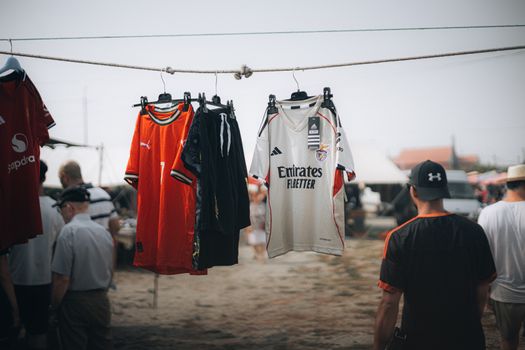
Football Jerseys and Ecology: How Brands Consider Sustainability
Football jerseys are more than just symbols of team pride; they are cultural icons, revenue generators, and now, key battlegrounds in the fight for environmental sustainability. With over 5 billion football fans worldwide and global jersey sales estimated to top $2.5 billion annually, the production and distribution of football kits have a significant environmental footprint. Today, leading brands and clubs are rethinking how jerseys are made and marketed, aiming to reduce waste, conserve resources, and appeal to eco-conscious fans. This article explores how brands are integrating sustainability into football jerseys, the materials and processes involved, and what this means for the future of the beautiful game.
The Environmental Impact of Traditional Football Jerseys
To understand why sustainability matters in football jerseys, it's important to consider the traditional manufacturing process. Most jerseys are made from polyester, a synthetic fiber derived from petroleum. It’s lightweight, durable, and ideal for athletic performance—but it comes at a cost.
The production of polyester is energy-intensive, releasing approximately 9.52 kg of carbon dioxide per kilogram produced. Globally, the textile industry contributes to around 10% of total carbon emissions. Additionally, polyester is non-biodegradable: a single jersey can take up to 200 years to decompose in a landfill. The dyeing and finishing of fabrics also use vast quantities of water and chemicals, leading to water pollution and habitat destruction.
.png)
With millions of jerseys produced each season and frequent kit changes, the cumulative ecological effect is staggering. This has prompted brands and clubs to search for greener alternatives.
Innovative Materials: From Recycled Plastics to Organic Fibers
The shift toward sustainable football jerseys starts with the choice of materials. In recent years, major brands like Adidas, Nike, and Puma have invested heavily in research and development to create eco-friendly fabrics.
One of the most prominent innovations is the use of recycled polyester, often sourced from discarded plastic bottles. For instance, Adidas claims that its Primegreen jerseys, worn by top clubs like Manchester United and Real Madrid, are made with 100% recycled polyester. Each jersey can divert up to 18 plastic bottles from landfills and oceans.
Nike’s “Move to Zero” campaign is another example, with their VaporKnit jerseys featuring at least 50% recycled polyester. In 2020 alone, Nike repurposed over 1 billion plastic bottles for its apparel. Besides recycled plastics, some brands are experimenting with organic cotton and bamboo fibers, which require fewer pesticides and less water.
Still, challenges remain. Recycled polyester, while reducing waste, does not eliminate microfiber pollution—tiny plastic particles shed during washing. As a result, research continues into biodegradable synthetics and innovative blends that combine performance with minimal ecological impact.
Eco-Friendly Production: Reducing Water, Energy, and Chemical Use
Material innovation is only one part of the sustainability puzzle. The production stage also consumes vast resources, particularly water and energy. Traditional dyeing can require up to 150 liters of water per kilogram of fabric, contributing to water scarcity and pollution in manufacturing hubs.
To address this, brands are adopting waterless dyeing technologies. Adidas, for example, has implemented “Dope Dye” in select jerseys, a process that colors fibers before they are spun into yarn. This can reduce water use by up to 60% compared to conventional methods.
Energy efficiency is another focus. Factories are increasingly powered by renewable sources, and processes are optimized to reduce emissions. For instance, Puma has set targets to cut greenhouse gas emissions by 35% by 2030, partly by modernizing its manufacturing facilities.
Moreover, some brands have eliminated hazardous chemicals in line with the Zero Discharge of Hazardous Chemicals (ZDHC) program. This not only protects workers and local communities but also ensures that finished jerseys are safer for consumers.
Packaging, Distribution, and the Circular Economy
Sustainability doesn’t end when the jersey leaves the factory. Packaging and distribution are also critical. A 2022 study found that packaging accounts for up to 10% of the total carbon footprint of apparel products.
Many brands have transitioned to recyclable or compostable packaging. Nike, for example, uses boxes made from 90% recycled content, while Adidas has pledged to eliminate virgin plastic from its packaging by 2025.
In terms of distribution, efforts to streamline logistics—such as shipping by sea instead of air—can cut emissions significantly. Some clubs are also encouraging local sourcing and production to reduce transportation distances.
The concept of the circular economy is gaining traction as well. Rather than a take-make-dispose model, brands are designing jerseys for longevity, repair, and recyclability. Initiatives like Adidas’ “Infinite Play” and Nike’s “Reuse-A-Shoe” program offer fans opportunities to return old gear for recycling or refurbishment.
How Clubs and Fans Are Driving Sustainable Change
While brands play a leading role, football clubs and fans are increasingly influential in promoting sustainability. Clubs such as Real Betis and Forest Green Rovers have made sustainability a core value, introducing kits made from recycled materials and offsetting their carbon emissions.
Forest Green Rovers, recognized by FIFA as the world’s greenest football club, launched a jersey made from a blend of bamboo and recycled polyester in 2021. This not only reduced the environmental impact but also garnered significant media attention, demonstrating the power of eco-friendly innovation to enhance a club’s image.
Fans, too, are demanding more sustainable options. According to a 2021 UEFA survey, 65% of football supporters in Europe said they would pay more for eco-friendly merchandise. Social media campaigns and grassroots initiatives are putting pressure on both clubs and brands to prioritize the environment in their merchandise strategies.
Comparing Major Football Brands on Sustainability
To illustrate the progress and differences among leading football brands, the following table provides a snapshot of their sustainability initiatives as of 2024:
| Brand | Jersey Material | Water Reduction | Renewable Energy Use | Packaging Initiatives | Circular Economy Programs |
|---|---|---|---|---|---|
| Adidas | 100% recycled polyester (Primegreen) | Dope Dye (up to 60% less water) | Targeting 100% renewable by 2025 | Eliminating virgin plastic by 2025 | Infinite Play product returns |
| Nike | 50%+ recycled polyester (VaporKnit) | Water-efficient dyeing in select lines | 50% renewable energy in manufacturing | 90% recycled packaging content | Reuse-A-Shoe recycling |
| Puma | At least 75% recycled polyester (ULTRAWEAVE) | Water-saving dye technologies | 35% emissions reduction goal by 2030 | Recycled packaging materials | Repair and recycling pilot programs |
The Future of Eco-Friendly Football Jerseys
Sustainability in football jerseys is not a passing trend—it’s rapidly becoming a new industry standard. As climate concerns grow and regulations tighten, brands will be required to innovate further.
Future developments may include truly biodegradable jerseys, closed-loop recycling systems, and smart fabrics that monitor environmental impact. Digital technologies, such as blockchain, could enable fans to trace the life cycle of their jersey from bottle to pitch.
Moreover, the growing resale and rental economy for sports merchandise could extend the lifespan of jerseys, reducing overall demand for new products. With FIFA and UEFA now integrating environmental criteria into major tournaments, the pressure is on clubs and brands to deliver sustainable solutions at scale.
Ultimately, the intersection of football, fashion, and ecology offers a powerful platform for raising awareness and driving positive change. As more fans, players, and organizations get involved, the game’s influence could extend far beyond the pitch—helping to create a greener, more sustainable future for all.