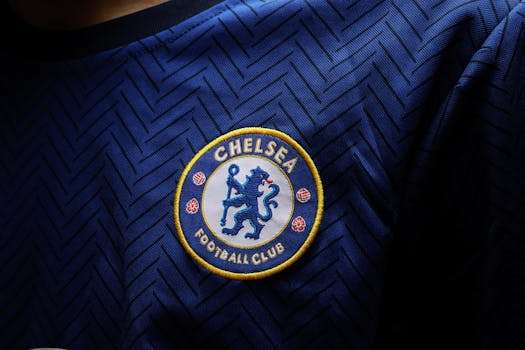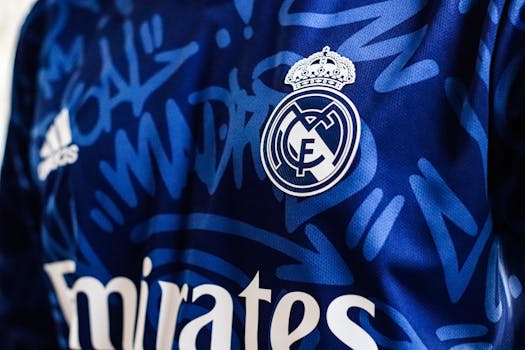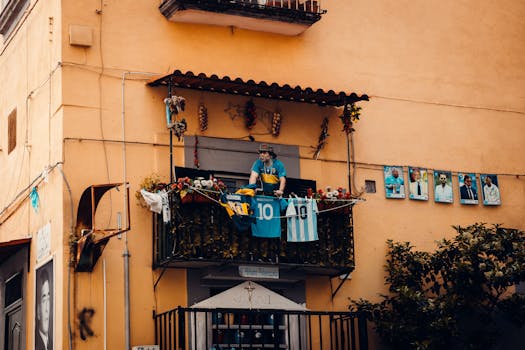
The resurgence of retro designs in modern football jerseys is not just a fleeting fashion trend but a strategic move that taps into the rich history and emotional roots of football clubs. This blending of old and new has become a significant aspect of sports apparel, influencing both fan engagement and commercial success.
Historical Inspiration in Modern Apparel
Traditionally, football jerseys served functional purposes, focusing on player comfort and endurance on the field. However, with the global growth of football as a sport and a cultural phenomenon, the aesthetic appeal of jerseys gained prominence. Modern jerseys now often draw inspiration from historic designs, incorporating vintage colors, logos, and patterns. This approach not only honors a club’s heritage but also revitalizes its brand and identity in the contemporary market.
.png)
Advantages and Disadvantages of Retro Influences
Incorporating retro designs into modern football jerseys offers numerous advantages. Primarily, it strengthens the emotional bond between the club and its supporters, evoking memories of past triumphs and legendary players. This connection can significantly enhance merchandise sales, as fans are often drawn to jerseys that represent specific eras of their club's history.
However, the integration of retro elements with modern aesthetics doesn't always appeal to everyone. Younger fans, in particular, might lack the historical context and thus the emotional connection to earlier designs. Furthermore, combining advanced fabric technologies with vintage designs can be technically challenging, requiring designers to innovate without compromising the authenticity of the retro appeal.
Practical Examples
The reintroduction of retro elements has been successfully executed by numerous football clubs around the world. For example, Manchester United’s recent kits feature elements from the 1980s, such as the return of classic Adidas designs and nostalgic collar styles, which have received positive reactions from fans. Another notable example is FC Barcelona, which adopted a design inspired by its 1920s jerseys for the 2020/2021 season, blending rich history with modern textile technology.
Conclusion and Recommendations
The trend of incorporating retro designs into modern football jerseys demonstrates the enduring influence of history in sports culture. For clubs considering new jersey releases, adopting a retro-inspired approach can not only enhance brand identity but also deepen fan loyalty and increase sales. It is essential, however, to achieve a thoughtful balance between historical homage and contemporary style to attract a wide range of fans.
As the worlds of fashion, technology, and sports continue to intersect, the evolution of football jerseys will likely continue to be influenced by both past and present elements. This dynamic fusion keeps the spirit of the game alive in the fabric of the jerseys themselves, making each kit release a celebrated event among fans and collectors alike. Whether as a fan, player, or designer, the ongoing interplay between retro and modern styles in football jersey design offers a unique lens through which to view the sport’s evolution and enduring appeal.