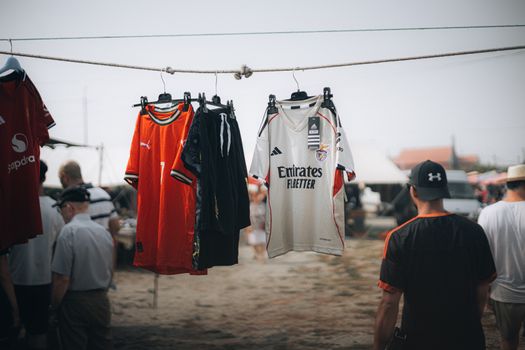
Soccer, or football as it’s called in most of the world, is more than just a game—it’s a global phenomenon with a rich tapestry of traditions. Among the most recognizable symbols of this sport is the soccer jersey. From the muddy woolen shirts of the late 19th century to today’s high-tech, eco-friendly kits, soccer jerseys have a fascinating history. This evolution reflects changes in technology, fashion, and the sport itself. Let’s dive into the compelling story of soccer jersey design and function, exploring how they’ve transformed from simple team markers to cultural icons and feats of engineering.
The Humble Beginnings: Soccer Jerseys in the 19th and Early 20th Centuries
Soccer's roots stretch back to the mid-1800s, and so do the origins of its jerseys. The first teams often wore whatever was available—sometimes just colored sashes or caps to distinguish sides. It wasn’t until the 1870s that clubs started donning actual “uniforms.” These early jerseys were typically made from heavyweight cotton or wool, designed more for durability than comfort.
For example, England’s Nottingham Forest wore “Garibaldi red” flannel shirts in 1865, a nod to Italian revolutionary Giuseppe Garibaldi. By the 1880s, striped patterns and bold colors became common. There were no sponsors, numbers, or logos. Jersey design was about practicality and identification, not fashion or branding.
.png)
Functionally, these early shirts absorbed sweat and mud, becoming heavy and uncomfortable during play. The lack of standardized sizing also meant fit varied widely, affecting performance. Still, they marked a crucial first step toward the modern soccer jersey.
Mid-Century Innovation: Material Science and the Rise of Team Identity
The 20th century brought significant changes. By the 1950s, synthetic fabrics like nylon and polyester began replacing wool and cotton. These new materials offered several advantages:
- Lighter weight: Players could move more freely. - Faster drying: Jerseys didn’t stay soaked, reducing discomfort. - Enhanced durability: Synthetic fibers lasted longer, even after repeated washing.This period also saw the introduction of standardized numbering on jerseys, a practice first adopted in England in 1928 and soon spreading worldwide. Numbers made it easier for fans and officials to identify players—a crucial step as soccer became more organized and commercialized.
Club and national crests began to appear prominently, strengthening team identity. For example, Real Madrid added its iconic crown logo in 1920, while Brazil’s yellow jersey—a result of a 1953 design competition—became a symbol of national pride.
With the advent of television broadcasts in the 1950s and 60s, jersey colors and designs became even more important. Teams selected bolder contrasts to ensure visibility on black-and-white screens, further influencing design choices.
The Commercial Era: Branding, Sponsorship, and Fashion Influence
The late 1970s and 1980s ushered in the era of commercial soccer jerseys. The most significant development was the introduction of sponsor logos. German club Eintracht Braunschweig debuted the first sponsor-branded jersey in 1973, featuring the Jägermeister logo. This trend quickly spread across Europe and, by the 1980s, had become the norm.
Jersey manufacturers—Adidas, Umbro, Puma, and later Nike—began collaborating with clubs to produce distinctive designs. This period saw several key innovations:
- Sublimation printing: Allowed for complex graphics and colors. - Tailored fits: Jerseys became more form-fitting, enhancing performance and style. - Fashion crossovers: Teams like Juventus and AC Milan experimented with designer collaborations, blending sport and high fashion.By the 1990s, replica jerseys became a massive business. Fans around the world could buy the same shirts worn by their heroes, transforming the soccer jersey into a global fashion statement and lucrative revenue source. For example, Manchester United’s 1999 treble-winning kit sold over 1.5 million units globally.
Modern Marvels: High-Tech Jerseys and Performance Engineering
The 21st century has seen soccer jerseys evolve into high-performance athletic gear, thanks to advances in textile engineering and sports science. Today’s kits are designed to optimize player comfort, regulate temperature, and even enhance on-field performance.
Key technological features include:
- Moisture-wicking fabrics: Materials like Nike’s Dri-FIT and Adidas’ Climalite draw sweat away from the skin, keeping players dry. - Mesh ventilation zones: Strategically placed for improved airflow. - Lightweight construction: Modern jerseys weigh as little as 150 grams, less than half the weight of mid-20th-century shirts. - Stretch and fit: Elastane blends provide a snug fit that moves with the athlete.Eco-consciousness has also entered the equation. For example, in 2010 Nike introduced jerseys made from recycled plastic bottles for the FIFA World Cup, with each shirt using up to eight bottles. By 2022, over 75% of Nike’s soccer kits were produced with recycled polyester.
Design has also become more personalized. Clubs collaborate with designers, artists, and even fans to create unique kits that reflect heritage, community, and contemporary culture. The 2022 Nigeria national team kit, for instance, sold out in minutes and was hailed for its striking, culturally-inspired patterns.
Comparing Soccer Jerseys Through the Ages: A Side-by-Side Look
Let’s summarize the evolution of soccer jerseys with a comparative table highlighting key features from different eras.
| Era | Main Materials | Common Features | Notable Innovations | Fan Impact |
|---|---|---|---|---|
| Late 1800s - Early 1900s | Wool, Cotton | Simple colors, basic stripes, no numbers | First use of team colors and crests | Limited to players, no replicas |
| 1950s - 1970s | Nylon, Polyester blends | Numbers, club/national crests, brighter colors | Standardized numbering, TV-friendly colors | Growing interest, beginning of merchandising |
| 1980s - 1990s | Polyester, Sublimated fabrics | Sponsor logos, tailored fits, more graphics | Sublimation printing, fashion collaborations | Explosion of replica sales, global fashion trend |
| 2000s - Present | High-performance synthetics, recycled fibers | Moisture-wicking, mesh zones, ergonomic fits | Eco-friendly materials, advanced performance tech | Massive fan engagement, collector culture |
Cultural Impact: Soccer Jerseys as Symbols of Identity and Unity
Soccer jerseys have grown beyond their functional origins to become powerful cultural symbols. A team’s kit is a badge of honor, representing not just a club or country, but also history, community, and even political movements.
For example, Argentina’s blue and white stripes evoke national pride and the memory of World Cup triumphs. Cameroon’s innovative sleeveless jersey at the 2002 African Cup of Nations challenged FIFA’s regulations and made a statement about African creativity and identity.
Fans proudly wear jerseys to show allegiance, celebrate victories, and even protest. In 2018, thousands of Iranian women wore national team jerseys during public screenings, challenging the country’s ban on female attendance at stadiums. Jerseys also provide opportunities for teams to support causes; for instance, many clubs don rainbow-themed kits or armbands to promote LGBTQ+ inclusion.
The jersey’s reach is truly global: Manchester United and Real Madrid each sell over 1.5 million shirts annually, while the 2018 Nigerian World Cup kit sold out in minutes, with three million pre-orders worldwide.
Looking Ahead: The Future of Soccer Jersey Design and Function
What does the future hold for soccer jerseys? Several trends are already shaping the next generation of kits:
1. $1: Researchers are developing fabrics with embedded sensors to track biometric data, potentially allowing real-time analysis of player performance and health. 2. $1: Advances in on-demand manufacturing mean fans could soon order fully personalized jerseys with unique colors, numbers, and even integrated technology. 3. $1: Brands are racing to create fully circular supply chains. By 2024, Adidas aims for 100% of its products to use recycled materials. 4. $1: Some clubs are experimenting with AR-enhanced jerseys that unlock digital content or exclusive experiences via smartphone apps.As soccer remains a force for global connection, the jersey will continue to evolve—not just as a tool for players, but as a canvas for storytelling, technology, and fandom.