The Impact of Sports Jerseys on Fan Psychology: How Do They Affect Us?
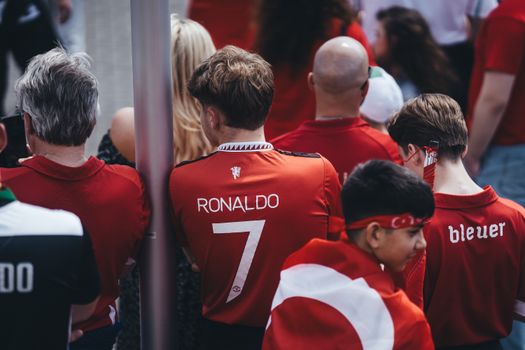
Few things unite sports fans as powerfully as donning the jersey of their favorite team or player. From the sea of matching shirts in stadiums to the pride of wearing a beloved club’s colors at home, sports jerseys are more than just garments — they are potent psychological symbols. But what is it about pulling on a jersey that stirs such strong emotions, creates community, and even influences behavior? In this article, we explore the fascinating psychological impact of sports jerseys on fans, backed by research, real-world examples, and expert insights.
The Power of Identification: Wearing More Than Just Colors
At the heart of sports fandom lies identification — the psychological process of aligning oneself with a team. Wearing a sports jersey is a tangible expression of this identification. Psychologists describe “basking in reflected glory” (BIRGing) as the tendency of individuals to associate themselves with successful others, and jerseys become the uniform of this phenomenon.
Studies show that after a team victory, fans are 40% more likely to wear team apparel the next day. This isn’t mere coincidence; it’s a form of self-expression and social signaling. When you wear your team’s jersey, you’re not just showing support — you’re saying, “I belong.”
.png)
A 2017 survey found that 79% of sports fans feel more connected to their team when wearing branded apparel, and 68% reported increased positive emotions during game day simply by putting on their team’s colors. The jersey becomes a bridge between the individual and the larger group, reinforcing personal and collective identity.
Social Cohesion and Group Dynamics: The Jersey as a Social Glue
One of the most compelling impacts of sports jerseys is their role in fostering social cohesion. Social identity theory, developed by psychologist Henri Tajfel, posits that people derive a sense of pride and self-esteem from their group memberships. Jerseys serve as visible markers of group belonging, making it easier for fans to identify each other and form instant connections.
In stadiums and bars, a shared jersey creates a sense of “in-group” camaraderie. Research published in the journal Group Processes & Intergroup Relations found that fans wearing team apparel were 55% more likely to engage with strangers wearing the same colors, compared to those in neutral clothing. This phenomenon doesn’t just stop at conversation; it extends to cooperation, trust, and even prosocial behavior.
A striking example can be seen in the famous “Yellow Wall” of Borussia Dortmund, where 25,000 fans clad in matching yellow jerseys create a visually and emotionally overwhelming display of unity. Such coordinated displays amplify feelings of belonging and collective strength, turning ordinary fans into members of a passionate community.
Emotional Amplification: Jerseys and the Rollercoaster of Fandom
Wearing a sports jersey doesn’t just affect how fans see each other — it deeply influences how they feel. The ritual of putting on a jersey can serve as an emotional primer, heightening anticipation and excitement before a big match.
A 2022 study by the University of Bath found that fans who wore their team’s jersey while watching games experienced 23% higher spikes in adrenaline and dopamine compared to those in regular attire. These neurochemical changes are linked to increased excitement, joy, and even stress, reflecting the highs and lows of sporting competition.
Jerseys also serve as emotional anchors, helping fans process wins and losses. After a tough defeat, wearing the jersey can provide comfort by reinforcing loyalty and shared experience. Conversely, after a victory, the jersey becomes a symbol of triumph, leading to public celebrations and displays of pride.
The Commercial and Cultural Power of Sports Jerseys
Beyond psychology, sports jerseys have evolved into powerful cultural and commercial icons. The global sports apparel market was valued at $196 billion in 2023, with jerseys accounting for a significant share. Teams invest millions in designing, marketing, and distributing official jerseys, knowing they are essential tools for building brand loyalty and generating revenue.
The phenomenon of jersey sales spikes following major signings or victories is well-documented. For example, Lionel Messi’s move to Paris Saint-Germain in 2021 led to over 1 million jersey sales in just one week, generating an estimated $135 million in revenue. These numbers highlight the economic and symbolic power jerseys hold in the sports world.
Jerseys also cross cultural boundaries, becoming part of street fashion, music videos, and global pop culture. Limited-edition releases and retro designs create a sense of exclusivity and nostalgia, driving collectors and fans alike to seek out unique pieces. This blend of commerce and culture only strengthens the psychological attachment fans feel toward their jerseys.
Jerseys and Rivalry: The Double-Edged Sword of Fan Identity
While jerseys unite supporters, they also serve as symbols of rivalry. The visible display of team colors can intensify competitive feelings, both on and off the field. Social psychologists warn that strong “in-group” identification can sometimes lead to “out-group” hostility.
In a 2014 experiment, researchers found that fans wearing rival jerseys were 30% more likely to experience negative social interactions in opposing team territories, ranging from teasing to outright hostility. However, these same rivalries can also be sources of playful banter and sportsmanship, reinforcing the drama and excitement that make sports so compelling.
Jerseys thus act as both shields and banners in the ongoing narrative of competition, amplifying tribal instincts while also offering opportunities for dialogue and mutual respect.
Comparing Fan Experience: With vs. Without Jerseys
To better understand the psychological effects of wearing sports jerseys, it’s useful to compare fan experiences with and without this symbolic attire. The table below summarizes key differences based on research and fan surveys.
| Aspect | Wearing Jersey | Without Jersey |
|---|---|---|
| Sensation of Belonging | High (feeling part of a group, increased social connection) | Lower (may feel more like an observer than a participant) |
| Emotional Intensity | Greater (more excitement, anticipation, and emotional highs/lows) | Moderate (less emotionally invested) |
| Likelihood of Social Interaction | Increased (more likely to talk to other fans, join group activities) | Reduced (fewer spontaneous interactions) |
| Personal Identification with Team | Strong (feel like a representative of the team) | Less pronounced (support may feel more distant or passive) |
| Response to Team Outcomes | Amplified (victories and defeats felt more personally) | Less impact (emotional response more subdued) |
Final Thoughts on the Psychological Impact of Sports Jerseys
Sports jerseys are so much more than just clothing or team merchandise. They are psychological tools that help fans connect with teams, with each other, and with their own sense of identity. From boosting social bonds to intensifying emotional experiences, jerseys play a crucial role in the rituals and culture of sports fandom.
Whether worn in the stands, at home, or on the streets, the humble jersey acts as a badge of honor, a social passport, and a source of pride. As sports continue to evolve in the digital age, the power of the jersey as a symbol of unity and passion remains as strong as ever.