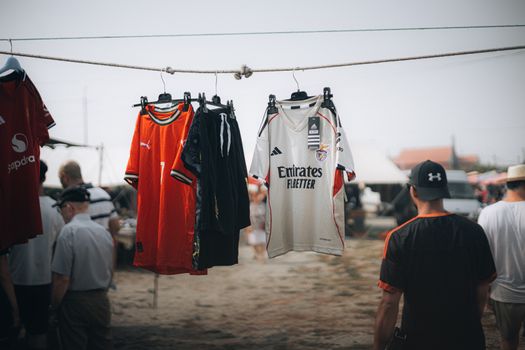
Football jerseys are more than just sportswear—they’re symbols of team pride, cherished memorabilia, and high-demand collectibles. With global sales of football jerseys topping $2 billion annually, the market is flooded with both authentic gear and convincing counterfeits. Whether you’re an avid fan, a collector, or someone looking to gift a loved one, distinguishing a genuine football jersey from a fake is crucial. Counterfeit jerseys not only undermine your investment but often lack the comfort, durability, and style of the real deal. In this guide, we’ll break down how to identify a quality football jersey from a fake, using tangible evidence, comparisons, and expert insight so you can make informed choices every time.
The Impact of Counterfeit Football Jerseys
The global sports apparel market is enormous, with football jerseys representing a significant share. In 2023, over 16 million official Manchester United shirts were sold worldwide, but for every genuine shirt, there are countless replicas and fakes. Counterfeit jerseys cost football clubs an estimated $500 million in lost revenue each year, according to the European Union Intellectual Property Office (EUIPO).
Beyond the financial implications, fake jerseys often fail to deliver the performance and comfort of authentic gear. Many are produced in unregulated factories, lacking quality control and ethical labor practices. Wearing an authentic jersey means supporting your team, your favorite players, and contributing to the sustainability of the sport.
.png)
Spotting the Differences: Materials and Manufacturing Quality
One of the most reliable ways to identify a genuine football jersey is by examining the materials and craftsmanship. Leading brands like Nike, Adidas, and Puma invest millions in R&D to develop breathable, moisture-wicking fabrics. Authentic jerseys are typically made from polyester blends that incorporate patented technologies such as Nike’s Dri-FIT or Adidas’ Climalite.
By contrast, fake jerseys are usually made from cheaper polyester that feels heavier, less flexible, and lacks sweat-wicking features. Here are some tell-tale signs:
- $1 Authentic jerseys have a smooth, lightweight feel, while counterfeits are often rough or plasticky. - $1 Quality stitching is consistent and tight, especially around the collar, sleeves, and hem. Fake jerseys often have loose threads, uneven seams, or visible glue. - $1 Genuine jerseys use high-quality embroidery or heat-transfer patches that are smooth to the touch. Fakes may have poorly aligned, peeling, or faded logos.Branding, Labels, and Tags: Details Matter
Official football jerseys come with a series of labels and tags that are difficult for counterfeiters to replicate perfectly. Here's what to look for:
- $1 Most major manufacturers use holographic badges on the label or sewn into the jersey. These change color or appearance when tilted and are very hard to duplicate. - $1 Authentic jerseys often have a unique serial number on the tag inside the collar or side seam. This number can sometimes be verified on the official manufacturer’s website. - $1 Look for official league or club licensing tags. For example, Premier League shirts have an official Premier League patch, while La Liga jerseys feature the league’s emblem.Counterfeits may try to imitate these features, but they often get the details wrong—misspelled words, incorrect colors, or missing elements.
Fit, Sizing, and Comfort: Testing the Wearability
Another reliable method to spot a fake football jersey is to try it on. Official jerseys are designed for performance and comfort. They fit true to size, with tapered cuts and stretch fabrics that allow freedom of movement. Replica (fan version) jerseys are typically a bit looser, but still follow strict sizing standards.
Fake jerseys are notorious for inconsistent sizing. A large may fit like a medium or extra-large, and the sleeves or torso may be disproportionately long or short. The fabric might not stretch properly, leading to discomfort during wear.
Price and Place of Purchase: If It’s Too Good to Be True…
Price is often the first red flag. Authentic jerseys, especially for top clubs and new season releases, typically cost between $90 and $150 USD. If you find a "new" jersey for $25 on an unfamiliar website, it’s almost certainly a fake.
Where you buy your jersey matters. Official club stores, league websites, and reputable sports retailers guarantee authenticity. Online marketplaces such as Amazon or eBay can be riskier, especially if the seller lacks reviews or offers multiple jerseys at suspiciously low prices.
Below is a comparative table summarizing the key differences between authentic and fake football jerseys:
| Feature | Authentic Jersey | Fake Jersey |
|---|---|---|
| Material | High-tech polyester, lightweight, moisture-wicking | Cheap polyester, heavy, lacks breathability |
| Stitching | Consistent, tight, durable | Loose, uneven, sometimes glued |
| Badges/Logos | Embroidered or high-quality heat transfer, precise | Poorly aligned, peeling, faded |
| Labels/Tags | Official tags, holograms, serial numbers | Missing or incorrect labels, no serials |
| Price | $90–$150 USD | $20–$50 USD (often suspiciously low) |
| Fit & Comfort | True to size, comfortable, performance fit | Inconsistent sizing, uncomfortable |
Advanced Tips: Checking Authenticity Online and in Person
In today’s digital world, counterfeits have become more sophisticated, sometimes making it hard to spot a fake with the naked eye. Here are some advanced techniques:
- $1 Some official jerseys include security threads or marks that are only visible under ultraviolet light. - $1 Scan the barcode on the tag with your smartphone. It should correspond to the exact model and size listed by the manufacturer. - $1 Use the club or brand’s official website to compare product photos—look for differences in badge placement, sponsor logos, or sleeve patches. - $1 When buying second-hand, ask for the original receipt or proof of purchase from an official retailer.Why Authentic Jerseys Are Worth the Investment
Choosing an authentic football jersey isn’t just about wearing your team’s colors; it’s about owning a piece of sports heritage. Official jerseys are built to last, often surviving years of wear and washing without fading or losing shape. Counterfeit jerseys, on the other hand, may start to fall apart after just a few washes—one study found that fake shirts lost up to 30% of their color after five washes, compared to less than 5% for authentic versions.
Moreover, purchasing official merchandise directly supports your favorite club and the athletes you admire. It contributes to club development, grassroots programs, and even charitable initiatives. And for collectors, authentic jerseys can increase in value over time, especially limited edition or player-issued shirts.
Final Thoughts: Making Informed Choices About Football Jerseys
With the global popularity of football, the market for jerseys—authentic and counterfeit alike—shows no signs of slowing down. While the allure of a bargain is tempting, the risks associated with fake jerseys far outweigh the savings: poor quality, uncomfortable fit, and no guarantee of durability. By paying close attention to materials, tags, stitching, price, and place of purchase, you can confidently identify a quality football jersey and enjoy the pride that comes with wearing the real thing.