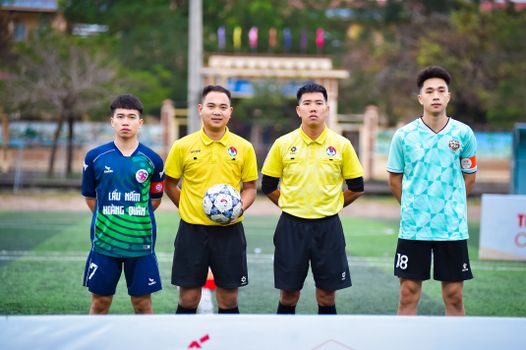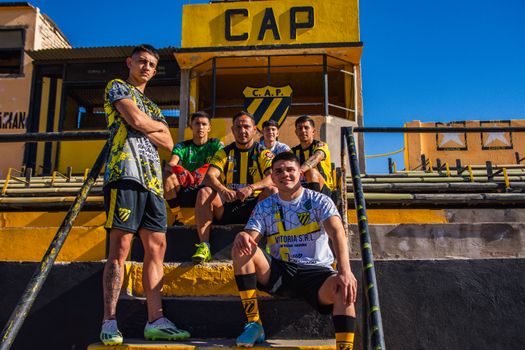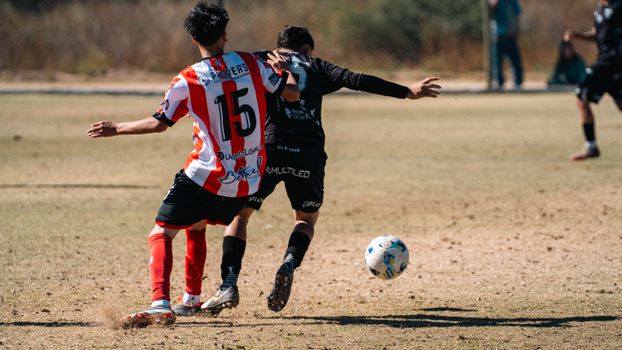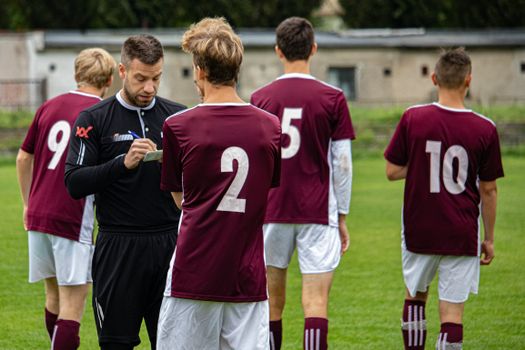
Soccer is more than just a game played on the field; it's a cultural phenomenon that resonates deeply with fans, players, and entire communities. One of the most visible expressions of a soccer team’s identity is their jersey. Far beyond mere apparel, soccer jerseys serve as symbols of unity, pride, and belonging. They impact not only how a team is perceived by the world but also how players interact and feel as a cohesive unit. In this article, we explore how soccer jerseys affect team identity and player cohesion, drawing on research, real-world examples, and expert opinions to unpack the psychological and practical power of the team kit.
The Symbolism of Soccer Jerseys in Team Identity
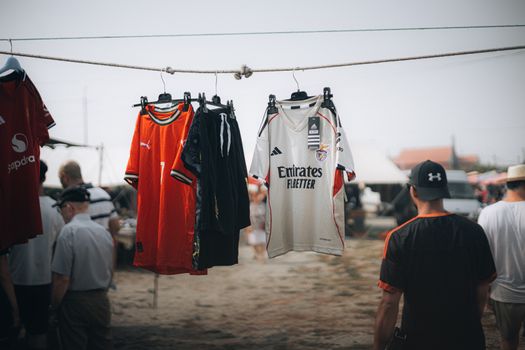
Soccer jerseys are more than functional sportswear; they are powerful emblems representing the ethos, history, and aspirations of a club or nation. Teams like FC Barcelona or Manchester United are instantly recognizable by their iconic colors and designs. This visual identity helps forge a bond among fans and players alike, creating a sense of belonging that transcends the pitch.
A 2019 survey by FIFA revealed that 78% of soccer fans could identify their favorite team solely by the jersey colors and crest. This instant recognition is crucial in building a lasting legacy and fostering loyalty. For players, wearing the jersey is a rite of passage—a signal that they are part of something larger than themselves. The jersey becomes a second skin, instilling pride and responsibility.
.png)
The symbolism extends to national teams as well. In the 2018 World Cup, the Croatian checkerboard jersey became an international talking point, reflecting national pride and sparking a surge in jersey sales by over 300%. Such examples highlight how jerseys not only represent a team's identity but also become cultural touchstones.
Psychological Impact of Uniformity on Player Cohesion
Uniforms play a key role in group psychology. According to a 2017 study in the Journal of Applied Sport Psychology, athletes who wear matching kits report higher levels of group identification and trust. When players don the same jersey, it visually eliminates individual differences, reinforcing the notion of collective effort and shared goals.
Soccer, being a fast-paced and collaborative sport, thrives on teamwork. The jersey acts as a unifying factor, creating a visual cue for cooperation. Coaches often cite the psychological boost that comes from "putting on the shirt"—it’s an act that transforms a group of individuals into a single, purposeful entity.
This impact is most notable in youth and amateur teams. When young players receive their first team jersey, their sense of belonging and commitment to the group increases dramatically. A study of youth soccer teams in the UK found that the introduction of custom team kits led to a 25% increase in training attendance and a 30% improvement in self-reported team morale.
Design Elements That Influence Team Spirit
Every detail of a soccer jersey—color, pattern, logo placement, and even fabric choice—can subtly influence how players feel and perform. Colors, for instance, have well-documented psychological effects. Red is associated with aggression and dominance, which is why teams like Liverpool and Manchester United often opt for bold red kits. Blue, on the other hand, is linked to calmness and reliability, favored by teams like Chelsea and Italy.
Jersey designers also capitalize on symbolism. For example, Borussia Dortmund's yellow and black stripes are inspired by the industrial heritage of their home city, while Nigeria’s 2018 World Cup kit was celebrated worldwide for its bold green zig-zags, referencing traditional national patterns.
Details like the placement of a team motto or a small emblem inside the collar can serve as a private reminder of team values. For instance, England's national team shirts often feature the St. George's cross inside the collar—a detail visible only to players, reinforcing a sense of national pride every time they put on the shirt.
Case Studies: Jerseys and Team Unity in Action
Several real-world examples illustrate how jerseys can make or break team cohesion and public image.
1. $1: In tribute to Bob Marley's song, adopted by Ajax fans as an anthem, the club released a third kit featuring three little birds on the back. The unique design resonated so strongly that it sold out in days, and players reported feeling a deeper connection to fans and club history—proof of how a well-designed jersey can bridge the gap between players and supporters. 2. $1: In a bold move, Juventus replaced their traditional black-and-white stripes with a half-black, half-white design. While innovative, the change polarized fans and reportedly affected player morale. Several players commented on feeling "detached from tradition," which some sports psychologists argue may have contributed to their shaky start that season. 3. $1: Emblazoned with icy blue patterns and inspired by Icelandic nature, this kit became a symbol of national pride. Iceland's underdog run in the tournament was accompanied by a visible surge in unity—both on the field and among fans worldwide.Comparing Soccer Jerseys: Tradition, Innovation, and Impact
To better understand the interplay between tradition, innovation, and team cohesion, consider the following comparison of notable soccer jerseys and their effects:
| Team | Jersey Design | Year | Fan Reception | Reported Player Cohesion |
|---|---|---|---|---|
| Manchester United | Traditional Red with White Trim | Ongoing | Very Positive (Consistent sales in top 3 globally) | High (Long-standing team culture) |
| Juventus | Half-Black, Half-White | 2019/20 | Mixed/Negative (Fan backlash) | Low to Moderate (Reported player discomfort) |
| Nigeria National Team | Bold Green Zig-Zag | 2018 | Extremely Positive (Over 3 million pre-orders) | High (Players cited increased pride) |
| Ajax Amsterdam | Three Little Birds Tribute | 2021/22 | Very Positive (Sold out in days) | High (Enhanced connection to club culture) |
Soccer Jerseys and the Fan Connection
While the primary function of a jersey is for the players, the emotional impact on fans is enormous. Jerseys act as a bridge between the stands and the pitch, reinforcing a shared identity. Fan culture often revolves around the jersey: it’s the most purchased item of club merchandise, and it’s worn with pride in stadiums and on city streets alike.
The connection is so strong that changes to a beloved jersey design can spark outrage or, conversely, rally a community. In 2022, when PSG introduced a significant change to their classic blue-and-red stripe, social media saw a 40% increase in fan engagement—both positive and negative. This shows that the jersey is not just fabric; it’s a communal rallying point.
For players, seeing thousands of fans in matching jerseys amplifies the sense of responsibility and motivation. According to a 2020 UEFA report, 67% of surveyed players felt "significantly motivated" by fans wearing their team's kit, particularly during home matches.
Why Soccer Jerseys Will Always Matter for Team Identity
The enduring power of the soccer jersey lies in its ability to encapsulate history, culture, and shared dreams. As teams look to the future—experimenting with new fabrics, eco-friendly designs, and innovative patterns—the core function of the jersey remains unchanged: to unite players and fans under a common banner.
The jersey is a visual and emotional anchor. For players, it’s a symbol of trust and collective effort. For fans, it’s a badge of honor and a sign of unwavering loyalty. In an era where teams are increasingly global, the soccer jersey continues to be a critical tool for building and maintaining a unique team identity and fostering player cohesion.