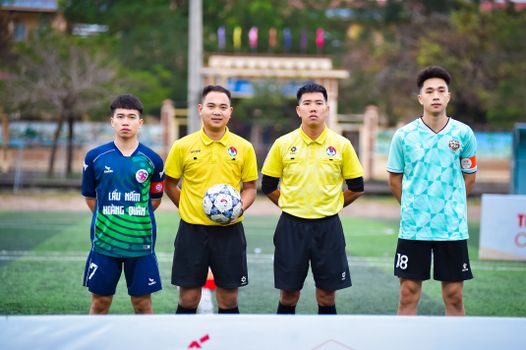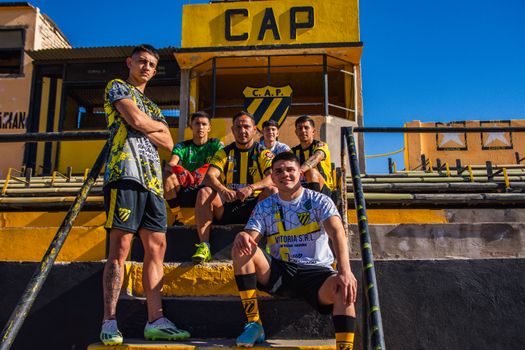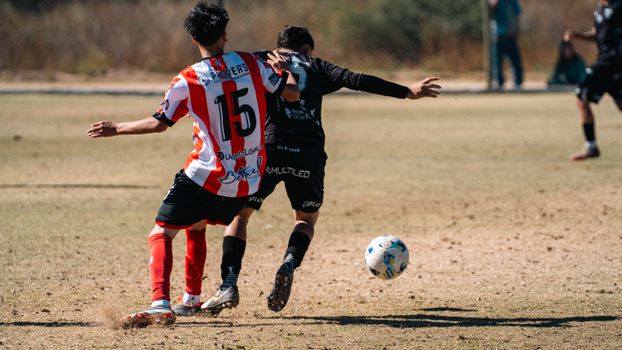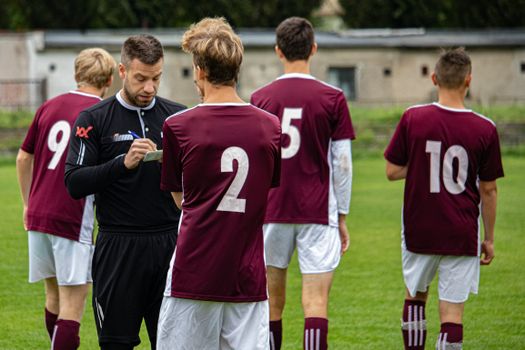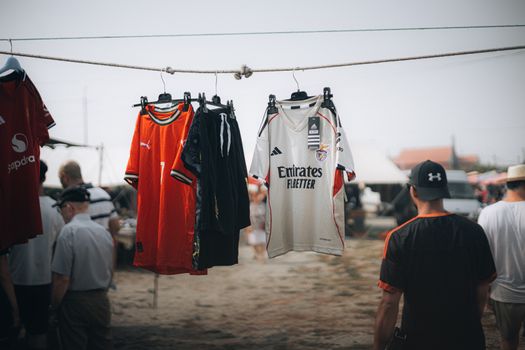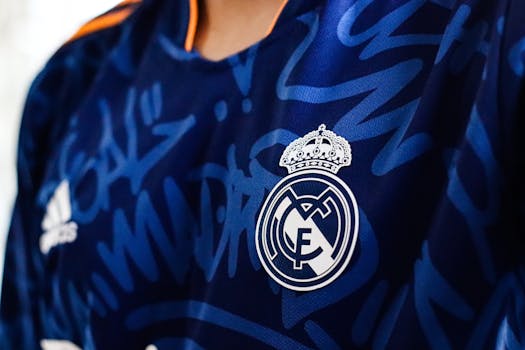
Football jerseys have long been symbols of team loyalty, athletic prowess, and national pride. But over the past few decades, their significance has expanded far beyond the pitch. Today, football jerseys play an increasingly pivotal role in supporting charitable events and organizations around the world. They have become tools for raising funds, spreading awareness, and uniting communities around important social causes. This article explores the multifaceted ways football jerseys are harnessed for philanthropy, showcasing real-world examples, innovative fundraising methods, and the impact these initiatives have on both recipients and the wider football community.
The Evolution of Football Jerseys in Philanthropy
Historically, football jerseys were simply uniforms worn by players to distinguish teams. However, as football became a global phenomenon, the jersey transcended its utilitarian purpose. By the late 20th century, clubs and organizations realized the jersey’s potential to drive charitable impact. The visual prominence of jerseys—on televised matches watched by millions—offered a unique canvas for awareness campaigns and fundraising efforts.
One of the earliest notable uses was in 1996, when Manchester United wore a special kit to promote UNICEF, marking a partnership that ultimately raised over £4 million for children’s causes. Today, nearly every major club and national team participates in jersey-based charitable programs, whether through limited-edition kit releases, auctioning player-worn shirts, or emblazoning jerseys with messages supporting global causes.
.png)
Special Edition Jerseys: Limited Runs for Maximum Impact
Perhaps the most visible way football jerseys support charity is through special edition releases. Clubs and national teams design and produce unique jerseys, often in collaboration with well-known charities or in response to specific events, such as natural disasters or health crises.
For example, in 2020, FC Barcelona released a limited-edition jersey in partnership with the “Barça Foundation” and UNICEF, with proceeds dedicated to COVID-19 relief efforts. Similarly, the English Premier League’s “Rainbow Laces” campaign sees players wear kits featuring rainbow-themed details, supporting LGBTQ+ inclusion. These special editions are highly sought after by fans and collectors, which drives up their fundraising potential.
The financial impact can be substantial. In 2021, Paris Saint-Germain raised over €500,000 in a single week through the sale of 1,500 limited-edition kits supporting the “Fondation PSG” children’s initiatives. Such campaigns not only generate funds but also amplify charitable messages to global audiences.
Jersey Auctions: Turning Match-Worn Memorabilia into Donations
Another widespread practice is the auctioning of match-worn jerseys. These jerseys, worn by star players during high-profile matches, are highly valuable to fans due to their authenticity and sentimental significance. Clubs and players frequently donate these shirts for charity auctions, with proceeds benefiting various causes.
A notable example occurred in 2022, when Lionel Messi’s Argentina jersey worn during the World Cup final was auctioned for $450,000, with all proceeds going to children’s hospitals in Buenos Aires. Similarly, the “Shirts for Heroes” campaign by Chelsea FC raised over £200,000 for the UK’s National Health Service (NHS) by auctioning off jerseys worn during the height of the COVID-19 pandemic.
The table below highlights several major jersey auctions and their charitable impact:
| Year | Club/Player | Event | Funds Raised | Beneficiary |
|---|---|---|---|---|
| 2022 | Lionel Messi | World Cup Final Jersey Auction | $450,000 | Children’s Hospitals, Argentina |
| 2021 | Paris Saint-Germain | Limited-Edition Kit Sale | €500,000 | Fondation PSG |
| 2020 | Chelsea FC | Shirts for Heroes | £200,000 | NHS Charities Together |
| 2019 | FC Barcelona | Special UNICEF Kit Auction | €300,000 | UNICEF |
Jersey Sponsorships and Awareness Campaigns
Beyond direct fundraising, football jerseys often serve as billboards for social causes through sponsorships and awareness campaigns. Instead of commercial brands, clubs may dedicate prime jersey real estate to charitable organizations, using their massive visibility to promote vital messages.
For instance, since 2006, FC Barcelona wore the UNICEF logo on their shirts, agreeing to donate €1.5 million annually to the organization. This partnership not only raised money but also brought global attention to children’s issues, leveraging the club’s worldwide fanbase. Other clubs, such as AS Roma and its “Roma Cares” foundation, have followed suit, using their jerseys to highlight anti-bullying initiatives, health campaigns, and disaster relief efforts.
In 2023, Norwich City’s “Mind” logo placement on their kits helped raise mental health awareness across the UK, while also channeling a percentage of shirt sales back to mental health services. These partnerships demonstrate how jersey sponsorships can extend the reach of charitable organizations and inspire action among fans and viewers.
Grassroots and Local Impact: Jerseys Beyond the Professional Game
The influence of football jerseys in supporting charitable causes is not limited to elite clubs and superstar players. Grassroots football organizations and amateur teams frequently use jerseys to foster community engagement and raise funds for local causes.
Charity tournaments, such as the UK’s “Football Shirt Friday,” encourage participants to wear their favorite jerseys to work or school and donate to cancer research. In 2023, this initiative raised over £1.2 million in a single day, with thousands of people donning their team colors in support of the Bobby Moore Fund for Cancer Research UK.
Local youth teams often partner with regional charities, featuring their logos on jerseys to promote everything from food banks to environmental causes. Additionally, the donation of surplus or outdated team kits to underprivileged communities—often coordinated by organizations like KitAid—helps promote sport and social development in regions where resources are scarce.
Celebrity and Player-Led Initiatives: Personalizing Jersey Philanthropy
Individual footballers wield significant influence, and many harness their personal brands—and jerseys—for good. Players frequently launch their own foundations or collaborate with charities to create unique jersey campaigns.
Cristiano Ronaldo, for example, has auctioned dozens of his match-worn jerseys, with proceeds supporting children’s hospitals in Portugal and disaster relief efforts worldwide. In 2018, Mohamed Salah donated his signed Champions League final shirt to raise money for a children’s cancer hospital in Egypt, generating over $200,000 in donations.
These initiatives resonate deeply with fans, who feel a personal connection to their sporting idols. Social media amplifies the impact, as players share stories and auction details, rallying global audiences to participate and contribute.
The Lasting Impact of Football Jerseys on Charitable Causes
Football jerseys have evolved into powerful instruments for social change. Through special edition releases, high-profile auctions, awareness campaigns, and grassroots efforts, these garments connect the passion of the sport with the power of collective action. The numbers speak for themselves: millions raised, countless lives impacted, and ongoing attention drawn to causes that matter.
What makes the football jersey such an effective tool for charity is its universality. From stadiums packed with 80,000 fans to remote villages watching on battered televisions, the jersey is instantly recognizable and emotionally charged. When harnessed for good, it unites people—regardless of background or allegiance—in the shared pursuit of a better world.
Football’s global reach ensures these efforts will only grow in scope and impact. As clubs, players, and fans continue to innovate, the humble football jersey will remain at the heart of charitable action, proving that sport and compassion truly go hand in hand.