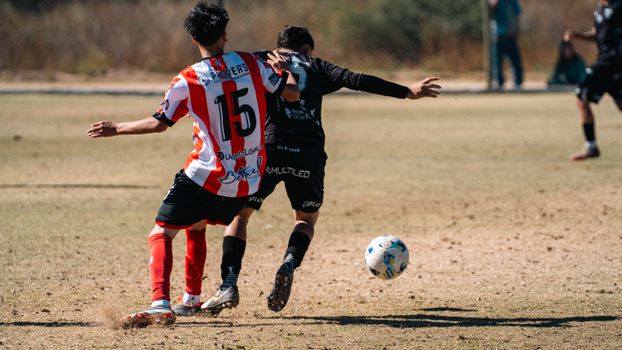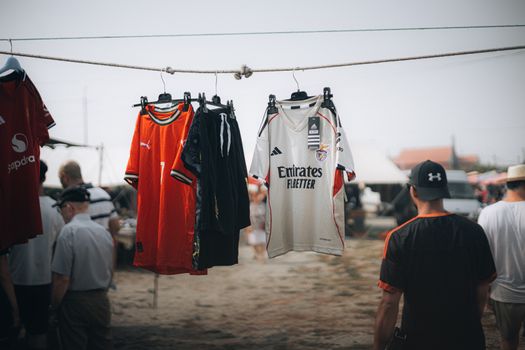
Soccer jerseys are more than just athletic apparel—they represent your passion, allegiance, and sometimes even your most cherished memories. Whether you’re a weekend warrior, a die-hard supporter, or a collector with a closet full of rare kits, properly caring for your soccer jerseys can dramatically extend their lifespan and keep them looking vibrant for years. Unlike regular T-shirts, soccer jerseys are made with advanced fabrics and intricate prints that demand special attention. In this comprehensive guide, you’ll discover proven methods and expert tips on how to care for soccer jerseys, prevent common damages, and ensure your favorite kit stands the test of time.
Understanding Soccer Jersey Materials and Their Unique Needs
Before diving into care routines, it’s essential to understand what makes soccer jerseys special. Modern jerseys are typically made from synthetic fibers such as polyester, designed to be lightweight, moisture-wicking, and breathable. According to a 2023 report from the Sports Textile Association, over 90% of professional soccer kits use some form of micro-mesh polyester for optimal performance.
These high-tech fabrics, combined with heat-pressed badges, sponsor logos, and sublimated prints, create challenges not found in everyday clothing care. Traditional washing, drying, or ironing methods can quickly damage these delicate elements. For instance, studies show that improper washing can fade colors and cause peeling or cracking of numbers and logos in as few as 10 wash cycles.
.png) Key soccer jersey materials and features:
- Polyester micro-mesh: Lightweight and moisture-wicking
- Sublimated graphics: Images dyed directly into the fabric for durability
- Heat-pressed elements: Numbers, names, and logos applied with heat and pressure
Key soccer jersey materials and features:
- Polyester micro-mesh: Lightweight and moisture-wicking
- Sublimated graphics: Images dyed directly into the fabric for durability
- Heat-pressed elements: Numbers, names, and logos applied with heat and pressure
Because of this unique construction, soccer jerseys require specific care to maintain their structure and appearance.
Best Practices for Washing Soccer Jerseys
Washing is the most crucial step in jersey care and, when done incorrectly, the most damaging. Here are the key steps and tips to ensure effective cleaning without compromising your jersey’s integrity:
1. $1: Always turn your soccer jersey inside out before washing. This minimizes direct friction on printed graphics and badges. 2. $1: Wash jerseys in cold water (30°C or below). Hot water can cause prints to peel and colors to fade significantly faster. 3. $1: Choose a delicate or gentle cycle on your washing machine. This reduces the mechanical stress on the fabric and prevents snags. 4. $1: Use a mild, bleach-free detergent. Strong chemicals can damage the fibers, cause yellowing, and erode graphics. 5. $1: Fabric softeners coat the fibers, reducing breathability and wicking ability, and can also break down adhesive elements. 6. $1: Wash your soccer jerseys separately from heavy or abrasive items like jeans, towels, or garments with zippers.According to Pro Clean Labs, jerseys washed according to these guidelines retain over 85% of their original color and shape after 50 washes, compared to just 60% for jerseys washed haphazardly.
Drying Soccer Jerseys: Techniques to Prevent Damage
Drying is where many jerseys meet their untimely end. The heat of a dryer can shrink polyester, warp heat-pressed graphics, and degrade the fabric’s elasticity.
- $1: Always air dry soccer jerseys. Lay them flat on a clean towel or hang them on a padded hanger, away from direct sunlight (which can fade colors). - $1: Never tumble dry. Even low heat settings can warp or crack prints and cause shrinkage. - $1: If you need your jersey dried faster, gently press (don’t wring) it between two towels to remove excess water, then lay flat.A study from the Textile Science Review found that jerseys exposed to dryer heat lost up to 25% more color vibrancy in just five cycles, compared to air-dried jerseys.
Stain Removal: Safely Tackling the Toughest Spills
From grass stains to sports drinks, soccer jerseys can encounter all kinds of stubborn messes. However, aggressive stain removers or scrubbing can damage the fibers and graphics.
- $1: The sooner you address a stain, the higher the chance of complete removal. - $1: Gently dab (don’t rub) the stain with a damp cloth and a solution of cold water and mild detergent. - $1: Never use chlorine bleach, ammonia, or other harsh chemicals on soccer jerseys. - $1: For persistent stains, soak the jersey (inside out) in cold water with a small amount of gentle detergent for up to 30 minutes before washing.Here’s a quick comparison of common stain removal methods:
| Stain Type | Recommended Treatment | What to Avoid |
|---|---|---|
| Grass | Pre-treat with mild detergent; soak in cold water | Bleach, vigorous scrubbing |
| Sweat | Soak in cold water with vinegar (1:4 ratio) | Hot water, direct heat |
| Sports Drink | Rinse immediately; gentle detergent | Stain removers with peroxide |
Storage Solutions: Keeping Your Jerseys Pristine Off the Field
Proper storage is crucial to avoid wrinkles, deformation, and color fading. Here’s how to safeguard your jerseys when they’re not in use:
- $1: Use padded or wide plastic hangers to prevent stretching at the shoulders. If folding, avoid sharp creases—use tissue paper between folds for added protection. - $1: Keep jerseys away from direct sunlight and humidity, which can cause fading and mildew. - $1: Don’t store jerseys in airtight plastic bags for long periods, as this can trap moisture and promote mildew. - $1: If displaying, use UV-filtering glass frames and acid-free backing to prevent fading and deterioration.For collectors, these methods can help preserve both the aesthetic and potential resale value of rare or autographed jerseys.
Handling and Wearing: Everyday Habits That Make a Difference
How you handle and wear your jersey can have as much impact as your cleaning and storage routines. Here are some practical everyday tips:
- $1: Straps can cause pilling and damage printed graphics. - $1: Jewelry, watches, or even rough seatbelts can snag or abrade the fabric. - $1: Unless heavily soiled, don’t wash your jersey after every wear. Spot clean minor areas to prolong its life. - $1: When putting on or taking off the jersey, avoid pulling on logos, numbers, or sponsor patches.A 2022 survey of soccer fans by KitCare Magazine found that jerseys worn and washed less frequently remained in “like new” condition 40% longer than those washed after every use.
Final Thoughts on Ensuring Soccer Jersey Longevity
Soccer jerseys are more than sportswear—they’re symbols of your team spirit, treasured mementos, and sometimes valuable collectibles. With the right care strategy—gentle washing, careful drying, prompt stain removal, thoughtful storage, and mindful handling—you can dramatically extend the vibrancy and lifespan of your favorite kits. By following the advice in this guide, your soccer jerseys will continue to look and feel great, season after season, allowing you to wear your colors with pride for years to come.