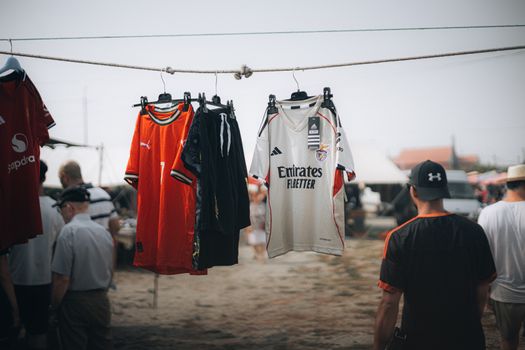
Soccer jerseys have evolved far beyond simple team identifiers. Today’s jerseys are engineering marvels, designed to enhance athletic performance while also serving as stylish casual wear. With the rise of soccer culture in everyday fashion, the material composition of jerseys has never been more important for both players and fans. But when it comes to choosing the ideal soccer jersey—whether for the rigors of the pitch or the comfort of leisure—what material reigns supreme? In this comprehensive comparison of soccer jersey materials, we’ll explore their unique properties, real-world performance, and suitability for sports and everyday wear.
The Evolution of Soccer Jersey Fabrics
A century ago, soccer jerseys were typically made from heavy natural fibers like cotton or wool. These materials offered durability but trapped sweat and became uncomfortably heavy during play. Fast-forward to the modern era, and technological innovation has completely transformed jersey fabrics.
Today, the world’s top clubs and national teams wear jerseys made from advanced synthetic fibers engineered for breathability, moisture control, and lightweight comfort. In 2024, over 95% of professional teams use jerseys constructed from polyester or blended synthetic fabrics, a seismic shift from just 30 years ago. This evolution reflects not only advances in textile science but also a growing demand for jerseys that perform well in both competitive and casual settings.
.png)
Common Soccer Jersey Materials: Pros and Cons
Understanding the most prevalent soccer jersey materials is key to making an informed choice. Here’s a breakdown of the top contenders:
1. $1 The modern gold standard, polyester is lightweight, durable, and excellent at wicking moisture away from the skin. It resists shrinking and retains color well, even after repeated washes. Most professional and replica jerseys are made from 100% polyester or polyester blends. 2. $1 Once the mainstay for classic jerseys, cotton is soft and breathable but absorbs moisture, making it heavy and less ideal for active play. However, it remains popular for retro and leisure jerseys due to its comfort and vintage appeal. 3. $1 Similar to polyester in its synthetic origins, nylon is smooth, strong, and dries quickly. It’s occasionally used in blends for added stretch but is less common as the primary material. 4. $1 Used in small percentages (usually 2-10%) in blends, elastane adds stretch and shape retention, improving fit and freedom of movement. 5. $1 Many modern jerseys use carefully engineered blends (e.g., polyester with elastane or nylon) to balance moisture management, stretch, and durability.Performance on the Pitch: Which Material Wins?
When evaluating soccer jersey materials for athletic use, several factors come into play: moisture management, breathability, weight, and comfort. Here’s how the main materials stack up:
- $1 Polyester leads the pack, with advanced jerseys using microfibers and proprietary technologies (like Nike Dri-FIT or Adidas Climalite) that actively draw sweat from the body. Studies have shown that high-quality polyester can reduce skin moisture by up to 40% compared to cotton during intense exercise. - $1 Synthetics like polyester and nylon offer excellent airflow when engineered with mesh panels or perforations. Cotton is naturally breathable, but once wet, its ventilation drops dramatically. - $1 Today’s polyester jerseys weigh as little as 150 grams (about 5.3 ounces), providing a barely-there feel. Cotton jerseys, by comparison, can weigh up to 250 grams or more—especially when saturated with sweat. - $1 Polyester and nylon are both highly resistant to abrasion and repeated washing, making them ideal for the tough demands of match play. Cotton is prone to pilling and losing shape over time.For athletes, the verdict is clear: polyester and its blends offer the best all-around performance, combining lightweight comfort, effective sweat control, and lasting durability.
Comfort and Style for Leisure Wear
While performance is paramount on the field, comfort and appearance often take center stage for fans wearing soccer jerseys off the pitch. Here, the choice of material can be more subjective.
- $1 Today’s polyester jerseys are softer and more comfortable than ever, but some fans still find pure synthetic fabrics less cozy than natural fibers. However, innovations like brushed polyester and jersey knits have narrowed this gap considerably. - $1 For everyday wear, cotton remains a favorite for its soft, natural feel and easy breathability. Retro jerseys and lifestyle collections often use cotton or cotton-poly blends, appealing to fans seeking nostalgia and comfort. - $1 Jerseys that blend polyester with cotton or elastane strike a balance, offering a soft touch with added performance benefits. For example, a 50/50 cotton-polyester blend can feel substantially more comfortable for casual use while still being easy to care for. - $1 Material also impacts the look of a jersey. Polyester allows for vibrant colors and detailed sublimated designs that remain true over time, while cotton offers a matte, vintage aesthetic.Environmental Impact: Sustainability of Soccer Jersey Materials
As environmental concerns grow, the sustainability of jersey materials has become a significant factor for many consumers and brands. Here’s how the main options compare:
- $1 Traditionally made from petroleum, polyester’s production is energy-intensive. However, over 60% of Adidas’ soccer jerseys in 2023 were made from recycled polyester, reducing waste and environmental impact. Nike’s 2022 kits used an average of 13 recycled plastic bottles per jersey. - $1 Cotton is biodegradable and renewable, but conventional farming uses large amounts of water and pesticides. Organic cotton offers a more eco-friendly alternative but remains rare in soccer jerseys. - $1 The shift towards recycled synthetics and eco-conscious production processes is accelerating. By 2025, top brands aim to produce over 80% of their soccer apparel from recycled or sustainable materials.| Material | Performance (Moisture Wicking) | Comfort (Leisure) | Durability | Sustainability |
|---|---|---|---|---|
| Polyester | Excellent | Good | Excellent | Improving (Recycled Options) |
| Cotton | Poor | Excellent | Fair | Mixed (Organic/Conventional) |
| Nylon | Very Good | Good | Excellent | Limited |
| Polyester-Cotton Blend | Good | Very Good | Very Good | Varies |
Cost and Accessibility: What’s the Best Value?
Price is often a deciding factor, especially for casual fans or those purchasing multiple jerseys. Here’s what to expect:
- $1 Thanks to mass production and synthetic materials, polyester jerseys are generally the most affordable, with replica options starting as low as $25 and authentic match jerseys ranging from $90 to $150. - $1 Retro or lifestyle jerseys made from cotton or blends may be priced similarly or slightly higher due to lower production volumes and niche appeal. - $1 Jerseys made from recycled or organic materials can carry a premium, but the price difference is narrowing as sustainable options become mainstream.Accessibility is also a consideration—polyester jerseys are widely available in all sizes and styles, while specialty cotton or sustainable options may be limited to specific collections.
Choosing the Right Soccer Jersey Material: Practical Tips
With so many options available, how should you choose the best soccer jersey material for your needs? Consider these practical tips:
1. $1 Prioritize polyester or polyester blends with moisture-wicking technology. Look for features like mesh panels, lightweight construction, and antimicrobial treatments. 2. $1 If comfort is key, try a cotton or cotton-poly blend jersey, especially if you prefer a vintage look or softer feel. For all-day wear, blended fabrics often provide the best of both worlds. 3. $1 Seek out jerseys made from recycled polyester or organic cotton. Check labels or product descriptions for sustainability certifications or eco-friendly production details. 4. $1 Polyester replicas offer excellent value for both fans and athletes. Shop during off-seasons or look for previous season’s releases for additional savings.Ultimately, the “best” material is the one that matches your intended use, comfort preferences, and values.
Final Thoughts: Soccer Jersey Material Matters
The soccer jersey has become much more than just a piece of sportswear—it's a symbol of team pride, a fashion statement, and a canvas for technological innovation. Whether you’re a player striving for peak performance or a fan looking for everyday comfort, understanding the differences between jersey materials can help you make the best choice.
Polyester and its blends continue to dominate for sports due to unmatched moisture management, lightness, and durability. For leisure, cotton and blended fabrics offer superior comfort and a laid-back vibe. Sustainability is reshaping the industry, with recycled and eco-friendly options gaining traction.
By considering your needs and the properties of each material, you can find a soccer jersey that fits your lifestyle—on or off the pitch.