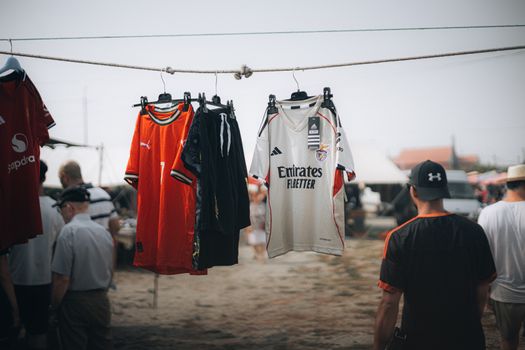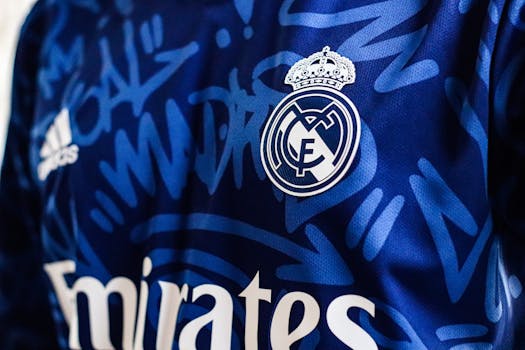
For football fans and fashion enthusiasts alike, there’s a new trend sweeping stadiums and city streets: retro football jerseys. Once relegated to the back of closets or dusty thrift shop racks, classic kits from decades past are now at the forefront of both sports culture and style. This resurgence isn’t just about nostalgia—it’s a multifaceted movement fueled by design appreciation, pop culture, and a desire to reconnect with football’s rich heritage. But why exactly are retro football jerseys making such a remarkable comeback, and what does this say about today’s fans and the football industry as a whole? Let’s explore the driving forces behind this phenomenon and why these vintage shirts are experiencing a golden era of popularity.
The Allure of Football Nostalgia
Retro football jerseys are more than just pieces of cloth; they’re portals to cherished memories. For many fans, these shirts represent unforgettable moments: a dramatic World Cup final, a legendary goal, or a favorite player’s iconic celebration. According to a 2022 survey by Statista, 68% of football fans in Europe reported feeling nostalgic about matches from their youth, with 54% saying that owning vintage merchandise helped them feel more connected to the sport.
This emotional link is a significant factor in the retro revival. Wearing a 1986 Argentina kit can instantly transport someone back to Diego Maradona’s “Hand of God” goal, while a classic 1990 West Germany shirt evokes images of their dramatic World Cup win. These jerseys serve as time machines, allowing fans to relive football’s most legendary moments and pass those stories to new generations.
.png)
Design: When Old Becomes New Again
The distinctive, often bold designs of retro football jerseys are a major reason behind their resurgence. In the late 1980s and 1990s, football kits embraced geometric patterns, vibrant colors, and experimental typography—features that stand out in today’s era of streamlined and sponsor-heavy designs. Brands like Adidas, Umbro, and Kappa became known for their creative flair, producing unique looks that are now considered fashion statements.
Modern manufacturers have taken notice. Adidas’s “Icons” series and Nike’s reissues of classic kits have proven immensely popular, with the 1990 West Germany remake selling out within days of its release in 2022. According to the sportswear market analyst firm NPD Group, retro kit sales have grown by 27% year-on-year since 2021.
A visual comparison illustrates the differences between eras:
| Feature | Retro Jerseys (1980s-1990s) | Modern Jerseys (2015-2024) |
|---|---|---|
| Design Elements | Bold patterns, bright colors, unique collars | Minimalist, streamlined, focus on performance |
| Fit | Loose, boxy, sometimes oversized | Slim, athletic cut, stretch fabrics |
| Materials | Polyester, cotton blends | Tech fabrics (e.g., Dri-FIT, Climalite) |
| Main Appeal | Visual nostalgia, statement style | Performance, club identity |
The distinctiveness of retro designs appeals not only to football fans but also to the broader fashion community, with vintage shirts frequently spotted in streetwear and even on high-fashion runways.
Celebrity Influence and Pop Culture
The return of retro football jerseys is not happening in a vacuum. High-profile celebrities, musicians, and influencers have embraced vintage kits, propelling them into the mainstream. In the past five years, artists like Drake, Stormzy, and Dua Lipa have all been photographed wearing classic club and national team jerseys from the 1990s. In 2018, hip-hop artist Drake’s Instagram post in a vintage Juventus shirt led to a 155% spike in online searches for “retro Juventus jersey” the following week, according to Google Trends.
This crossover between sports culture and street style has made retro kits desirable beyond just the football community. Brands and clubs have responded by collaborating with fashion designers or launching limited-edition capsule collections, blurring the lines between sport and lifestyle. In 2023, a collaboration between Paris Saint-Germain and fashion house Jordan saw their retro-inspired kit sell out in under two hours.
The Sustainability Factor: Vintage as Eco-Friendly Fashion
As environmental awareness grows, consumers are increasingly seeking sustainable options in all areas of life—including sportswear. Retro football jerseys, whether sourced secondhand or as official reissues, fit perfectly into this movement. Buying vintage means extending the life cycle of existing products, reducing the demand for new manufacturing, and minimizing waste.
A 2023 report by the Ellen MacArthur Foundation highlighted that the global resale market for clothing is expected to reach $350 billion by 2027, up from $177 billion in 2022. Football jerseys are a significant part of this trend, with online resale platforms like Classic Football Shirts and Depop reporting double-digit growth in sales of vintage kits year after year.
For environmentally conscious fans, retro football jerseys offer a way to showcase team pride without contributing to the fast fashion cycle. Moreover, the uniqueness of vintage shirts—often featuring old sponsors or discontinued designs—adds to their appeal as collectible, eco-friendly fashion statements.
Collectibility and Investment Value
Another force driving the retro renaissance is the growing recognition of football jerseys as collectible assets. Rare or historically significant shirts can fetch thousands of dollars at auction. For example, in 2022, Diego Maradona’s “Hand of God” shirt from the 1986 World Cup sold for a record $9.28 million at Sotheby’s, making it the most expensive football jersey ever sold.
Even for those not looking to spend millions, the thrill of hunting for a rare kit—be it a 1992 Denmark shirt or a 1998 Nigeria World Cup jersey—adds a layer of excitement to fandom. Collectors often seek shirts with unique stories, misprints, or limited production runs. The market is so robust that dedicated events like the London Football Shirt Show now attract thousands of enthusiasts each year.
Collecting retro jerseys isn’t just about value; it’s also about preserving football history. Every shirt tells a story, from a club’s rise to glory to a nation’s underdog triumph. As clubs and fans alike recognize the narrative power of these garments, the appetite for rare and meaningful kits only continues to grow.
How Clubs and Brands Are Fueling the Retro Trend
Football clubs and kit manufacturers are actively stoking the flames of retro enthusiasm. Recognizing fans’ thirst for nostalgia, many clubs have reintroduced “throwback” shirts, sometimes as official third kits or special editions. In 2022, Barcelona released a limited-edition jersey inspired by their 1992 Champions League-winning kit, selling over 60,000 units in the first month alone.
Brands such as Umbro and Adidas have also launched dedicated retro lines, offering both faithful reproductions and modern reinterpretations of classic designs. This not only allows fans to experience the look and feel of historic kits but also gives new supporters a way to connect with their club’s heritage. The commercial success of these initiatives speaks volumes: retro and throwback jersey sales now account for nearly 18% of all football shirt revenue globally, according to Euromonitor International.
Final Thoughts on the Retro Football Jersey Revival
The comeback of retro football jerseys is a testament to the enduring power of football culture and the sport’s ability to continuously reinvent itself. More than just a passing trend, this movement reflects a deeper yearning for authenticity, connection, and self-expression. Whether it’s the nostalgia for legendary matches, the boldness of vintage design, or the appeal of sustainable fashion, retro kits have carved out a unique and lasting place in today’s sporting and style landscape.
For fans, collectors, and fashionistas alike, the retro football jersey is much more than a shirt—it’s a piece of living history, a symbol of identity, and a statement that bridges generations. As clubs, brands, and fans continue to celebrate the past, it’s clear that the classic football jersey’s best years may still be ahead.