Introduction
Football jerseys are more than just sports gear; they represent a deep-seated connection between a team and its fans. Over the decades, the evolution of football jerseys has paralleled changes in sports technology, fashion, and even societal norms. This article explores how your favorite team's jersey has transformed over the years, reflecting broader trends in the sport and society at large.
Early Beginnings
.png)
The earliest football jerseys were practical and modest. Made from materials like wool, they were designed primarily for functionality rather than aesthetic appeal. These jerseys were thick, heavy, and absorbed a lot of moisture, which was far from ideal for the players' performance.
The Shift to Synthetic Fabrics
The real transformation began in the mid-20th century with the introduction of synthetic fabrics. Polyester, in particular, became a staple of football jerseys, offering durability and moisture-wicking properties that wool could not match. This shift not only improved athletes' performance but also made it easier for fans to wear and maintain their beloved team colors.
Design Evolution
The design of football jerseys has seen significant changes over the years. From the basic, one-color designs of the early 20th century, jerseys have become increasingly vibrant and complex. In the 1980s and 1990s, influenced by broader fashion trends, football jerseys started featuring brighter colors and more dynamic designs. Technologies such as sublimation printing emerged, allowing for high-detail graphics and customization that were previously impossible.
Impact of Sponsorship
Sponsorship deals have also greatly influenced jersey designs. Starting in the 1970s, logos and brand names began appearing on jerseys, marking a new era of commercialization in football. These sponsorships brought significant revenue to teams but also sparked debates about the commercialization of sports. Today, sponsorship is a common feature on jerseys, reflecting both a source of income for clubs and a marketing opportunity for brands.
Modern Innovations
Contemporary football jerseys are marvels of technology, designed to optimize player performance and fan comfort. They feature advanced fabrics that regulate temperature, manage sweat, and even provide aerodynamic advantages. Moreover, the modern push towards sustainability has led to innovations such as jerseys made from recycled plastics, aligning with global environmental concerns.
Case Study: Real Madrid
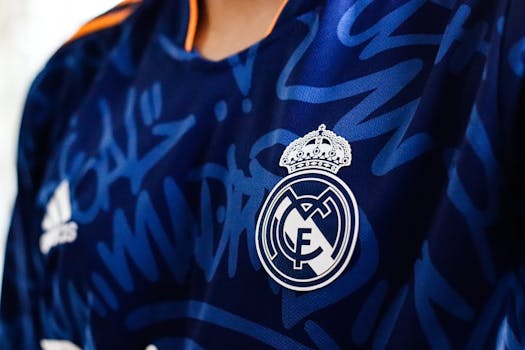
Take, for example, Real Madrid's jerseys. What began as a simple white shirt has evolved into a high-tech piece of sportswear. Over the years, the club's jerseys have incorporated the latest in fabric technology while also serving as a billboard for some of the world's most prominent brands. Each season's new jersey is awaited with anticipation, as it reflects new trends in design and technology.
Reflecting on the Past and Future
The evolution of football jerseys is a mirror reflecting the changes in the sport and its place within broader cultural and economic contexts. Each jersey tells a story of its era, not just in terms of design or technology but also in how it fits into the narrative of football's development. For fans, these jerseys are not just apparel but are part of their identity and their connection to the game.
Conclusion
Understanding the evolution of your favorite team's football jersey offers more than just a history lesson; it provides insight into the changing face of football and its ongoing dialogue with society. Whether it's the shift from wool to polyester, the introduction of sponsor logos, or the latest in fabric technology, each change tells a part of the story of the game we love.