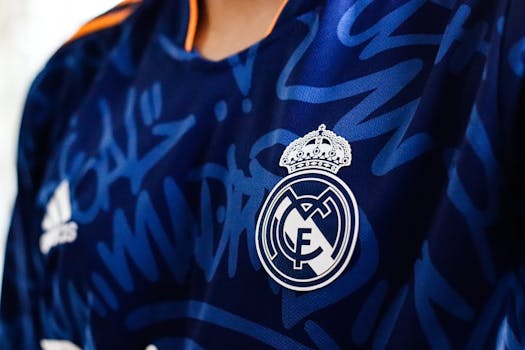
The evolution of football jerseys from basic sportswear to multifaceted cultural symbols encapsulates the profound impact of football on global culture. Originally designed for functionality, these jerseys have transcended their athletic origins, becoming integral to fashion, personal identity, and social belonging.
The Early Days: Function Over Form
In the beginning, the primary function of football jerseys was to distinguish players during a game. Made from heavy materials like wool, these early jerseys emphasized durability and color differentiation rather than aesthetic appeal or comfort. The focus was squarely on practicality, with designs that facilitated easy recognition of players on the pitch.
.png)
Technological Advancements and Design Innovation
As the sports industry evolved, so did the materials and technologies used in jersey manufacturing. The introduction of synthetic fabrics like polyester transformed these garments, making them lighter, more durable, and capable of wicking moisture away from the skin. This shift not only boosted player performance but also opened new avenues for team branding and jersey design.
Commercialization and Global Appeal
The global expansion of football brought about a significant commercialization of the sport, particularly evident in the realm of sponsorships. Jerseys began featuring corporate logos, serving as moving billboards that brought in lucrative sponsorship deals. This era marked the jersey’s transition from a piece of sportswear to a marketing powerhouse.
Media Influence and Fan Culture
The advent of widespread media coverage, including television and the internet, further elevated the prominence of football jerseys. Major tournaments like the FIFA World Cup and UEFA Champions League turned jerseys into desirable items for fans worldwide. This shift was not just about fandom; jerseys became a way for individuals to express their personal identity and affiliation.
Jerseys in Fashion and Pop Culture
The boundary between sports apparel and fashion has increasingly blurred, with jerseys becoming staple items in the world of fashion. Collaborations between high-profile designers and sports brands have produced limited-edition jerseys that are as likely to be seen on fashion runways as on the football field. This crossover appeal has made football jerseys a trendy choice among celebrities and fashion influencers, enhancing their status as cultural icons.
The Rise of Collectibility
In addition to being worn for fashion and fandom, football jerseys have also become valuable collectors' items. Limited edition kits, jerseys from significant matches, and anniversary editions are highly sought after by collectors, adding an element of exclusivity and historical value that enhances their appeal.
Conclusion: More Than Just Sportswear
Today, football jerseys represent a complex interplay of technology, fashion, marketing, and emotion. They are not only a means of player identification but also powerful symbols of personal and collective identity. As football continues to be a beloved global sport, the jersey remains at the heart of its cultural impact, embodying the passion and spirit of millions around the world. Whether on the field, in the stands, or on the streets, football jerseys signify more than team allegiance—they symbolize a shared global culture and passion.