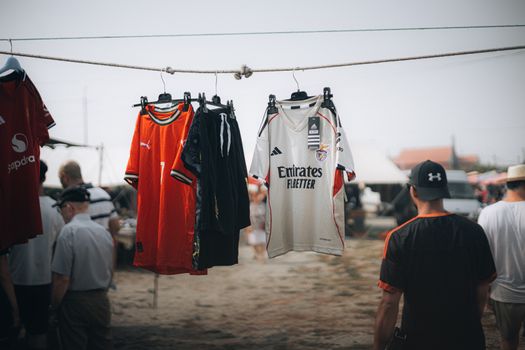
Football jerseys have always been central to team identity and fan culture, but their environmental impact often goes unnoticed. Traditionally made from polyester — a petroleum-based plastic — millions of football shirts are produced each year, contributing to global plastic pollution, microplastics in waterways, and high carbon emissions. As environmental consciousness grows, the sportswear industry faces mounting pressure to adopt greener practices. So, what are the true ecological alternatives to conventional football jerseys on the market, and how do they stack up in terms of performance, cost, and sustainability? Let’s explore the innovative approaches redefining what it means to wear your team colors sustainably.
The Environmental Problem with Traditional Football Jerseys
Before diving into the alternatives, it’s important to understand why the traditional football jersey is problematic from an ecological standpoint. The vast majority of modern football kits are crafted from virgin polyester. According to Textile Exchange, polyester accounts for 52% of all fiber production globally, with sportswear as a major driver. Producing one kilogram of virgin polyester emits about 9.52 kg of CO₂. For a single football jersey weighing 200 grams, that’s nearly 2 kg of carbon emissions per shirt.
Moreover, polyester is non-biodegradable, taking up to 200 years to decompose in landfills. Every wash releases microplastics — up to 700,000 fibers per wash, as revealed by a University of Plymouth study. With over 270 million footballers worldwide and countless fans buying replica kits every season, the cumulative environmental burden is staggering.
.png)
Recycled Polyester: Closing the Loop
The most widely adopted ecological alternative in recent years is recycled polyester, often labeled as rPET (recycled polyethylene terephthalate). Instead of using virgin petroleum, manufacturers melt down post-consumer plastic bottles and repurpose them into yarn. Major brands like Adidas, Nike, and Puma have all launched jerseys featuring recycled content.
For example, Adidas' 2022 FIFA World Cup kits were made from at least 50% recycled polyester. Nike claims that since 2010, it has diverted more than 7 billion plastic bottles from landfills for use in its football kits. Puma’s “First Mile” initiative also turns plastic waste collected in developing countries into performance apparel.
The environmental benefits are significant: producing recycled polyester uses 59% less energy and cuts carbon emissions by about 32% compared to virgin polyester (according to the Swiss Federal Office for the Environment). However, rPET does not stop microplastic shedding, and the recycling process itself has limitations in terms of chemical use and downcycling.
Organic and Regenerative Natural Fibers: Cotton, Hemp, and Beyond
Natural fibers have re-emerged as a promising alternative, particularly organic cotton and hemp. Unlike conventional cotton, organic cotton is grown without synthetic pesticides or fertilizers, reducing soil and water contamination. It uses up to 91% less water and produces 46% less CO₂, as reported by the Textile Exchange 2021 Organic Cotton Market Report.
Hemp, another ancient fiber, is fast-growing, requires minimal pesticides, and helps regenerate soil health. Hemp fibers are extremely durable and breathable, making them suitable for sportswear when blended with other fibers to enhance stretch and wicking properties.
Some smaller brands have begun producing limited-edition football jerseys using 100% organic cotton or hemp blends. Examples include the “EcoKit” initiative from UK-based company Ethletic and the “Green Goal” shirts distributed by grassroots clubs in Germany.
However, pure cotton and hemp jerseys may not match the moisture-wicking and lightweight characteristics of modern synthetic kits. They are best suited for training wear, casual fan shirts, or amateur leagues rather than top-tier professional play.
Innovative Bio-Based and Biodegradable Fabrics
A new frontier in sustainable sportswear involves bio-based synthetics and biodegradable materials. These fabrics aim to combine performance with minimal environmental impact at the end of life.
One notable example is PLA (polylactic acid), a bioplastic derived from renewable plant sources like corn starch or sugarcane. Companies such as Toray and NatureWorks are developing PLA fibers for athletic wear, which can be industrially composted after use. While not yet widespread in football kits, early prototypes show promise for balancing comfort and eco-friendliness.
Another innovation is Tencel (lyocell), made from sustainably sourced wood pulp. Tencel is fully biodegradable, uses closed-loop water systems, and is naturally antimicrobial. Some boutique brands have experimented with Tencel-blend jerseys for eco-conscious amateur teams.
Additionally, researchers are exploring algae-based and pineapple fiber (Piñatex) fabrics, though these are still in experimental phases for sportswear due to durability and scalability challenges.
Secondhand, Rental, and Circular Models
Beyond material innovation, rethinking the football jersey lifecycle can drive sustainability. Circular business models — such as renting, swapping, or reselling jerseys — extend product life and reduce the need for new production.
Platforms like Classic Football Shirts and Kitlocker have popularized vintage and pre-owned jerseys. Meanwhile, some clubs and startups offer rental schemes, allowing fans to wear official kits for a season before returning them for cleaning and reuse. This approach tackles waste and encourages fans to consider jerseys as shared resources rather than disposable fashion.
Clubs like Forest Green Rovers, hailed as “the world’s greenest football club,” combine recycled kits with take-back programs, ensuring old shirts are recycled or upcycled into new products, such as bags or insulation.
Comparing Ecological Alternatives to Traditional Football Jerseys
To make an informed decision, it’s helpful to compare the main ecological alternatives side by side with conventional jerseys. Below is a summary table of key factors:
| Jersey Material/Model | CO₂ Emissions (per shirt) | Water Use | Biodegradability | Performance | Cost (Retail) |
|---|---|---|---|---|---|
| Virgin Polyester | ~2 kg | Low | No | High | $70-120 |
| Recycled Polyester (rPET) | ~1.36 kg | Low | No | High | $75-130 |
| Organic Cotton | ~0.5 kg | Medium | Yes | Medium | $60-100 |
| Hemp Blend | ~0.4 kg | Low | Yes | Medium | $65-110 |
| Bio-based Synthetics (PLA/Tencel) | ~0.6 kg | Low | Yes (industrial composting) | Medium-High | $80-140 |
| Secondhand/Rental | Negligible (no new production) | Negligible | Varies | Varies | $20-80 |
As shown, each alternative comes with trade-offs. Recycled polyester offers incremental improvement, while natural fibers and innovative bioplastics present deeper ecological benefits but may sacrifice some performance or increase costs. Circular models, though less mainstream, offer the lowest environmental impact by leveraging existing jerseys.
Real-World Examples: Leading Clubs and Brands Pioneering Eco-Friendly Jerseys
Sustainability is no longer a niche concern. Several high-profile clubs have showcased ecological football jerseys:
- $1: Real Madrid, Manchester United, and Juventus have all worn special edition kits made with recycled ocean plastics. - $1: This English League Two club launched the world’s first football shirt made from a blend of bamboo and recycled plastic bottles, reducing chemical use and making the shirt 50% more biodegradable than standard polyester. - $1: Paris Saint-Germain and Liverpool’s recent kits feature at least 70% recycled polyester, reflecting Nike’s corporate climate goals. - $1: The Danish national team’s 2022 away shirt used 100% recycled polyester and was produced in factories running on renewable energy.These examples not only highlight technical feasibility but also the growing market demand for greener sportswear.
The Future of Sustainable Football Jerseys
While the industry has made strides, the journey toward truly ecological football jerseys is ongoing. Material innovation must be paired with changes in consumer behavior, regulatory support, and transparent supply chains. According to UEFA's 2023 Sustainability Report, only 11% of European professional clubs currently use sustainable kits, but this number is projected to double by 2026 as awareness and technology spread.
Research into closed-loop recycling (where old polyester jerseys are chemically recycled into new ones) and scalable bioplastics could further reduce the sport’s environmental footprint. Meanwhile, fan-driven demand for sustainable merchandise continues to rise, with a 32% increase in Google searches for “eco-friendly football shirts” between 2021 and 2023.
Fans, players, and clubs alike have a role to play in making the beautiful game greener — not just on matchdays, but for the planet’s future.