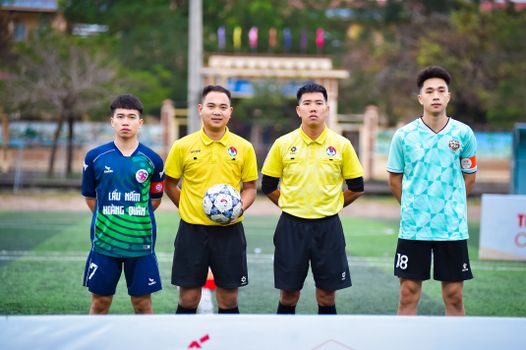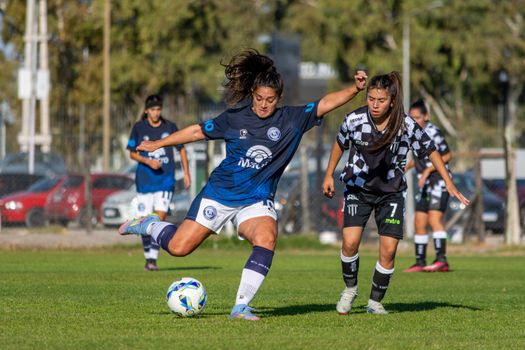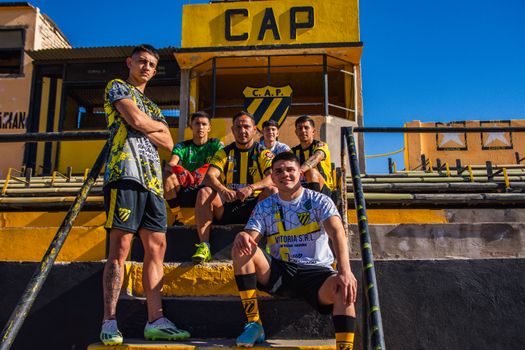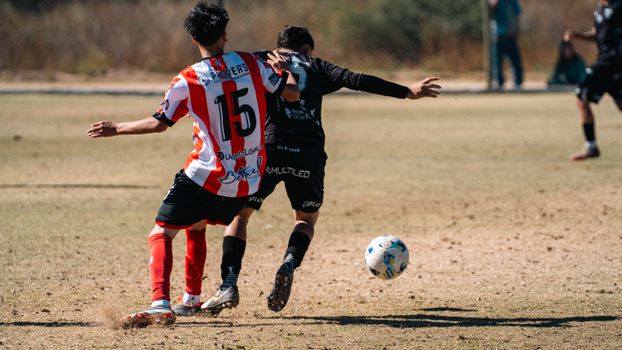
Selecting the right soccer jersey for children might seem straightforward, but it’s a decision with more complexity than many parents realize. The appeal of team colors, favorite players, or the latest trends often overshadows essential considerations that directly impact a child’s comfort, performance, and long-term enjoyment of the sport. Making the wrong choice can lead to unnecessary discomfort, wasted money, and even diminished enthusiasm for the game. In this guide, we’ll uncover the most common mistakes parents and guardians make when choosing a soccer jersey for children—and how you can avoid them to ensure your young player steps onto the field confident and comfortable.
Overlooking Proper Fit: Why Size Matters More Than You Think
One of the most frequent errors is selecting the wrong size. Unlike casual wear, a soccer jersey must fit correctly to support movement and comfort during rigorous activity. A jersey that's too large can catch on opponents or snag, while something too tight can restrict movement and cause chafing. According to a 2022 survey by Soccer Parenting Association, 47% of parents admitted buying a jersey “with room to grow,” only to find their child’s performance or enjoyment affected by poor fit.
Children’s body shapes and sizes vary significantly, and so do sizing charts between brands. Always refer to the manufacturer’s specific size guide and, when possible, try the jersey on before purchase. Avoid guessing based on age labels alone; for example, a “Youth Medium” in Adidas can be several centimeters different from a Nike “Youth Medium.” Pay attention to sleeve length, overall length, and neck opening, as children are particularly sensitive to anything tight or scratchy around the collar.
.png)
Ignoring Fabric Technology: The Hidden Impact on Comfort and Health
Not all soccer jerseys are created equal when it comes to materials. Many parents gravitate toward cheaper, generic polyester versions, assuming all synthetics perform similarly. However, advanced fabric technologies like Nike’s Dri-FIT or Adidas’ AEROREADY help wick sweat away from the body and keep young players cool. According to a 2023 report by Textile World, jerseys with moisture-wicking capabilities can reduce skin temperature by up to 2°C during matches compared to basic polyester blends.
Additionally, lower-quality fabrics can cause skin irritation or allergic reactions in sensitive children. Some cheap jerseys may use dyes or finishes that aren’t skin-friendly. Always check for certifications such as OEKO-TEX Standard 100, which guarantees the fabric is free from harmful substances.
Underestimating the Importance of Authenticity and Safety
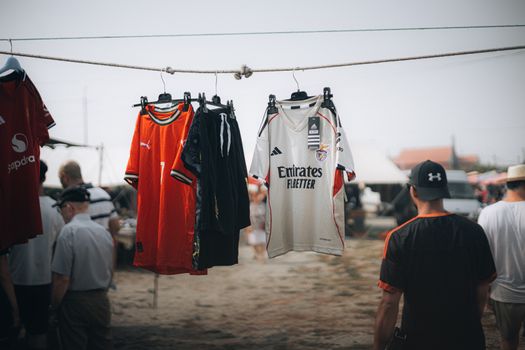
With the rise of online shopping, counterfeit soccer jerseys have flooded the market. The temptation to purchase a bargain version of a popular team’s kit is understandable, but fake jerseys often fail basic safety standards. In 2021, the European Consumer Organisation (BEUC) reported that 38% of counterfeit sportswear items tested contained dangerously high levels of chemicals such as phthalates and azo dyes—substances linked to skin irritation and long-term health risks.
Authentic or officially licensed jerseys are manufactured under strict safety and quality controls, reducing these risks. They are also more durable, with reinforced seams and quality stitching, which is critical for the rough-and-tumble play of youth soccer. While genuine jerseys can be pricier, the investment in safety and longevity outweighs the risks and costs of replacements.
Focusing Only on Style: Forgetting Team Rules and Personalization Limits
Children naturally want to emulate their heroes, often requesting jerseys emblazoned with the latest superstar or flashy design. However, local clubs or leagues frequently have strict uniform policies regarding color, logos, and personalization. Purchasing a jersey that doesn’t comply with team guidelines can result in your child being unable to wear it in matches, leading to disappointment—and wasted money.
Furthermore, while adding a child’s name or favorite number is a fun touch, some leagues restrict alterations to prevent confusion or maintain uniformity. Before making customizations, always check with the club or coach to avoid expensive mistakes.
Neglecting Long-Term Value: Growth, Durability, and Environmental Impact
Soccer jerseys for children must withstand frequent use, rough play, and regular washing. Cheaper options may fade, tear, or lose shape quickly, especially if the child plays several times a week. According to a 2020 study by Good On You, 60% of parents reported having to replace a low-cost jersey within a single season due to wear and tear.
Additionally, children grow rapidly. While buying a slightly larger size is tempting, as mentioned earlier, an ill-fitting jersey can hinder performance. Some brands now offer "grow-with-me" features, such as adjustable hems or stretch panels, that extend the garment's usable life without compromising fit.
Finally, environmental consciousness is increasingly important. Many top brands now use recycled materials. For example, in 2024, over 75% of Adidas’ soccer jerseys were produced using recycled polyester, reducing carbon emissions by up to 30% compared to virgin materials. Consider the impact of your purchase—not just for your child, but for the planet they will inherit.
Comparing Key Features: Authentic vs. Replica vs. Generic Jerseys
To make an informed choice, it’s essential to understand the differences between authentic, replica, and generic soccer jerseys. The table below outlines the key distinctions:
| Feature | Authentic Jersey | Replica Jersey | Generic Jersey |
|---|---|---|---|
| Material Quality | Highest (often with advanced fabric technology) | High (good quality, but fewer features) | Variable (often lower-grade polyester) |
| Fit | Player-fit (slimmer, athletic cut) | Fan-fit (looser, more comfortable for casual wear) | Inconsistent (may not follow standard sizing) |
| Durability | Excellent (strong stitching, reinforced seams) | Good (suitable for moderate use) | Poor to moderate (may tear or fade quickly) |
| Safety Standards | Strict (certified, safe dyes and finishes) | Usually certified | Often uncertified (risk of harmful chemicals) |
| Price Range (USD) | $70-130 | $40-80 | $10-40 |
| Environmental Impact | Often made from recycled materials | Increasingly eco-friendly | Unknown or less eco-conscious |
This comparison highlights that while authentic and replica jerseys may cost more, they provide significant benefits in terms of comfort, safety, and sustainability—key factors for children’s sportswear.
Final Thoughts: Making the Right Choice for Your Young Soccer Player
Choosing a soccer jersey for children goes far beyond picking a favorite color or team. By paying close attention to fit, fabric technology, authenticity, compliance with team rules, and long-term value, you’ll avoid the most common pitfalls that lead to discomfort, wasted money, or even health risks. Remember that a well-chosen jersey can boost your child’s confidence and enjoyment of the game, while a poor choice can have the opposite effect.
Involve your child in the selection process, but guide them with practical considerations. Look beyond the initial excitement of flashy designs and ensure the jersey will support their development, both on and off the field. The right soccer jersey is an investment in your child’s comfort, safety, and love for the sport—so make it wisely.