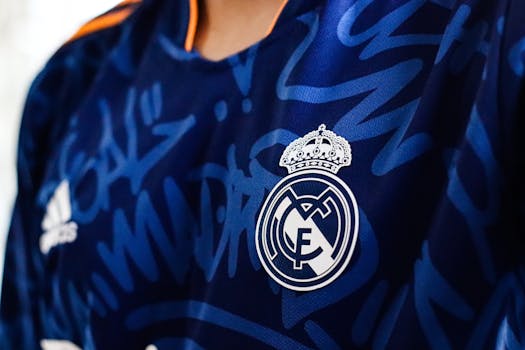
The Impact of Football Jersey Sponsorship Deals on Team Finance
Football isn't just a game; it's a massive global business where finance plays a critical role, particularly through jersey sponsorship deals. These deals, which see companies' logos emblazoned on team jerseys, are more than just marketing tactics—they are vital financial lifelines for many clubs. But what exactly is the impact of these sponsorships on team finances? Let’s dive into the intricate world of football finance to understand how these agreements shape the economic landscape of football teams.
The Scale of Jersey Sponsorship Deals
.png)
Jersey sponsorship deals can vary greatly in terms of scale and scope. For top football clubs like Manchester United, Barcelona, or Real Madrid, these deals can be worth tens of millions of dollars annually. For example, Chevrolet’s deal with Manchester United was reportedly worth around $80 million per year. Such substantial sums can significantly impact a club's financial health, providing the resources needed to buy new players, improve stadium facilities, and enhance day-to-day operations.
Revenue Generation
The primary impact of jersey sponsorships is direct revenue generation. This income is crucial, especially for clubs that might not have substantial gate receipts or lucrative broadcast deals. It is a guaranteed revenue stream that can often be counted on for long-term financial planning. For instance, smaller clubs in less popular leagues often rely heavily on sponsorship deals as they might not attract the same level of TV broadcast rights or merchandise sales as their more illustrious counterparts.
Branding and Visibility
Beyond direct financial impact, jersey sponsorships also play a crucial role in branding. A sponsor’s logo on a team’s jersey increases the brand's visibility every time the team plays, and this effect is magnified in high-stakes games watched by millions worldwide. This visibility often translates into a ripple effect where the team's brand—alongside the sponsor's—gets global recognition, potentially leading to more fans and, subsequently, more revenue from merchandise sales and international tours.
Attracting Further Investments
A robust sponsorship deal not only provides immediate financial relief but also signals to other potential sponsors and investors that the club is a valuable entity with which to align. This can lead to additional sponsorship deals, including naming rights to stadiums, training kits, and other club-related paraphernalia, creating multiple revenue streams for the club.
Impact on Transfer Budgets and Player Salaries
The financial health bolstered by sponsorship deals directly impacts a club's ability to compete on the field. Clubs with higher revenues from sponsorships can afford to invest in better players, offer competitive salaries, and maintain a high-quality squad. This competitive edge is crucial, especially in top leagues where the difference between the champion and the rest can hinge on the quality of the players.
Long-term Financial Stability
Sponsorship deals are often signed for multiple years, ensuring a steady flow of income over a longer period. This stability allows clubs to plan for the future with more certainty, investing in long-term projects like youth academies and infrastructure. For example, Bayern Munich’s long-term deal with Deutsche Telekom has been instrumental in the club’s ongoing financial and sporting success.
Challenges and Considerations
However, reliance on jersey sponsorship deals also comes with challenges. Changes in the economic landscape, such as a recession, can affect sponsors' ability to pay, potentially leading to renegotiations or cancellations of deals. Moreover, clubs must balance maintaining a brand that aligns with their values and those of their sponsors, which can sometimes lead to conflicts if a sponsor acts contrary to the club’s ethos or its fans' expectations.
Conclusion
In conclusion, football jersey sponsorship deals are a cornerstone of modern football finance. They provide essential revenue, enhance branding, attract further investments, and ensure long-term financial stability. However, like any significant business agreement, they require careful management and strategic planning to maximize benefits while minimizing potential risks. As the sports industry continues to evolve, so too will the dynamics of sponsorship in football, further influencing the financial health and success of teams around the globe.