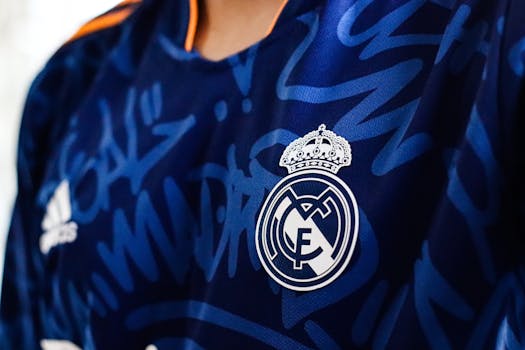
Football jerseys, once simple team attire, have evolved into a multi-billion-dollar global industry. This transformation is rooted deeply in the sport's growing popularity and the strategic commercialization of the jerseys. Here's a detailed look into how football jerseys became such a lucrative market.
Origins and Evolution
Initially, football jerseys served the basic purpose of distinguishing players on the pitch. Made from materials like cotton, these early jerseys were primarily functional. As football became more popular, the jerseys started to embody team pride and identity, turning them into essential sports merchandise.
.png)
The Commercial Turning Point
The late 20th century marked a significant shift with the commercialization of football, spurred by global broadcasting and the advent of television. This exposure made team jerseys highly visible and desirable, prompting clubs and manufacturers to sell replica jerseys to fans. These replicas, made from advanced synthetic materials, offered fans both comfort and a tangible connection to their favorite teams and players.
Marketing and Globalization
With the globalization of football, particularly through events like the FIFA World Cup and UEFA Champions League, the demand for jerseys saw a substantial increase. Football clubs and apparel companies capitalized on this by entering strategic sponsorships and partnerships, where a sponsor’s logo on a jersey equated to market-wide visibility.
Online Retail and Accessibility
The rise of e-commerce has significantly boosted the jersey market. Fans worldwide can now purchase authentic jerseys from the comfort of their homes, thanks to official club stores and online sports retailers. This accessibility has broadened the market, reaching fans in remote locations and thereby boosting sales.
Fashion and Lifestyle Appeal
Football jerseys have transcended their sporty origins to become fashionable lifestyle apparel. Limited edition releases and collaborations with high-profile fashion designers have made jerseys appealing even to non-sports enthusiasts. This fashion-forward approach has opened up new revenue streams, transforming jerseys into a stylish, everyday clothing option.
The Collectibles Market
Another lucrative aspect of the jersey market is collectibles. Vintage jerseys, especially those linked to notable matches or legendary players, are highly coveted. Their rarity and historic significance make them valuable collectibles, appealing to both sports fans and collectors alike.
Conclusion
The billion-dollar industry of football jerseys is a testament to the sport's expansive appeal and the strategic marketing that has accompanied its growth. From being mere sportswear to becoming a symbol of loyalty and fashion, football jerseys have captured the hearts of fans around the globe, promising continued growth in this dynamic market. As football maintains its status as a beloved global sport, the jersey market is poised to expand even further, driven by innovative marketing and the ever-increasing reach of this universal sport.