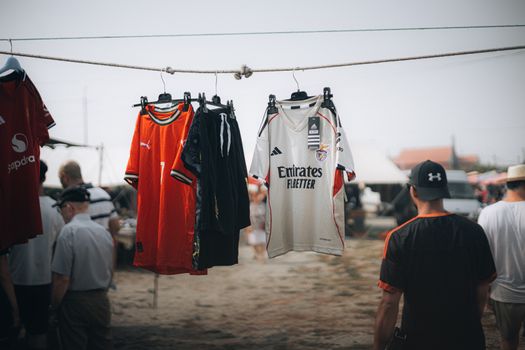
Selecting the right size soccer jersey isn’t just about comfort—it’s about performance, confidence, and ensuring that both adults and children can make the most out of their playing or spectating experience. With more teams, brands, and styles on the market than ever before, picking the correct fit can feel overwhelming. Whether you’re shopping for a child just starting in a youth league or an adult fan supporting their favorite club, understanding how to properly choose the size of a soccer jersey is essential. This article will break down everything you need to know, from measurement techniques to international sizing differences, fit preferences, and the impact of materials on sizing.
The Importance of Correct Soccer Jersey Sizing
Wearing the right size soccer jersey goes beyond just looking good; it affects your ability to move freely, your comfort during play, and even your self-esteem on and off the field. According to a study by the American College of Sports Medicine, ill-fitting sportswear can reduce athletic performance by up to 15% due to restriction and discomfort. For younger players, the correct jersey size can encourage participation and prevent the kind of distraction that comes with constantly adjusting ill-fitting clothing.
Jerseys that are too tight can restrict movement and cause overheating, while those that are too loose can snag or distract players. For fans, the right fit means better comfort during long matches and a more flattering look. The stakes are even higher for children, as kids grow quickly and need jerseys that allow for some ‘growing room’ without being overly baggy.
.png)
Understanding Soccer Jersey Sizing Systems
One of the most confusing aspects of buying a soccer jersey is navigating the various sizing systems used by different brands and regions. Soccer jerseys are typically sized using either the standard Small (S), Medium (M), Large (L), Extra-Large (XL) system or numeric sizes, which are common in Europe (e.g., 38, 40, 42). For children, sizes often correspond to age ranges (e.g., 6-7 years, 8-9 years), but this can vary widely between manufacturers.
Here’s a comparative table highlighting common sizing conventions:
| Region/Brand | Adult Size Example | Child Size Example |
|---|---|---|
| US/UK Standard | S, M, L, XL, XXL | YS (Youth Small), YM, YL, YXL |
| European Numeric | 40, 42, 44, 46 | 116, 128, 140, 152 (height in cm) |
| Asian Sizing | M, L, XL, XXL (runs smaller than US sizes) | 110, 120, 130, 140 (height in cm) |
Statistics show that nearly 70% of online jersey returns are due to sizing issues, often caused by confusion between these different systems. Always consult the brand’s specific size chart before buying, especially since a US Large can be significantly different from a European Large.
How to Accurately Measure for a Soccer Jersey
The best way to ensure a perfect fit is to take accurate measurements. Here are the key steps:
1. $1: Use a flexible tape measure around the fullest part of the chest, under the arms. For adults, keep arms relaxed at your sides. For children, make sure they stand naturally. 2. $1: Measure around the narrowest part of the waist. This is less critical for soccer jerseys, as most are designed to fit loosely at the waist. 3. $1: Measure from the top of the shoulder, near the neck, down to the point you want the jersey to end—typically just below the hips. 4. $1: Particularly for children’s jerseys, some brands use height as a key sizing factor. Stand straight and measure from the top of the head to the floor.Pro tip: Always measure over light clothing and keep the tape snug but not tight. If you’re between sizes, consider your fit preference—looser for casual wear, or more fitted for on-field play.
Fit Preferences: Slim, Regular, and Loose Jerseys
Soccer jersey fits can vary significantly, and selecting the right style is as important as choosing the correct size. The three main fits are:
- $1: Designed to hug the body, often used by professional players for less wind resistance and better moisture wicking. Best for athletic builds and those who want a modern, tailored look. - $1: The most common choice for both adults and children, offering a balance between style and comfort. Allows for layering but isn’t overly baggy. - $1: Generally chosen for casual wear or for those who prefer maximum comfort and freedom of movement.When choosing a fit, consider when and how the jersey will be used. For kids, regular fit offers the most flexibility, especially if the child is still growing. Adults may prefer a slim fit for playing and a loose fit for watching matches.
Material Matters: How Fabric Affects Soccer Jersey Sizing
Soccer jerseys are made from various materials, each affecting how the jersey fits and feels. Modern jerseys are typically crafted from polyester blends that offer moisture-wicking properties and slight stretch. However, not all fabrics behave the same way:
- $1: Standard for most replica jerseys. Holds its shape well but offers little stretch. If you’re on the border between sizes, size up for comfort. - $1: Found in ‘player issue’ or ‘authentic’ jerseys. These offer a snugger fit and some stretch, making them more forgiving if you’re between sizes. - $1: Older or heritage jerseys may use cotton, which shrinks after washing. Always buy a size up if you opt for these styles.According to FIFA regulations, professional player jerseys are designed with high-performance materials that can absorb up to 7% of their weight in moisture without feeling wet. However, fan versions may not use the same cutting-edge technology, impacting both fit and comfort.
Special Considerations for Children’s Soccer Jerseys
Children’s sizing needs differ from adults in several important ways. Kids grow quickly, so parents often face the dilemma of buying a jersey that fits now or one that will last into the next season. Here are some tips:
- $1: Choose a jersey with a little extra length or width, but avoid going more than one size up to prevent excessive bagginess. - $1: Some youth leagues have strict uniform requirements regarding jersey fit and sleeve length, so check before purchasing. - $1: If adding a name or number, ensure the jersey isn’t too tight, as this can distort the print over time.A 2022 survey by the National Sporting Goods Association found that 60% of parents buy at least one size up for their child, but 40% reported that the jersey became uncomfortably large before the child grew into it. Striking a balance is key: aim for a fit that accommodates a growth spurt but still looks and feels right today.
Online vs. In-Store: Best Practices for Buying Soccer Jerseys
The rise of online shopping gives you access to more teams and brands, but it also increases the risk of getting the wrong size. Here’s how to minimize returns and frustration whether shopping online or in-store:
- $1: Look for stores that offer easy returns or exchanges in case the jersey doesn’t fit. - $1: Other buyers often share if a jersey runs small, large, or true to size. - $1: If possible, visit a store to try on a similar model or brand to get a sense of fit. - $1: Always use the size chart provided by the manufacturer, as sizing can vary widely between brands and even between different jersey models from the same brand. - $1: Decide if the jersey is for playing soccer, cheering in the stands, or casual wear, as this will influence your sizing and fit preference.A 2023 report from Statista indicated that 52% of all soccer jersey sales now occur online, with fit issues being the number one reason for returns. Taking the time to check all available resources before purchasing can save time and money.
Final Thoughts on Choosing the Right Soccer Jersey Size
Finding the perfect soccer jersey size doesn’t have to be daunting. By understanding sizing systems, taking accurate measurements, factoring in fit preferences, and considering material properties, you can confidently select a jersey that looks great and feels even better. For both adults and children, the right fit means more comfort, better performance, and a more enjoyable experience, whether you’re on the pitch or in the stands.
With so many brands, styles, and sizing conventions out there, a little research and preparation go a long way. Remember: when in doubt, consult the size chart, read reviews, and don’t hesitate to reach out to customer service for advice. With the right approach, you’ll be ready to wear your colors with pride—no matter your age or team.