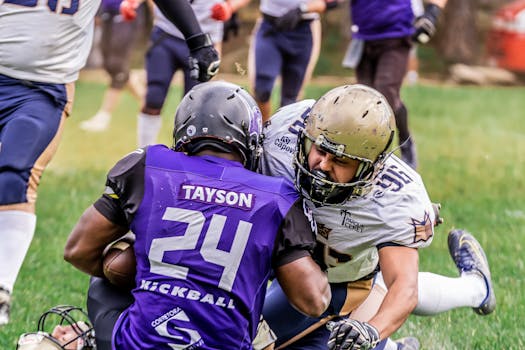
Choosing the right fabric for football jerseys is crucial to ensure players perform optimally on the field. This decision goes beyond mere aesthetics, diving deep into material science and innovative fabric technologies. Modern football jerseys must be durable, comfortable, and capable of managing the players' body temperature and moisture. This article delves into the primary considerations in fabric selection, including material type, breathability, moisture-wicking properties, and durability.
Material Type
Modern football jerseys predominantly utilize synthetic fibers such as polyester and nylon, sometimes alone or blended to harness the best attributes of each material. Polyester is particularly prized for its resilience, excellent color retention, and resistance to shrinking and stretching, making it a staple in sports apparel. Nylon, though less prevalent, is treasured for its softness and elasticity, enhancing comfort and flexibility during intense physical activity. Blends of synthetic fibers are engineered to optimize functionality and comfort, tailored to the rigorous demands of football.
.png)
Breathability
In sports apparel, breathability is crucial. It refers to the fabric’s ability to permit air circulation, facilitating temperature regulation and keeping the athlete cool and dry. Modern weaving techniques and the use of microfiber materials enable the production of jerseys that are not only breathable but also durable and robust, suitable for the physical demands of football.
Moisture-Wicking Properties
Moisture-wicking technologies are central to modern sports fabrics. This feature utilizes advanced fibers designed to draw moisture away from the skin, pushing it to the jersey's exterior where it can evaporate swiftly. This capability ensures that players remain dry and comfortable, preventing the issues associated with excessive sweat, such as overheating or skin irritation.
Durability
The physical nature of football means jerseys must endure considerable wear and tear. Fabrics need to be tough enough to resist tearing and abrasion and maintain their form and color after repeated washing. High-quality synthetic materials are typically employed to ensure the longevity of the jerseys, which is essential for both professional teams and amateur players who need durable, long-lasting gear.
Environmental and Economic Considerations
The environmental impact of sports apparel production has come under scrutiny, leading to an increased use of eco-friendly materials like recycled polyester. These sustainable options aim to reduce the environmental footprint while still delivering the performance characteristics expected of high-quality sports fabrics. Additionally, the cost of materials can significantly influence the affordability of jerseys. Manufacturers strive to balance quality with cost-efficiency, especially important for teams with stringent budget constraints.
Conclusion
The selection of fabrics for football jerseys is a complex process influenced by factors such as material type, breathability, moisture-wicking capabilities, and durability. Ongoing advances in fabric technology continually enhance the performance and comfort of sports apparel, catering to the demanding conditions of football. Looking ahead, the emphasis on sustainability and cost-effectiveness will likely grow, steering future innovations in jersey fabric technology.